




A Landmark Shift in Conservation
In a first for any Indian state, the Kerala State Biodiversity Board (KSBB) has launched a Red List Assessment of Ecosystems. This initiative marks a fundamental shift in conservation strategy. For decades, preservation efforts have primarily focused
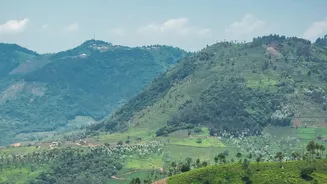
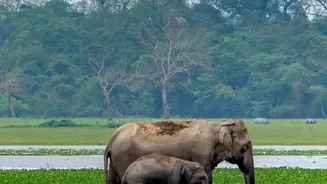
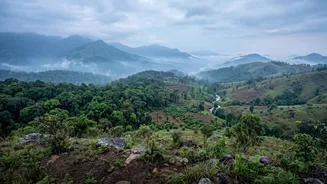
on protecting individual, often charismatic, species like the Nilgiri Tahr or the lion-tailed macaque. This new approach, however, moves beyond saving single species to assessing the health and collapse risk of entire ecosystems, from high-altitude grasslands to coastal mangroves. By applying the global standards of the International Union for Conservation of Nature (IUCN) Red List of Ecosystems, Kerala aims to create a scientific baseline to measure the true extent of environmental degradation across all 14 districts.
Understanding the New Risk Index
The core of the study is the use of the IUCN's risk assessment framework. This isn't just about counting what's left; it’s a systematic evaluation based on five specific criteria that measure the danger of an ecosystem collapsing. These criteria analyse factors like the historical loss of habitat area, the degradation of ecological processes (such as water cycles or soil health), and the fragmentation of natural landscapes. The result is a classification system, similar to the one used for endangered species, that labels ecosystems as 'Vulnerable', 'Endangered', or 'Critically Endangered'. This provides a clear, science-backed measure of which natural systems are closest to a point of no return. The one-year project is being jointly executed by the Kerala Forest Research Institute and the Centre for Ecology, Taxonomy, Conservation and Climate Change at MES Asmabi College.
What the Early Findings Reveal
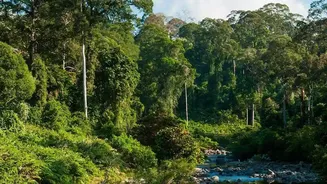
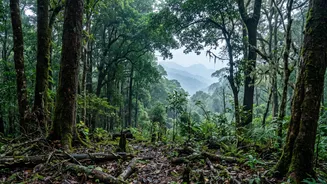
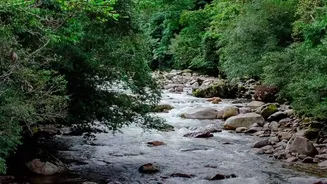
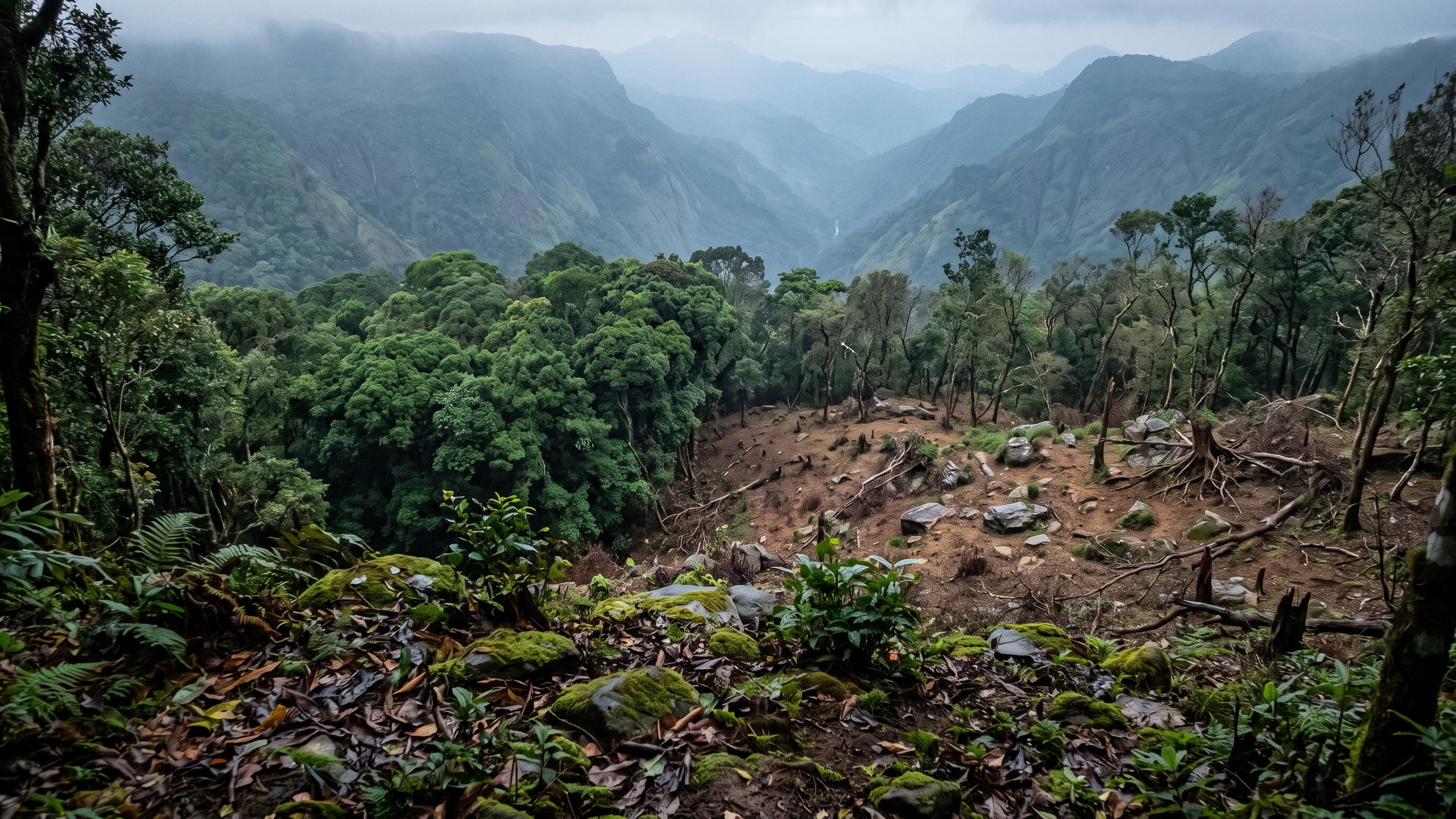
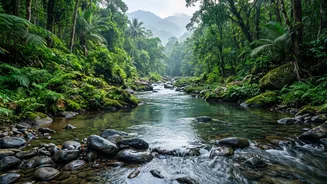
The urgency of this new assessment is underscored by alarming data. For instance, Kerala’s tropical riparian evergreen forests, vital corridors of life in the southern Western Ghats, have lost a staggering 83% of their area over the last century. Driven by dam construction, the spread of invasive plantations, and intensifying climate events, these forests are now considered Critically Endangered and face potential collapse within the next 20 to 40 years. Other unique habitats are also in peril. Delicate myristica swamps, high-altitude shola-grassland mosaics, and coastal mangroves are under severe threat from unchecked urban expansion and rising sea levels. Furthermore, invasive alien species, like Lantana camara in forests and Mozambique tilapia in rivers, are disrupting ecosystems by outcompeting native species.
From Data to Grassroots Action
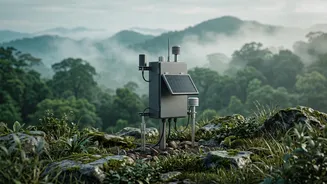
The true innovation of this project lies in its application. The goal isn't just to produce another academic report, but to create practical tools for on-ground management. The findings will be used to generate an official Ecosystem Risk Register, an Ecosystem Typology Atlas, and ecorestoration priority maps. Crucially, this information will be integrated into state planning portals, making it directly accessible to local Biodiversity Management Committees (BMCs) and panchayats. By empowering local bodies with clear, actionable data, authorities can better design sustainable development projects, reinforce natural defences against floods and landslides, and implement nature-based solutions tailored to their specific environment. This decentralised approach aims to embed scientific evidence into local governance, giving communities the power to lead restoration efforts.