





The Foundation: Seasoning Before You Cook
Great flavour begins before your ingredients even hit the heat. For proteins like steaks, chicken, and pork, salting well in advance is a transformative step known as dry brining. When you salt meat, osmosis initially draws moisture to the surface. The
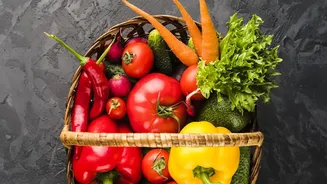
salt then dissolves in this liquid, creating a brine that is reabsorbed into the meat, seasoning it from the inside out. This process not only flavours the protein thoroughly but also denatures its proteins, helping it retain more moisture during cooking for a juicier result. For a thick steak or chop, salting an hour beforehand is effective; for a large roast, you can salt it up to 24 hours in advance. With vegetables destined for roasting, tossing them with salt and spices before they go into the oven allows the seasonings to penetrate as they cook, creating a richer, more uniform flavour compared to just seasoning at the end.
Building Flavour: Seasoning During Cooking
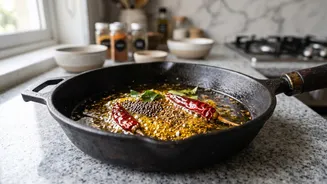
The middle of the cooking process is where you build the core body of your dish's flavour, especially in slow-cooked meals like soups, stews, and sauces. As these dishes simmer, the flavours meld and become more subtle. This is the ideal time to add dried herbs, as they need time and liquid to rehydrate and release their concentrated flavours. Hardy, woody herbs like rosemary and thyme also benefit from being added early, as their robust oils need time to infuse the dish. Professional chefs talk about building flavours in layers, and this is the stage to do it. Add your base seasonings early, then taste as you go. A sauce that is simmering will reduce, concentrating the saltiness, so it's wise to season moderately at the start and adjust later. Blooming spices—briefly frying them in hot oil until fragrant—before adding liquids is another professional trick that unlocks their aromatic compounds, making them far more potent.
The Final Flourish: Seasoning at the End
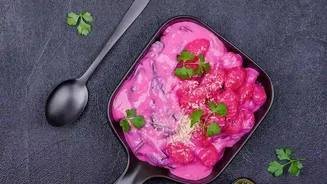
The final moments before serving are your last opportunity to make a dish truly sing. This stage is all about adding bright, fresh, and aromatic notes that would be lost in a long cooking process. Delicate, soft herbs like parsley, cilantro, dill, and basil should be stirred in right at the end or used as a garnish. Their fresh, vibrant character is volatile and quickly diminishes with heat. A final squeeze of lemon or a splash of vinegar can add a much-needed acidic brightness that balances richness. This is also the perfect moment for a 'finishing salt'. These are coarse, flaky salts prized for their texture and clean flavour. Sprinkled over a finished dish, they provide a delightful crunch and a burst of pure saltiness that enhances the food without simply making it saltier.
Knowing Your Herbs and Spices
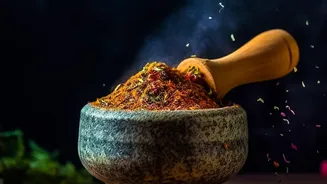
Not all seasonings are created equal, and their form dictates their timing. Dried herbs have a more concentrated, earthy flavour and should be added early in cooking to allow them to fully infuse the dish. A good rule of thumb is to use one teaspoon of dried herbs for every tablespoon of fresh herbs a recipe calls for. Fresh herbs are split into two groups: hardy and soft. Hardy herbs like rosemary, thyme, and sage can withstand longer cooking times and can be added in the middle of the process. Soft, leafy herbs like parsley, basil, and mint have delicate flavours that are easily destroyed by heat, so they should always be added in the last minute or two of cooking, or even off the heat entirely. Understanding this distinction ensures you get the most out of every herb, preserving the brightness of fresh varieties while unlocking the deep notes of the dried ones.