









Start with Your 'Why': Define Your Goal
Before diving into brochures and websites, clarify what you want to achieve. Is the primary goal pure fun and a relaxed social experience? Or is it about learning a tangible new skill together, fostering collaboration through a hands-on task?. Some teams
need a simple, light-hearted activity, making a basic brewing and tasting session ideal. Others might thrive on a more technical challenge, like mastering a specific method such as the AeroPress or a pour-over. Defining your objective—whether it's boosting morale, encouraging communication, or simply enjoying a great cup of coffee—will guide every other decision.
Logistics: Group Size, Location, and Duration
Practical considerations are paramount. First, confirm the group size. A workshop that’s perfect for ten people might be chaotic for thirty. Ask providers about their ideal and maximum capacities to ensure everyone gets hands-on attention. Next, decide on location. Many coffee roasters in cities like Bengaluru, Mumbai, and Delhi offer classes at their own dedicated training labs. Alternatively, some providers can bring the entire setup to your office, which can be more convenient. Finally, consider the duration. A session can range from a quick 60-minute tasting to a more immersive three-hour workshop. Choose a length that fits your team's schedule and attention span without feeling rushed.
Curriculum: What Will You Actually Brew and Learn?
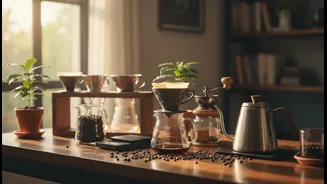
Not all brewing classes are created equal. Check the curriculum to see which manual methods are covered. Popular options in India include the French Press, Pour-Over (like the V60), AeroPress, and even the traditional South Indian filter. A good class will not just demonstrate but will provide hands-on experience where each team member gets to grind beans, handle the equipment, and brew their own coffee. Look for workshops that cover the fundamentals of brewing, such as grind size, water temperature, and brew time, as these are the variables that control a coffee's final taste. Some classes also include a 'cupping' or tasting component, where you learn to identify different flavour notes like fruity, nutty, or chocolatey.
The Instructor: Expertise and Engagement
The person leading the workshop can make or break the experience. A great instructor is not just a skilled barista but also an engaging teacher. They should be able to explain complex concepts in a simple, accessible way and create a fun, welcoming atmosphere. Look for instructors with professional certifications or extensive experience in the specialty coffee industry. Don’t hesitate to ask about the instructor's background and teaching style. A passionate and knowledgeable guide will ensure your team leaves feeling inspired and caffeinated, not confused.
Customisation and Inclusions: The Extra Perks
To make the event truly special, inquire about customisation. Can the provider incorporate your company's branding? Can they tailor the coffee selection to specific preferences? Some workshops offer add-ons like snacks that pair with coffee, or even a mini latte art competition to cap off the session. Also, clarify what's included in the price. Does it cover all the coffee, equipment usage, and any take-home goodies? Many premium workshops provide a small bag of the coffee beans used in the class for each participant to take home, which is a fantastic memento of the day.
Check Reviews and Ask for Corporate References
Finally, do your due diligence. Read online reviews from previous participants, paying close attention to feedback from other corporate groups. If possible, ask the provider for references from past corporate clients. Speaking to another company that has used their service for a team-building event will give you the most honest and relevant insight into what you can expect. This step helps verify the provider's claims and ensures there are no surprises on the day of your event.