




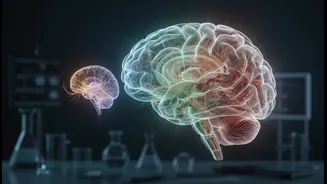


The Brain's Unsung Workhorse
For the longest time, the cerebellum—a densely folded structure at the back of your skull meaning 'little brain' in Latin—had a straightforward, if unglamorous, job description. It was seen as the master coordinator of voluntary movement, balance, and
posture. Think of learning to ride a bicycle or typing on a keyboard without looking; that’s the cerebellum at work, refining motor skills until they become second nature. This traditional view was built on solid evidence: patients with cerebellar damage often struggle with coordination, balance, and fine motor tasks, a condition known as ataxia. Because of this, medical science understandably filed it under 'motor control' and focused most attention on the larger cerebrum for understanding higher-level functions. This assumption shaped everything, from neurology textbooks to the way surgeons approached operations in that area of the brain.
A Revolution in Understanding
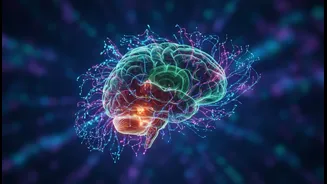
Over the past few decades, a wave of new evidence from anatomical studies, and especially functional magnetic resonance imaging (fMRI), has shattered the 'motor-only' assumption. Scientists can now see the cerebellum light up during tasks that have nothing to do with movement. These include language processing, problem-solving, paying attention, and even regulating emotions like fear and pleasure. It turns out the cerebellum is intricately connected to parts of the cerebrum responsible for these advanced cognitive and emotional processes. This has led to the development of the 'cerebellar cognitive affective syndrome' (CCAS), a term describing a range of non-motor deficits—like impaired executive function and personality changes—that can occur after cerebellar injury. Far from being just a coordinator of muscles, the cerebellum appears to be a universal processor that refines both physical actions and streams of thought.
Rewriting the Neurological Map
This expanded understanding has profound implications. If the cerebellum is involved in cognition and emotion, then conditions like autism spectrum disorders, schizophrenia, and even anxiety might have a cerebellar component. Researchers have found anatomical differences in the cerebellum of individuals with these conditions, suggesting its dysfunction could be a contributing factor. This paradigm shift forces us to look at the brain as a much more integrated network. The cerebellum's role seems to be to act as a quality control system, not just for movement but for our mental and emotional lives, ensuring our responses are appropriate and well-timed. For example, it might help smooth out social interactions or focus our thoughts, much like it smooths out our gait when we walk. This reframes our view of many neurological and psychiatric disorders, opening new avenues for research and diagnosis.
New Frontiers in the Operating Theatre
The most immediate practical application of this new knowledge is in the field of neurosurgery. When operating on cerebellar tumors or treating conditions like stroke or hemorrhage in the area, surgeons historically focused on preserving motor function. Now, there is a crucial awareness that even a 'perfect' surgery from a motor perspective could have devastating, unseen consequences on a patient's personality, language ability, or executive function. This knowledge transforms surgical planning. Surgeons must now consider the functional anatomy of the cerebellum, identifying and preserving not just motor pathways but also the intricate circuits connected to cognitive and emotional centers in the brain. Minimally invasive techniques and advanced neuromonitoring are becoming even more critical to avoid long-term neuropsychological deficits. This also opens a speculative but exciting future possibility: could targeted, non-invasive cerebellar stimulation one day be used to treat cognitive or mood disorders, essentially 'tuning up' the brain's master coordinator?