





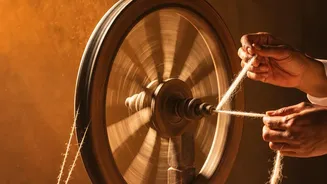

The Seeds of an Industrial Giant
The story of Coimbatore's textile dominance begins not with factories, but with its geography. The region's black cotton soil, moderate climate, and the presence of the Noyyal River created the perfect conditions for cultivating high-quality cotton. For
centuries, this area, part of the historic Kongu Nadu region, was known for cotton farming. Early records show that weavers here had mastered the art of dyeing, producing fabrics known for their vibrant and lasting colours. This natural advantage laid the foundation, attracting early interest from traders and, eventually, the British, who saw the potential for a large-scale textile operation.
The Dawn of the Mill Era
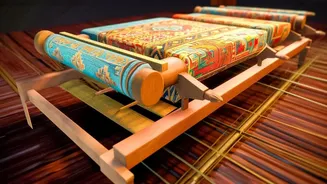
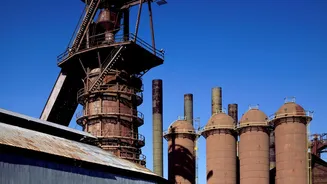
The industrial revolution arrived in Coimbatore in the late 19th century. The pivotal moment came in 1888 with the establishment of the Coimbatore Spinning and Weaving Mills, popularly known as Stanes Mill, by the pioneering entrepreneur Sir Robert Stanes. This marked the shift from traditional handlooms to mechanised production. The real boom, however, occurred in the 1920s and 1930s. A key catalyst was the arrival of hydroelectric power from the Pykara project in the early 1930s, which made operating the machinery more efficient and affordable, leading to a proliferation of new mills. Indian entrepreneurs like the PSG Brothers and G. Kuppuswamy Naidu, who founded the iconic Lakshmi Mills in 1910, were instrumental in this growth, transforming the city's landscape.
Earning the 'Manchester' Moniker
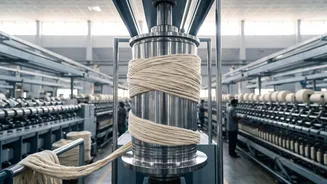
So, why 'Manchester'? During the Industrial Revolution, Manchester in the UK was the global epicentre of the cotton textile industry. As Coimbatore's skyline became dotted with mills and its economy became powered by spinning and weaving, the comparison was natural. The city became a powerhouse for producing yarn, distinguishing itself by manufacturing high-quality, superfine yarns that set it apart from other Indian textile centres. By the mid-20th century, with organisations like the Southern India Mills' Association (SIMA) established in 1933 to guide the industry, Coimbatore had firmly cemented its reputation as the textile capital of the South.
From Spinning Hub to Integrated Ecosystem
For decades, Coimbatore's strength was primarily in spinning yarn, which was then supplied to other weaving centres like Tiruppur and Erode. However, the industry did not stand still. An entire ecosystem grew around the mills. Workshops and foundries emerged to build and repair the textile machinery, laying the groundwork for Coimbatore's other major identity as an engineering and manufacturing hub. Over time, the city evolved beyond just spinning. Weaving, garment manufacturing, and home furnishings became significant contributors. Today, the western Tamil Nadu textile belt, with Coimbatore at its heart, is a world-class ecosystem covering the entire textile value chain.
The Modern Textile Landscape
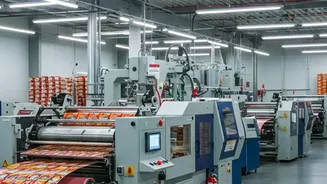
Today, Coimbatore's textile industry is a blend of legacy and modernity. While it houses over 25,000 small, medium, and large textile units, the industry faces modern challenges. These include rising production costs, dependence on cotton from other states, and stiff global competition. Yet, the spirit of innovation that built the city continues. The focus is shifting towards value-addition, sustainable practices, and technical textiles—specialised fabrics for medical, industrial, and other uses. With premier research institutions like SITRA and a new generation of entrepreneurs, the city is adapting to remain a global leader. Many of the old mill names may now only survive as bus stop names, a nostalgic reminder of the past, but their legacy fuels the industry's future.