





The New Space Race is Private
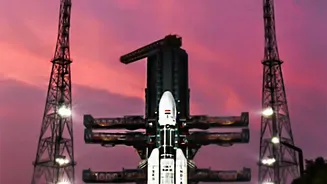
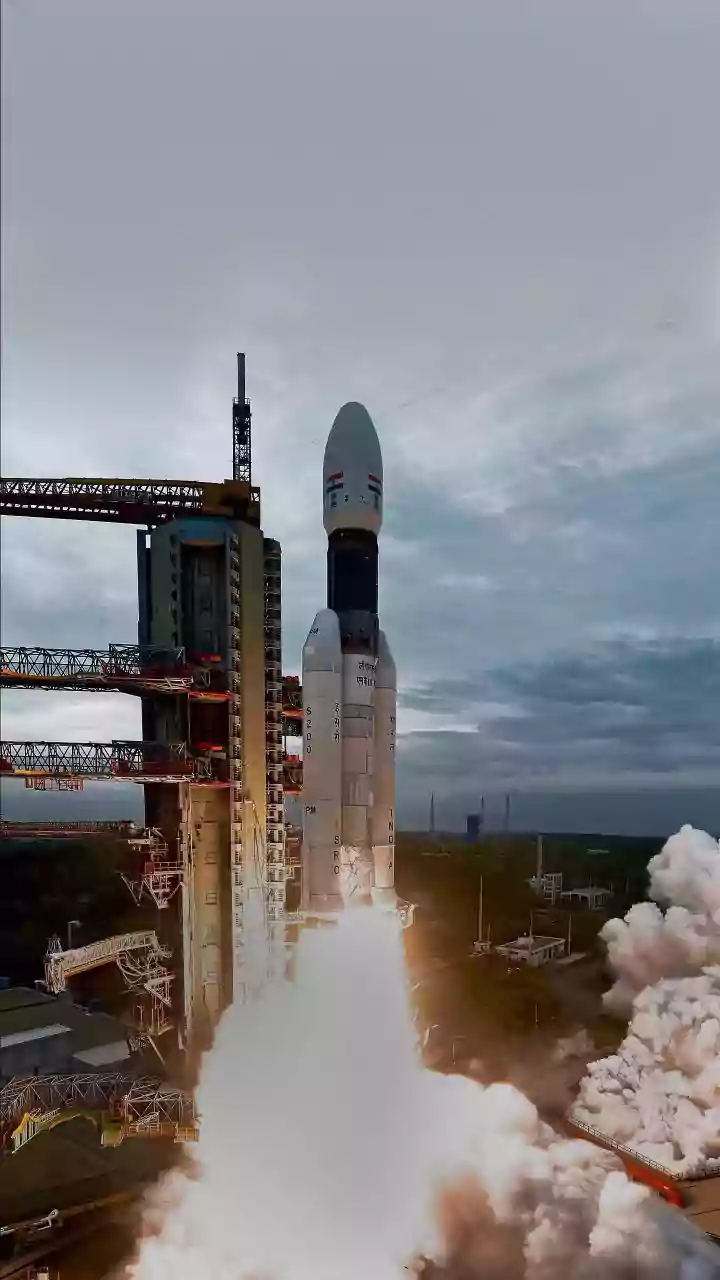
India's space story is no longer piloted solely by the Indian Space Research Organisation (ISRO). Following landmark government reforms in 2020, the sector was opened to private enterprise, sparking a revolution. The creation of the Indian National Space Promotion
and Authorisation Centre (IN-SPACe) as a single-window agency was a game-changer. It empowered non-government entities to build launch vehicles, design satellites, and provide space-based services. This policy shift has cultivated a thriving ecosystem of over 400 startups by 2026, attracting significant private investment and fundamentally reshaping the job market. For young workers, this means the dream of a space career is no longer confined to a highly competitive government exam but is now accessible through a dynamic and fast-growing commercial sector.
Where the Opportunities Are: Key Growth Areas
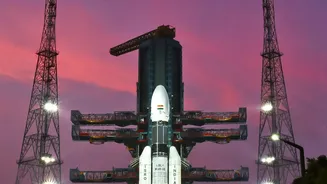
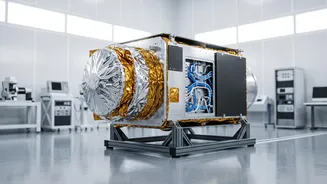
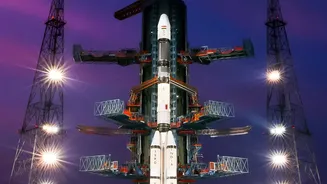
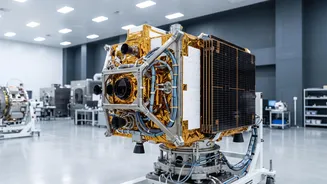
The expansion is happening across three main fronts. First is launch vehicle development, where startups like Skyroot Aerospace and AgniKul Cosmos are building their own rockets to offer cost-effective satellite deployment. This creates a huge demand for aerospace, mechanical, and propulsion engineers. Second is satellite manufacturing and operations. Companies like Dhruva Space are focusing on building small satellites for a variety of applications. This area needs systems engineers, electronics specialists, and mission operations experts to manage satellites in orbit. The third, and perhaps largest, area is downstream data applications. Earth observation companies are using satellite imagery to provide solutions for agriculture, climate monitoring, and urban planning. This has triggered a surge in demand for data scientists, GIS analysts, and software developers who can turn raw data into actionable intelligence.
The Skills You Need for Liftoff
While a B.Tech in Aerospace or Mechanical Engineering remains a strong foundation, the skill set for the modern space industry is much broader. Proficiency in software and data is now critical. Strong programming skills in Python, C++, and MATLAB are highly sought after for everything from flight software to data analysis. Expertise in AI and machine learning is invaluable for analysing the vast amounts of satellite data being generated. Beyond core technical skills, employers look for systems thinking—the ability to understand how complex subsystems interact. For those in the data analytics track, knowledge of remote sensing and Geographic Information Systems (GIS) is essential. The industry also has growing needs for non-engineering roles, including specialists in space law, policy, and business development.
Building Your Career Trajectory
For students aiming for this sector, a strong academic foundation in a STEM field is the first step. Beyond a degree, practical experience is what makes a candidate stand out. Internships at space startups, participation in university CubeSat projects, or contributing to open-source space software can provide invaluable hands-on learning. Networking is also crucial in this nascent industry. Following companies like Skyroot, Pixxel, and Agnikul on professional platforms and attending industry events can provide insights and connections. The talent pool is still developing, and professionals with experience from other sectors, like IT and data science, are also finding opportunities to transition into space tech. This movement of talent is seen as a positive sign of a healthy, growing ecosystem where experience is valued, whether it comes from ISRO or a fast-paced tech startup.