



First, What Are Proteins and Amino Acids?
Think of protein as a long chain made of individual links called amino acids. These are the building blocks your body uses for everything from repairing muscle and tissue to supporting your immune system. There are 20 different amino acids, but nine of them
are special. These are called 'essential amino acids' because our bodies cannot produce them on their own. We must get them from the food we eat. These nine essential amino acids are histidine, isoleucine, leucine, lysine, methionine, phenylalanine, threonine, tryptophan, and valine. When a food contains all nine of these in sufficient amounts, it's often referred to as a 'complete' protein.
The Myth of 'Incomplete' Plant Protein
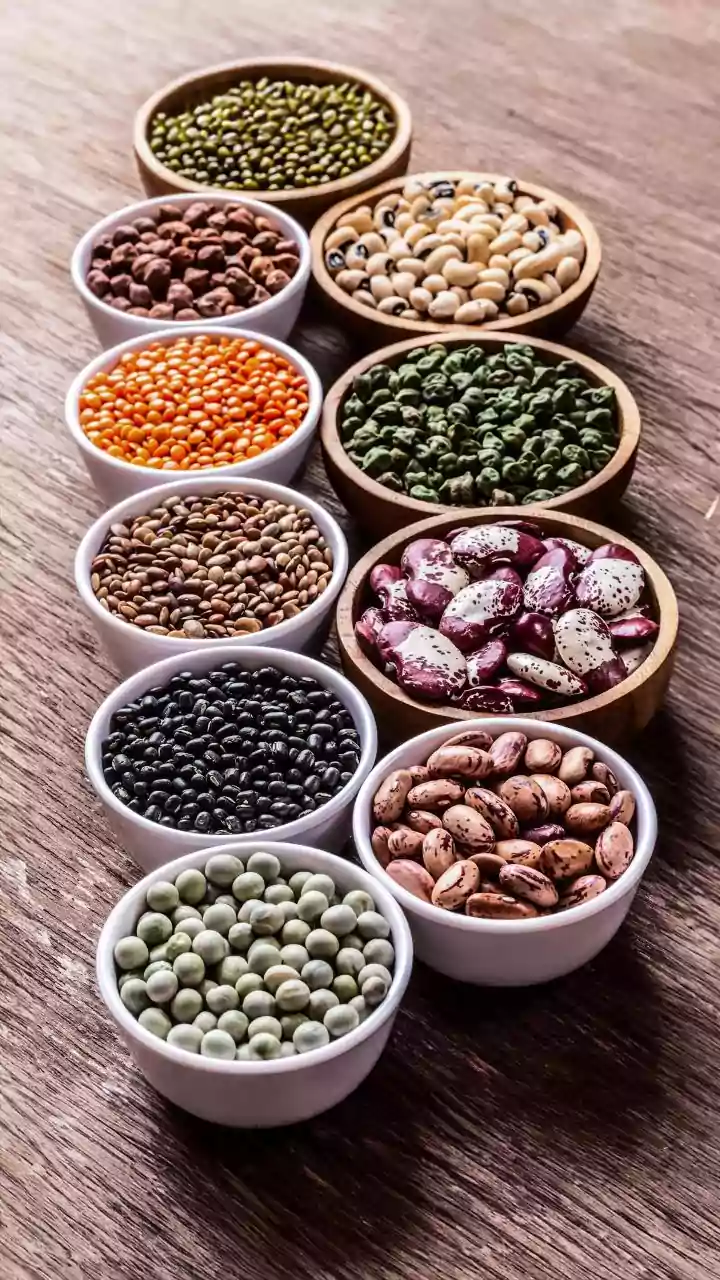
For years, a common concern with vegetarian diets was the concept of 'incomplete' proteins. Most plant foods, when eaten alone, are considered 'incomplete' because they are low in one or more of the essential amino acids. For example, grains are typically low in the amino acid lysine, while legumes like beans and lentils are low in methionine. However, 'low' does not mean 'zero'. All plant foods contain all 20 amino acids, but the proportions vary. This is where the concept of a 'limiting' amino acid comes in—it's the essential amino acid present in the smallest quantity in a particular food. The idea isn't that plant foods are missing amino acids, but that we need to combine them smartly to get the right balance.
How Protein Quality Is Measured
Scientists use scoring systems to evaluate a protein's quality, based on its amino acid profile and how well we can digest it. One of the most established methods is the Protein Digestibility Corrected Amino Acid Score (PDCAAS). This score measures a protein's essential amino acid content against our nutritional needs and then adjusts for its digestibility. A score of 1.0 is considered the highest quality, indicating that the protein provides all essential amino acids and is easily absorbed. Animal proteins like dairy and eggs typically score a 1.0. While many individual plant proteins score lower, combining them can significantly boost their collective quality. A newer method called DIAAS offers a more precise measurement but is not yet widely used for food labelling.
The Power of Pairing Grains and Legumes
This is where traditional food wisdom shines. The nutritional shortcomings of grains and legumes are perfectly complementary. Grains, which are low in lysine, are rich in methionine. Legumes, which are low in methionine, are packed with lysine. When you eat them together, they fill each other's nutritional gaps, creating a meal with a complete amino acid profile, similar to that of animal protein. This synergistic pairing is the foundation of countless satisfying and nutritionally complete meals found across India and the world. It's a simple, effective, and cost-efficient strategy for obtaining high-quality protein from plants.
Complete Protein on Your Plate: Indian Meal Ideas
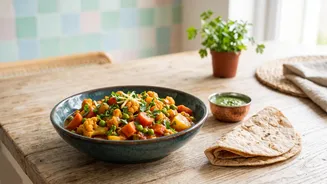
You don't need to look far for examples; these powerful combinations are likely already a staple in your diet. Classic Indian dishes have been perfecting protein complementation for centuries. Some of the best examples include: - Dal and Chawal: A timeless classic where lentils (dal) provide the lysine that rice lacks, and rice provides the methionine that dal is low in. - Roti and Dal: The same principle applies here, with whole wheat flatbread pairing perfectly with any lentil or bean curry. - Rajma-Chawal: This beloved North Indian dish is another perfect example of combining a legume (kidney beans) with a grain (rice) to create a complete protein. - Khichdi: Made from rice and moong dal, this ultimate comfort food is also a nutritionally complete meal. - Idli or Dosa with Sambar: The fermented batter of rice and urad dal, served with a lentil-based stew, provides a full spectrum of essential amino acids.
Do You Need to Combine at Every Single Meal?
While classic pairings like dal and rice are effective, modern nutritional science has shown that you don't necessarily need to eat complementary proteins in the exact same meal. Your body maintains a 'pool' of amino acids throughout the day. As long as you consume a variety of plant proteins—like legumes, grains, nuts, and seeds—over the course of the day, your body can pull the necessary amino acids from this pool to build the complete proteins it needs. So, having dal for lunch and roti for dinner still works. However, combining them in a single meal remains a simple and reliable way to ensure you're getting a balanced intake.