



Rethink Your Watering Schedule
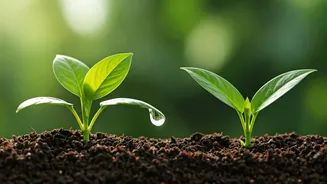
The single biggest mistake during the monsoon is overwatering. [1, 3] With high humidity in the air, the soil in your pots dries out much slower than in summer. [10] Your usual watering routine can quickly lead to waterlogged soil, suffocating the roots
and causing root rot, the most common killer of indoor plants. [9, 21] Before you water, always check the soil. A simple finger test works well: stick your finger about an inch or two into the soil. If it feels damp, wait another day or two before watering. [16] When you do water, do so lightly. Remember, it's easier to save an under-watered plant than an over-watered one, especially during the rains. [1]
Prioritise Drainage and Soil Health
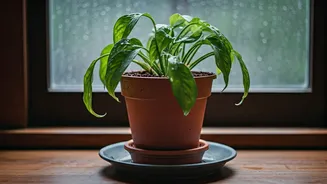
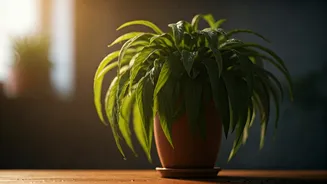
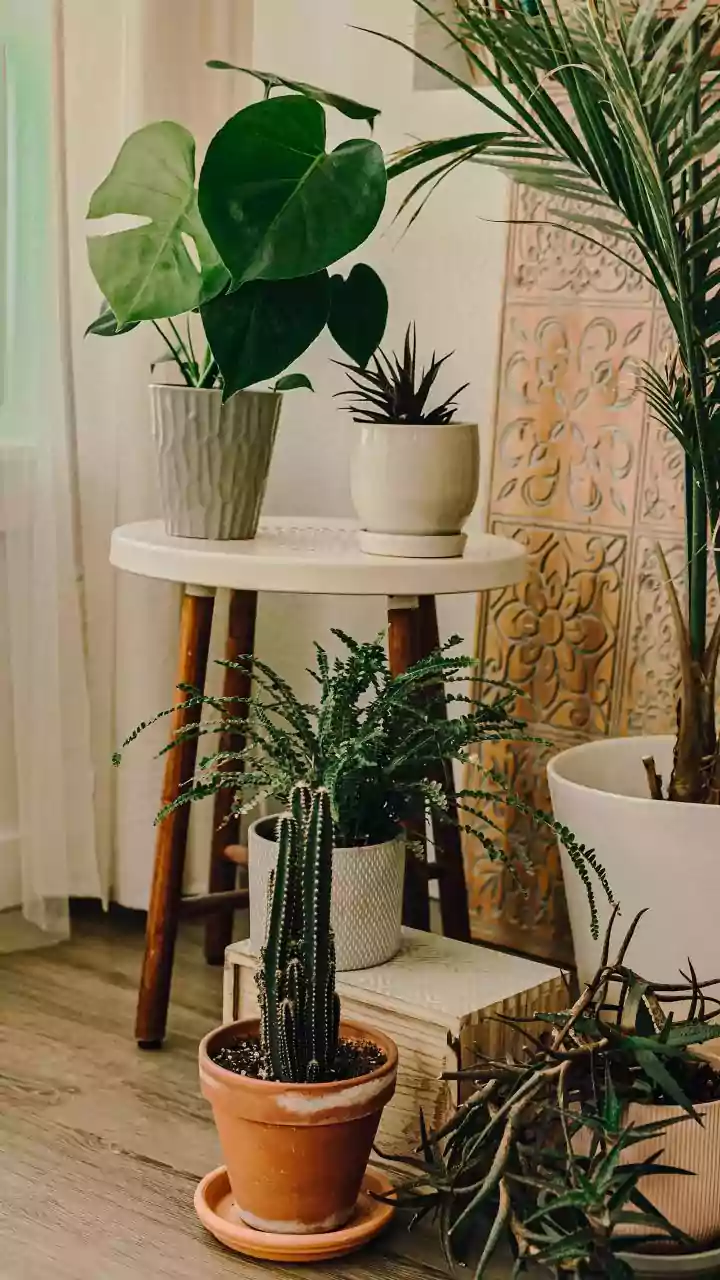
Good drainage is non-negotiable during the monsoon. [8] Ensure every pot has drainage holes to allow excess water to escape. [2, 9] If you use decorative pots without holes, treat them as cachepots—keep your plant in a plastic nursery pot with drainage and place it inside the decorative one. [10] Empty any water that collects in saucers or trays promptly to prevent the plant from sitting in stagnant water, which invites root rot and mosquitoes. [3, 12] This is also a good time to check your potting mix. A well-draining mix, often containing perlite, sand, or coco peat, is crucial as it prevents soil from becoming compacted and allows air to reach the roots. [1, 16]
Maximise Light and Air Circulation
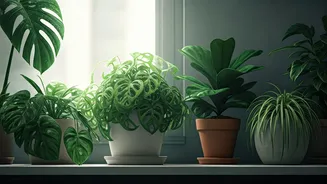
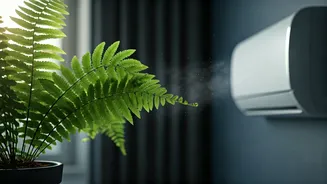
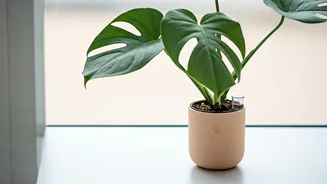
Overcast skies mean significantly less natural light for your plants. [3] This can lead to slower, weaker growth. To compensate, move your plants closer to windows, especially those facing east to catch the gentle morning sun. [3] Clean your windowpanes to let in as much light as possible. Rotating your plants every few days also ensures all sides get some light exposure. [6] Just as important is air circulation. Stagnant, humid air is a breeding ground for fungal diseases like powdery mildew. [7, 23] If your space feels stuffy, open windows for a few hours when it's not raining, or use a small fan on a low setting to create a gentle breeze around your plants. [2, 3] This helps the soil surface dry faster and keeps fungal spores at bay.
Watch for Pests and Fungal Infections
The damp, humid conditions of the monsoon are perfect for pests and fungi. [7] Be extra vigilant during this season. Common pests like fungus gnats, mealybugs, and spider mites thrive in these conditions. [1, 5] Inspect the leaves (including the undersides) and soil of your plants weekly. Fungus gnats are attracted to constantly moist soil, so letting the top layer dry out can help deter them. [3] Fungal infections often appear as white powdery spots (powdery mildew) or black sooty mould on leaves. [5, 7, 21] Pruning away affected leaves and ensuring good air circulation are key preventive measures. [2] For active infestations, a simple spray of neem oil solution can be an effective organic remedy. [5, 11]
Hold Off on Fertilising and Repotting
Monsoon is generally a resting period for many indoor plants due to lower light levels. Heavy fertilising during this time can do more harm than good, as the plants can't use the nutrients effectively, leading to fertiliser burn. If you must fertilise, use a diluted liquid feed and apply it less frequently, perhaps once a month. [13] Many experts suggest waiting until after the heavy rains have passed to resume a regular fertilising schedule. [15] Similarly, avoid major repotting unless a plant is suffering from severe root rot. The stress of repotting combined with the challenging monsoon environment can be too much for the plant. Wait for brighter, drier weather to give your plants a new home.