






More Than Just More or Less Rain
When we talk about rainfall variability, it isn't simply about drought or deluge. It's the erratic nature of the precipitation that poses the real danger. Instead of a steady, season-long monsoon, India is increasingly experiencing long, dry spells punctuated
by short, intense bursts of extreme rain. These shifts disrupt the delicate balance that forest ecosystems depend on. Scientific studies confirm that it's not just the total volume of rain that matters for vegetation, but when and how consistently it falls. Forests, especially those with dense canopies, require a relatively steady supply of moisture to thrive. When this rhythm is broken, the entire ecosystem begins to feel the stress, turning lush green landscapes into vulnerable zones.
A Twin Threat: Fires and Floods
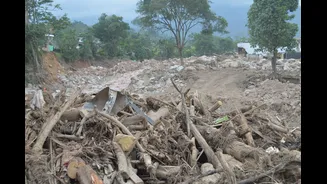
The inconsistent rainfall creates a two-pronged attack on India's forests. Extended dry periods, combined with rising temperatures, leave forest floors littered with dry, combustible biomass. This has led to a noticeable increase in the frequency and intensity of forest fires. Research indicates that the fire season is getting longer across the country, by as much as 30 to 60 days in some areas. Dry deciduous forests, like those in Central India, are particularly susceptible, with some studies projecting a 60% increase in days with severe fire weather. On the other end of the spectrum, when the rains do arrive, they often come in overwhelming torrents. This extreme rainfall on dry, hardened soil leads to severe soil erosion, washing away vital nutrients and destabilising slopes. In mountainous regions like the Himalayas and the Western Ghats, this pattern is a direct trigger for devastating landslides, which can wipe out entire sections of forest and threaten downstream communities.
Regional Hotspots of Distress
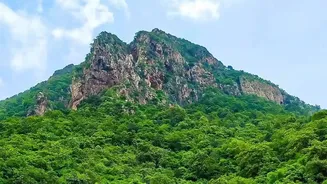
The impact of this variability is not uniform; different forest types across India face unique challenges. In the Western Ghats, a global biodiversity hotspot, the erratic monsoon is wreaking havoc. A recent break in the monsoon in July 2026 was reported to have caused the egg clutches of the rare, rock-breeding Matheran Wrinkled Frog to dry up, highlighting a direct threat to species survival. In Central India, a study of the Panchmarhi Biosphere Reserve found that the area lost around 13% of its forest cover between 1972 and 2020, with shifting rainfall patterns and increased fire risk identified as major drivers. The dry teak forests in this region saw the most significant canopy loss. Meanwhile, in the Himalayas, unpredictable rainfall and decreasing snowfall are hampering the natural regeneration of iconic oak forests and allowing hardier pine species to invade higher altitudes.
The Ripple Effect on People and Wildlife
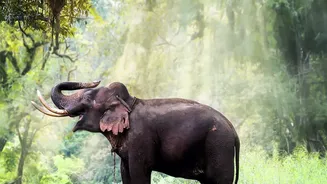
The degradation of forests has consequences that extend far beyond the trees themselves. Changes in the life cycles of plants, known as phenology, are disrupting the delicate web of life. When flowering and fruiting seasons shift, it impacts the insects, birds, and mammals that depend on them for food. This can lead to changes in wildlife migration patterns and puts added pressure on already vulnerable species. For the millions of people in India whose livelihoods are directly tied to forests, the stakes are just as high. Forests are crucial for regulating water flow into rivers and recharging groundwater. As they degrade, water security for countless communities is compromised. The availability of non-timber forest products, from medicinal herbs to firewood, also diminishes, impacting the economic stability of forest-dependent populations and weakening the nation's ecological resilience.