


The Case for a Sunrise Practice
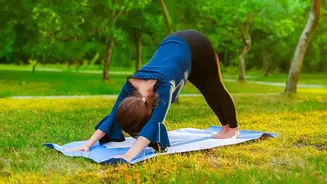
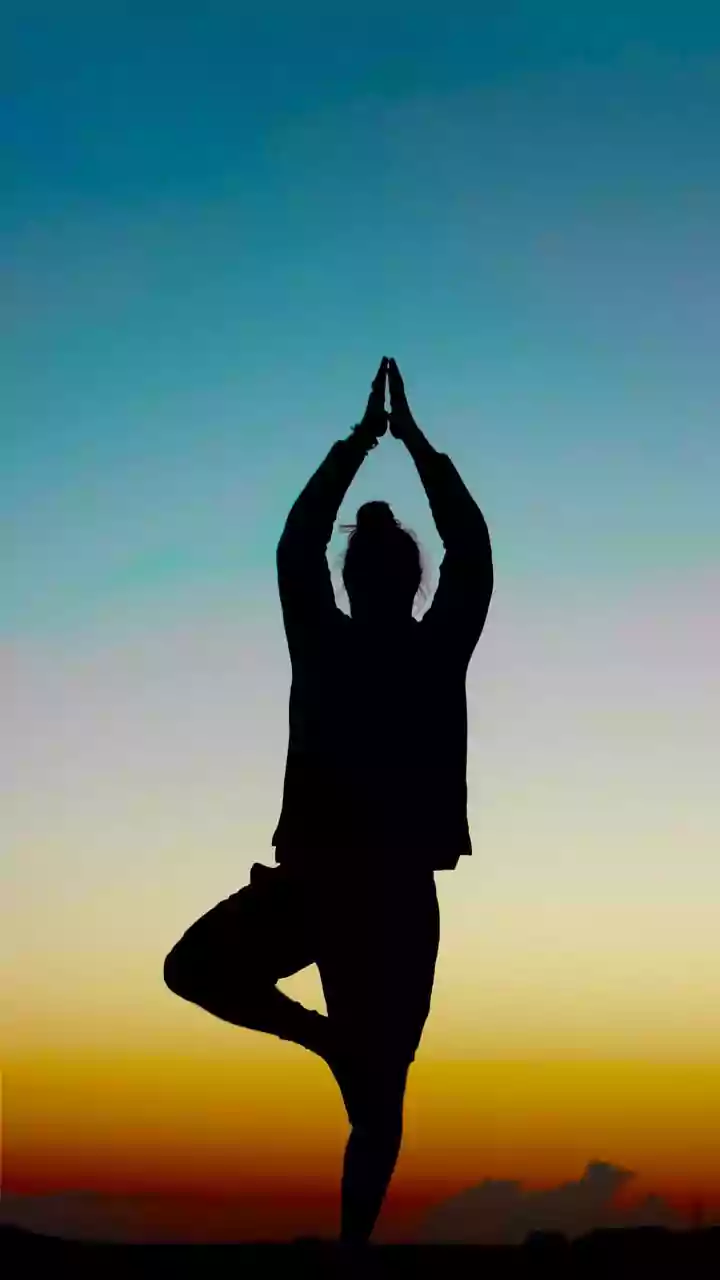
Practicing yoga in the morning, especially a dynamic sequence like Surya Namaskar (Sun Salutations), is a powerful way to energize your body and mind for the day ahead. This series of flowing poses is traditionally performed at sunrise to honour the sun and align
your body with nature's rhythm. A morning practice helps kickstart your metabolism, improve circulation, and awaken your major muscle groups. Research suggests that morning movement works in harmony with your body's natural circadian rhythm, supporting the cortisol awakening response that helps you feel alert and focused. The synchronized breath and movement in Sun Salutations can also reduce stress and improve mental clarity, setting a positive and intentional tone for the rest of your day. For many, the quiet of the early morning provides a distraction-free environment, making it easier to build a consistent and grounding habit.
The Allure of an Evening Flow
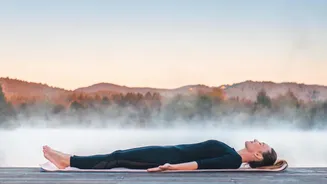
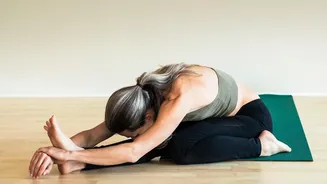
If your days are demanding and your mind is still racing by bedtime, an evening practice focused on restorative yoga could be transformative. The goal of evening yoga is not to build heat or energy, but to downshift the nervous system. Gentle, supported poses held for several minutes help activate your parasympathetic nervous system, also known as the "rest and digest" state. This activation helps lower your heart rate, reduce stress hormones like cortisol, and release physical tension stored in the body from a long day of sitting or stress. Styles like Yin or Restorative yoga, which use props like bolsters and blankets for support, are ideal for the evening. Poses such as Child's Pose (Balasana) or Supported Bridge Pose (Setu Bandha Sarvangasana) can calm the mind and prepare the body for deep, restful sleep. Studies have shown that a regular evening yoga practice can improve overall sleep quality and help with insomnia.
Head-to-Head: Energy vs. Calm
When deciding between the two, it's helpful to compare their primary effects. For boosting energy, metabolism, and establishing a consistent routine, morning yoga often has the edge. It aligns with your body's natural waking cycle and prepares you for the day's demands. For stress relief, physical recovery, and improving sleep quality, evening yoga is the clear winner. It helps you actively unwind and process the day, signaling to your body that it's time for rest. What about flexibility? While morning yoga warms up stiff muscles, your body is naturally more flexible in the evening after a full day of movement, which might allow you to explore deeper stretches with more ease. Ultimately, however, the most significant factor is consistency. The best time to practice is the time you can reliably commit to.
How to Choose Your Perfect Fit
Your ideal yoga time is personal. To find what works for you, consider your lifestyle and natural tendencies. Are you a natural morning person who leaps out of bed, or do you need a slow start? If mornings are chaotic, forcing a yoga session might add more stress. In that case, an evening practice can serve as a dedicated buffer between your work day and personal time. Conversely, if you often feel too exhausted to do anything but collapse on the couch after dinner, a morning practice might be more realistic. Think about your primary goals. If you want to increase your energy and focus for work, try a week of morning Sun Salutations. If you struggle with anxiety or poor sleep, commit to a week of evening restorative poses. Treat it as an experiment. Pay attention to how you feel not just during the practice, but throughout the entire day and night. Your body will give you the clearest answer.