
The New Indian Traveller Has Arrived
The profile of the Indian globetrotter is changing. The traditional, multi-generational family trip planned months in advance is making way for spontaneous getaways, solo adventures, and trips with friends. With rising disposable incomes and a large,
young population, travel is no longer a once-in-a-while luxury but an integral part of life. This new generation of travellers, armed with higher aspirations and influenced by global trends, is looking for more than just sightseeing. They are seeking authentic experiences, cultural immersion, and adventures that tell a unique story. This mindset shift is a core reason why the travel map for Indians is expanding so rapidly.
Value, Visas, and Connectivity
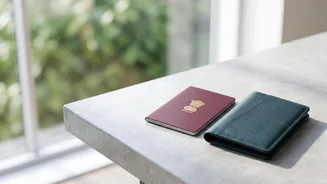
Practical considerations are powerful motivators. While Europe and the US remain popular, many travellers are now doing the maths and opting for destinations where their money goes further. Countries like Vietnam and the Philippines offer stunning landscapes and rich culture at a fraction of the cost of a European holiday. Furthermore, simplified visa processes are a game-changer. An increasing number of countries are offering visa-free entry, e-visas, or visa-on-arrival to Indian passport holders, removing a significant hurdle to travel planning. Recent additions like Malaysia and Kazakhstan, and easier access to places like Thailand and Sri Lanka, have opened up new, hassle-free corridors for exploration. Improved air connectivity with direct, affordable flights to a wider array of cities further fuels this trend, making what once seemed remote, now easily reachable.
The Social Media Effect
In the age of Instagram and YouTube, travel inspiration is just a scroll away. Social media has become a dominant force in destination discovery for Indians. Studies show that a significant percentage of travellers are influenced by content from travel influencers, as well as posts from friends and family. This creates a feedback loop: someone posts about a stunning, lesser-known beach in Albania or a unique 'cloud-hunting' trek in Vietnam, and suddenly it's on the bucket list of thousands. This digital word-of-mouth encourages exploration beyond the predictable, pushing travellers to find their own 'Instagrammable' moments in places that aren't yet overrun with tourists.
Where the New Trail Leads
So, where are these adventurous travellers headed? The new map is incredibly diverse. In Southeast Asia, Vietnam has emerged as a star, loved for its incredible food, scenic beauty, and affordability. In Europe, travellers are looking beyond the Schengen zone to countries like Albania and Georgia, which offer a European feel without the visa queues or high prices. Closer to home, the northern city of Jaffna in Sri Lanka is gaining traction for its unique Tamil heritage and pristine beaches, offering a different flavour from the country's south. For those seeking unique nature experiences, Kenya's magnificent safaris and Mauritius's tropical charm are becoming popular visa-free alternatives to traditional island holidays.
A Search for Authentic Connection
Ultimately, this shift is about more than just finding a cheaper flight or an easier visa. It represents a deeper desire for authenticity. Many travellers are growing weary of crowded tourist traps where the experience feels manufactured. They are instead looking to connect with local cultures, whether through food, festivals, or community-based tourism. This could mean staying in a family-run guesthouse in the mountains of Georgia, learning to cook from a local in Chiang Mai, or exploring the historical Silk Road cities of Uzbekistan. The goal is no longer just to see a new place, but to experience it in a meaningful way. This search for genuine connection is redrawing the boundaries of Indian outbound travel.