






A New Generation of Pilgrims
Spiritual tourism in India is witnessing a significant demographic shift. Once considered the domain of older generations, pilgrimage sites are now attracting a large number of young travellers. Data shows that those under 35 now account for a substantial
portion of visitors to spiritual circuits, driven by a search for meaning, mental peace, and cultural connection rather than mere ritual. This new wave of travellers, armed with smartphones but seeking inner stillness, is redefining what it means to be a pilgrim in the 21st century. They are looking beyond traditional obligations to find personal relevance on ancient paths.
From the Ghats of Kashi to the Himalayan Foothills
The journey from Varanasi to Rishikesh forms a compelling narrative of contrast. Varanasi, one of the world's oldest living cities, confronts visitors with profound cycles of life and death on its bustling ghats. It’s an intense, unfiltered immersion into ancient traditions. Rishikesh, nestled in the Himalayan foothills, offers a different kind of spirituality—one centred on yoga, meditation, and serene nature. The Ganges river, a constant in both locations, transforms from a slow, sacred vessel in Varanasi to a fast-flowing, youthful stream in Rishikesh. This geographical and spiritual polarity is what makes the journey between them so transformative.
The Rise of Slow Tourism
This spiritual track perfectly encapsulates the principles of slow tourism, a trend rapidly gaining favour among Indian travellers. Slow travel is not about seeing less; it is about experiencing more by deliberately reducing the pace. It prioritizes connection over checklists, encouraging travellers to immerse themselves in a single place rather than rushing through multiple destinations. This can mean staying in local homestays, learning a new skill, or simply spending afternoons observing daily life. Faced with high stress and burnout, many young Indians are finding that this intentional, unhurried approach to travel provides a much-needed antidote to their fast-paced lives.
The Journey as the Destination
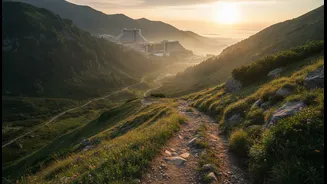
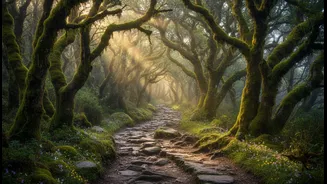
The path between Varanasi and Rishikesh is not a fixed itinerary but a personal exploration. For many, the travel itself—often by train or bus, with stops in cities like Prayagraj or Haridwar—is a crucial part of the experience. It's during these in-between moments that the shift in mindset occurs. Long conversations with fellow travellers, quiet contemplation while watching the landscape change, and navigating the logistics of the journey all contribute to a deeper engagement with the country and oneself. This approach stands in stark contrast to a hurried, multi-city tour, fostering a sense of discovery that a packed schedule rarely allows.
More Than a Vacation, a Reset
For the young travellers undertaking this journey, the rewards are often intangible but deeply impactful. The goal is less about collecting souvenirs and more about gaining perspective. Many describe the experience as a mental and emotional reset, offering clarity and a renewed sense of purpose. The practice of slow, mindful travel along this spiritual corridor helps cultivate a sense of presence and connection that they carry back into their daily lives. They return not just with photographs, but with a new appreciation for time, well-being, and the value of a meaningful journey over a quick destination.