





1. So, what’s actually driving this growth?
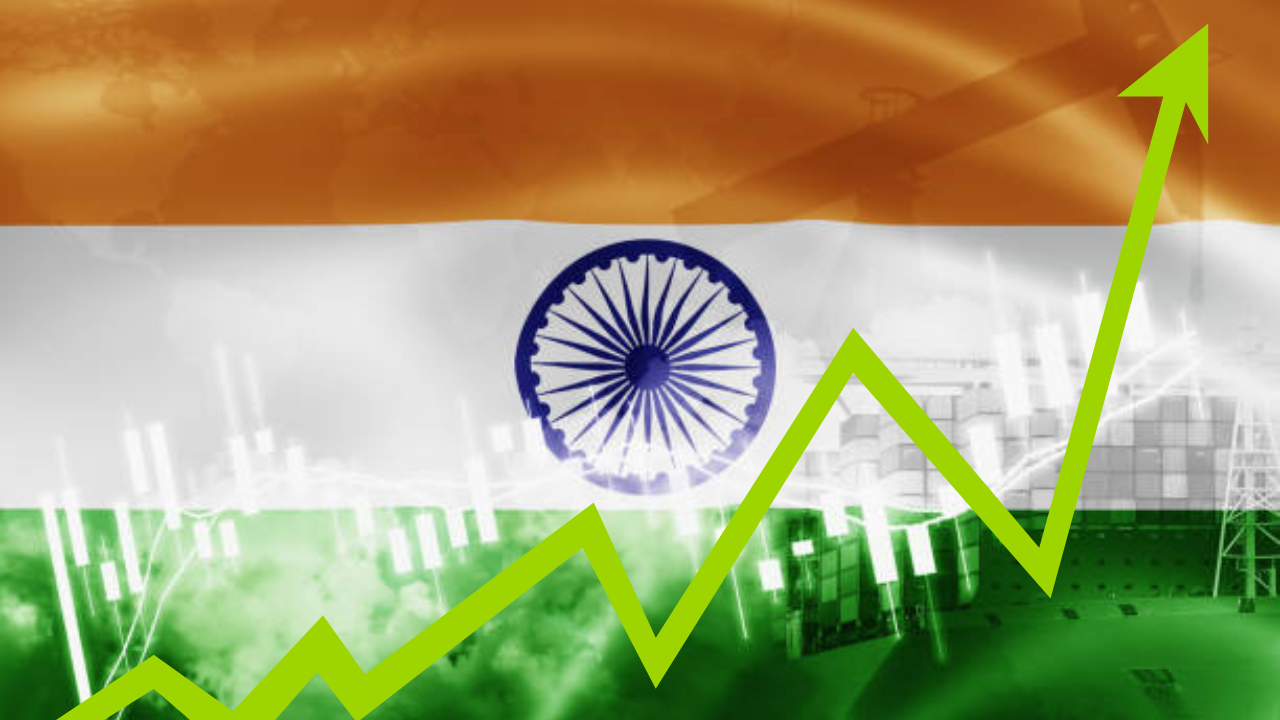
Think of the economy as having multiple engines. Right now, the strongest ones are the services sector and government spending. The services sector, which includes everything from IT and finance to trade and hotels, grew by a robust 10%. Financial, real
estate, and professional services were particularly strong, expanding over 12%. The government has also been spending heavily on infrastructure like roads and railways, which is reflected in strong growth in the construction sector. This public investment has been a key pillar holding up the economy. However, private consumption—what you and I spend on goods and services—grew at a more modest 6%, suggesting that while the overall economy is humming, individual spending power hasn't quite caught up at the same pace.
2. Is this growth creating enough good jobs?
This is the million-rupee question. A fast-growing economy should, in theory, create plenty of jobs. However, the picture is complex. While official data shows a decline in the overall unemployment rate over the last few years, youth unemployment remains a concern. In the April-June 2026 quarter, the unemployment rate for those aged 15-29 was 15.9%. Much of the recent growth has been led by the services and capital-intensive sectors, which may not be creating as many jobs as more labour-intensive industries. Experts point out that for growth to be truly sustainable, it needs to be powered by stronger employment generation, especially in the manufacturing sector. So, while the 7.8% figure is positive, it doesn't automatically translate into a job for every graduate.
3. If the economy is booming, why do things feel so expensive?
You're not imagining it. While the GDP number reflects the production of goods and services, it doesn't always capture the reality of your household budget. Inflation, particularly in food prices, has been a persistent issue. An uneven monsoon can put pressure on agricultural output, driving up the cost of essentials and impacting rural incomes. This means that even if your salary has gone up, a larger chunk of it might be getting eaten up by rising living costs. This disconnect between a high GDP growth rate and the pinch you feel in your wallet is real. The Reserve Bank of India remains cautious about this, indicating that keeping inflation in check is a top priority.
4. Is everyone benefiting equally from this growth?
The data suggests the recovery isn't uniform across all sections of the economy, a phenomenon often described as a 'K-shaped recovery'. This is where some sectors and income groups (the top arm of the 'K') recover and grow rapidly, while others (the bottom arm) stagnate or decline. In India's case, the formal, urban, and services-oriented parts of the economy are performing very well. However, the agricultural sector, which employs a vast portion of the population, has seen much slower growth. This creates a divide between urban and rural India, and between high-wage service jobs and the broader informal economy. While some recent trends show the rural-urban gap narrowing in certain areas like consumer goods sales, the broader pattern of uneven growth remains a key challenge.
5. What are the potential roadblocks ahead?
Maintaining this high growth rate isn't a given. Economists have flagged several potential risks. Global headwinds, including geopolitical tensions and a slowdown in major economies, could hurt India's exports. Domestically, the performance of the monsoon remains critical for the rural economy, which supports a huge part of our population and overall demand. Another major challenge is boosting private investment. While government spending has been strong, a sustained recovery needs private companies to feel confident enough to invest in new factories and businesses, which has been sluggish. Economists agree that for India to continue on a high-growth path, private investment and consumption must pick up more broadly.