




1. Go Native with Your Plants
The single most impactful change you can make is to prioritise native plants. Unlike exotic or foreign species, Indian native plants have evolved over millennia to thrive in our specific climate and soil conditions. This means they require significantly
less water, fewer fertilisers, and are naturally resistant to local pests and diseases. More importantly, they have a deep, co-evolved relationship with local wildlife. Plants like the Indian Mallow (Abutilon indicum), various species of Jasmine (Mogra), and the humble Curry Leaf plant (Murraya koenigii) provide the right kind of nectar, pollen, and leaves for our native bees, butterflies, and birds. Choosing native flora over foreign ornamental plants is like rolling out a welcome mat for the local ecosystem, ensuring your garden is a source of life, not just a pretty display.
2. Ditch the Chemicals for Good
A truly nature-friendly garden is a poison-free zone. Chemical pesticides and herbicides are indiscriminate killers; they don't just eliminate the one 'pest' you're targeting. They harm beneficial insects like ladybugs (which eat aphids), spiders (which control flies), and pollinators like bees. These chemicals can also seep into the soil and groundwater, causing wider environmental damage. Instead, embrace organic pest control. A simple solution of neem oil and water is a powerful, traditional, and natural insecticide and fungicide that doesn't harm the ecosystem. Companion planting is another brilliant strategy: planting marigolds (genda) can deter nematodes and other pests from your vegetable patches, while planting garlic near roses can help ward off aphids. It’s a shift in mindset from 'killing pests' to 'creating a balanced system'.
3. Add a Simple Water Source
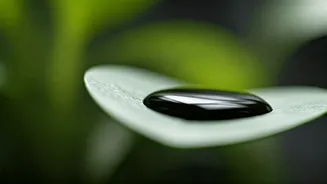
In the heat of an Indian summer, a small, reliable source of water can be a lifesaver for urban wildlife. It doesn't need to be a large, expensive fountain. Even a simple, shallow terracotta dish (a 'bird bath') filled with fresh water each day can make a world of difference. Birds will flock to it to drink and bathe, especially in concrete-heavy urban areas. Bees and other insects will also visit the damp edges to hydrate. For an even greater impact, place a few small stones or pebbles in the dish so they break the water's surface. This gives smaller insects a safe place to land and drink without the risk of drowning. This tiny addition transforms your garden from just a food source into a complete, life-sustaining habitat.
4. Plant for Pollinators
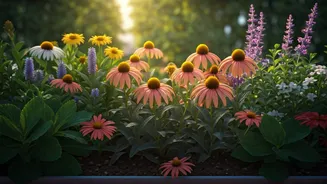
Pollinators are the unsung heroes of our food system, and their populations are under threat. You can turn your garden—even a small balcony—into a crucial refueling station for them. The key is to plant a variety of flowers that bloom at different times of the year, providing a consistent food source. For bees, think purple and blue flowers like Salvia and Lavender. For butterflies, bright, fragrant flowers like Hibiscus, Pentas, and Lantana are irresistible. Don’t forget sunbirds, which are attracted to tubular flowers like the Cape Honeysuckle. Grouping similar plants together creates a larger, more attractive target for pollinators, making it easier for them to find their meal. By planting for them, you’re not just getting a beautiful, colourful garden; you’re playing a vital role in supporting the food web.
5. Embrace a Little 'Wildness'
Resist the urge to keep your garden perfectly tidy. A little bit of 'mess' is where nature thrives. Instead of raking up every last fallen leaf, leave some as natural mulch on your soil. This leaf litter provides a home for insects, earthworms, and other critters that enrich the soil. A small pile of old logs or sticks in a quiet corner can become a 'bug hotel,' offering shelter to beneficial insects like beetles and solitary bees. Let some of your flowers go to seed at the end of the season; those seed heads can be a valuable food source for birds during leaner months. This approach reduces your workload and creates a more resilient, self-sustaining garden. It’s about learning to see the beauty in a complete, functioning ecosystem, not just in perfectly pruned hedges and weed-free flowerbeds.