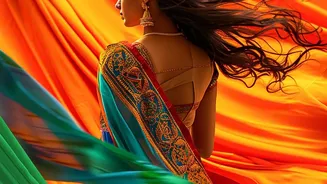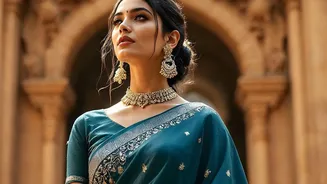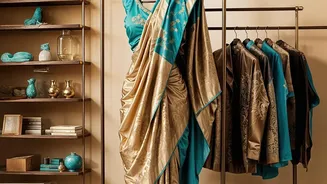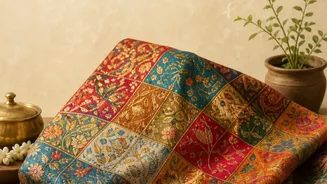

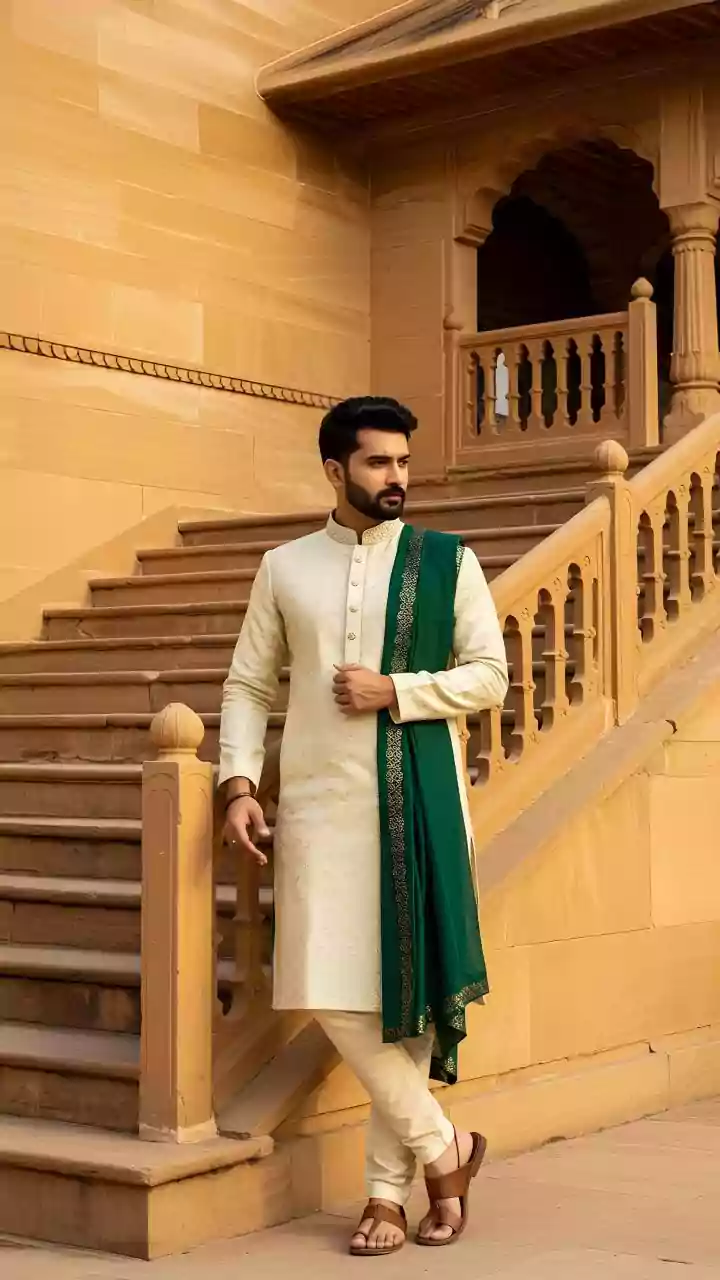

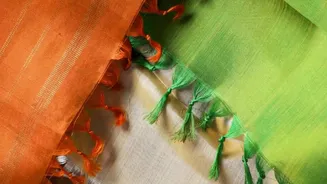
A quiet revolution is unfolding in wardrobes and homes across India. Consumers are looking past mass-produced goods, drawn to the vibrant threads of regional fabrics. This shift isn't just about style; it's a conscious choice for a better story.
From Factory to Artisan: A New Definition of Value
For decades,
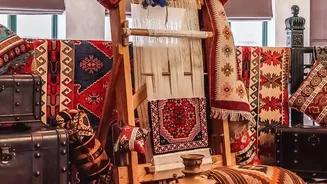
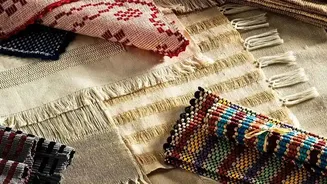
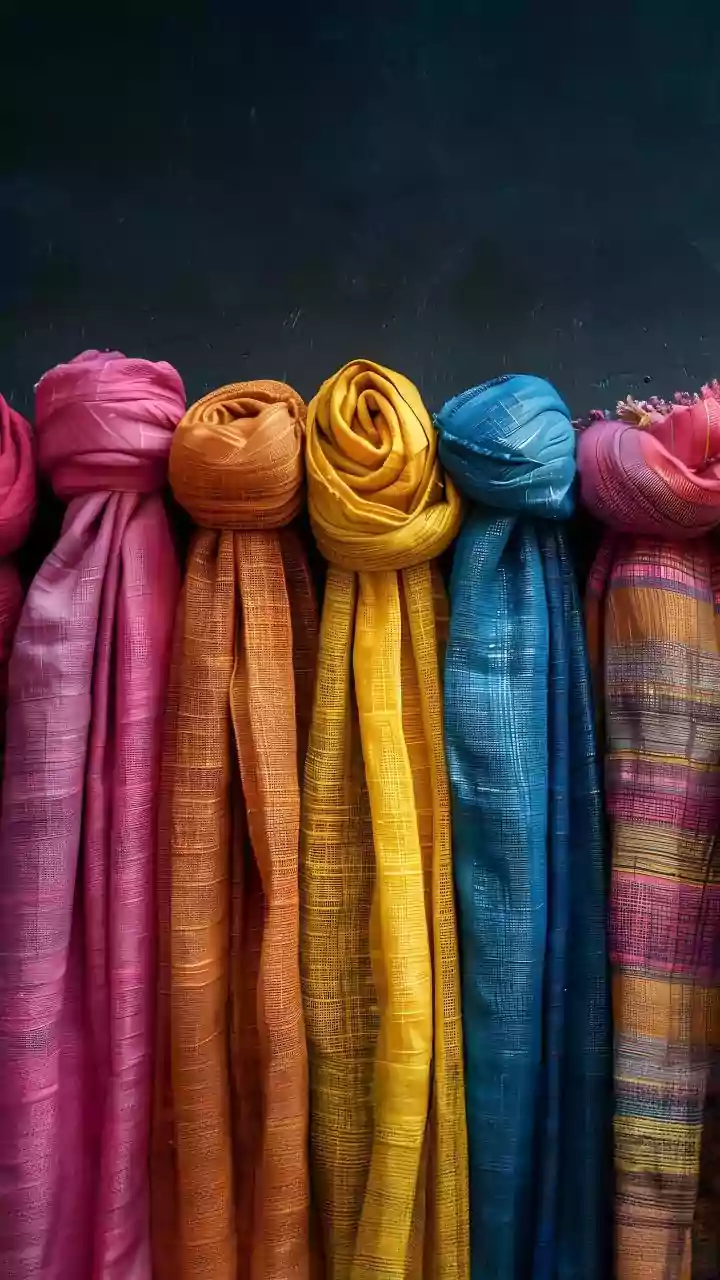
the global fashion industry has been dominated by a model of rapid production and low costs, often at a significant environmental and human price. But a growing wave of consumers is now looking for something more. They are seeking products that tell a story, hold a history, and are made with intention. This is where India's rich tapestry of artisanal textiles comes in. Unlike machine-made fabrics that are identical and impersonal, handloom textiles like Khadi, Ikat, and Jamdani are imbued with the unique touch of their creator. Each piece carries subtle variations and the soul of a craft passed down through generations, offering a tangible connection to its maker that mass production cannot replicate.
The Rise of the Conscientious Closet
The term 'ethical consumerism' refers to making purchasing decisions based on environmental and social responsibility. Today's shoppers are increasingly aware of the fashion industry's impact, from water pollution caused by toxic dyes to exploitative labour practices. In response, they are demanding transparency and sustainability. Indian handloom fabrics align perfectly with these values. Many are made using natural fibres like cotton and silk, coloured with vegetable-based dyes, and woven on looms that use minimal to no electricity. Fabrics like Khadi, for instance, are celebrated for their near-zero carbon footprint, offering a stark contrast to the resource-intensive processes of fast fashion. Choosing these textiles is a vote for a greener planet and fairer labour practices.
A Tapestry of Regional Stories
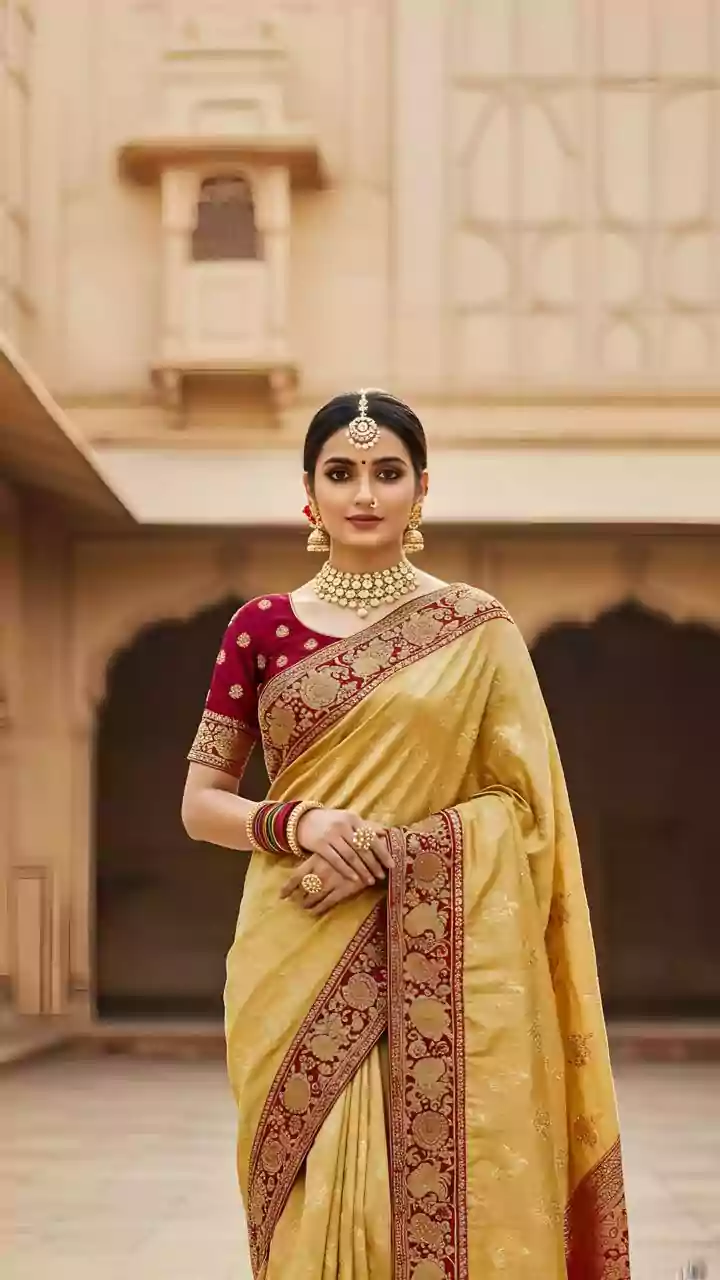
India's textile heritage is incredibly diverse, with each region boasting its own signature weaves. The shimmering, lightweight Chanderi from Madhya Pradesh was historically favoured by royalty. From Gujarat comes the complex double-ikat Patola, a marvel of mathematical precision where threads are dyed before weaving. Andhra Pradesh offers Kalamkari, where artisans use pens and natural dyes to draw mythological scenes onto fabric. West Bengal is home to the feather-light Jamdani, with its intricate, almost floating motifs. Meanwhile, the iconic Banarasi silk from Varanasi is famous for its opulent brocades woven with gold and silver threads. By choosing these fabrics, consumers are not just buying a piece of cloth; they are engaging with and helping to preserve a unique cultural identity.
Reviving Economies and Empowering Communities
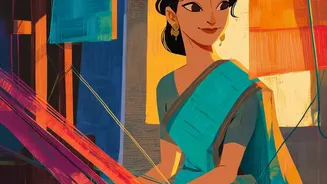
The surge in demand for artisanal fabrics has a direct and profound impact on the ground. The handicraft and handloom sectors employ millions of people in India, many of them women in rural areas. For generations, these artisans have faced challenges from industrial manufacturing and inconsistent demand. The conscious consumer movement helps provide a sustainable livelihood, ensuring that these invaluable skills do not disappear. Fair trade practices and direct-to-consumer platforms are increasingly connecting artisans with global markets, ensuring they receive fair compensation for their intricate work. This economic empowerment revitalises entire communities, fosters pride in traditional craftsmanship, and encourages younger generations to continue their family's legacy.