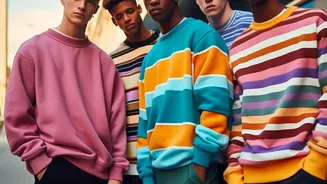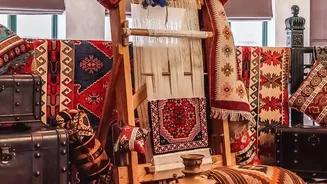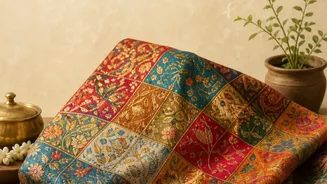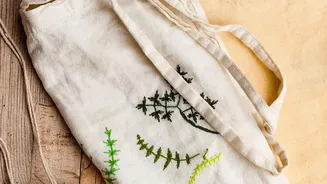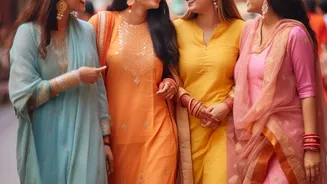

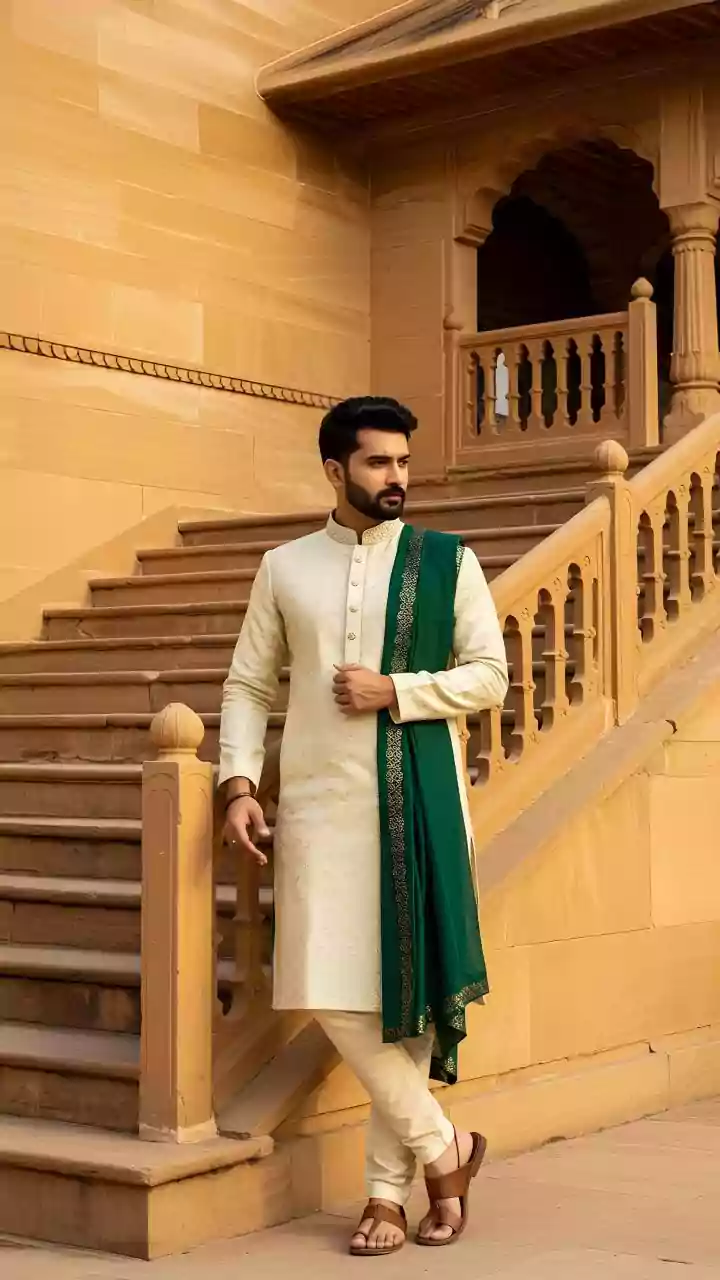


In a world dominated by fleeting trends and mass-produced garments, a quiet but powerful revolution is taking place. India’s rich tradition of regional textiles is making a remarkable comeback, offering a meaningful alternative to fast fashion.
The Real Cost of a Bargain
For decades,
fast fashion has defined the modern wardrobe. Its business model, built on rapid production and low prices, offers instant gratification. However, this convenience comes at a steep price. Environmentally, the industry is a major polluter, responsible for 8-10% of global carbon emissions and consuming vast amounts of water. Socially, it often relies on the exploitation of garment workers, who face low wages and poor working conditions. The result is a cycle of overconsumption and waste, with an estimated 85% of textiles ending up in landfills each year, where synthetic fabrics can take up to 200 years to decompose.
A Return to Roots
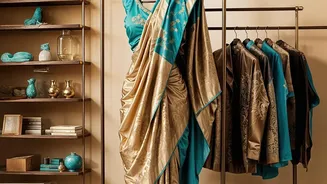
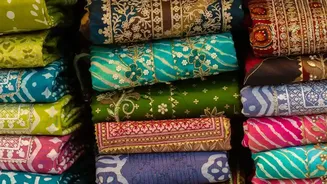
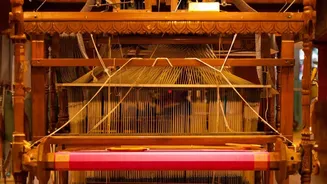
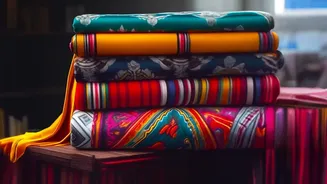
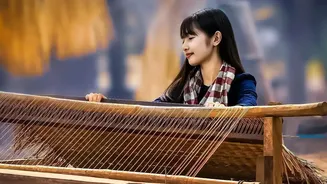
In stark contrast to this is the world of heritage crafts. Indian handloom and handcrafted textiles are the embodiment of 'slow fashion'. These fabrics, from the breathable cottons of Bengal to the intricate silks of Varanasi, are not just materials; they are stories woven into cloth. Each piece is unique, carrying the subtle imperfections and signatures of the artisan who made it. This is something a machine can never replicate. The revival is driven by a growing appreciation for authenticity, quality, and the human touch in a digitised world. Consumers are discovering that a handcrafted garment has a soul that mass-produced items lack.
The Rise of the Conscious Consumer
This shift is largely powered by a new generation of shoppers. Millennials and Gen Z, in particular, are driving demand for sustainable and ethical products. Armed with information and connected through social media, they are more aware of the environmental and social footprint of their purchases. For many, buying a handcrafted piece is a statement of values. It is a conscious choice to support a more sustainable model and reject the disposability of fast fashion. This growing awareness in India has led to a significant increase in the sustainable fashion market, which is projected to grow robustly as more consumers align their spending with their principles.
Weaving a Stronger Economy
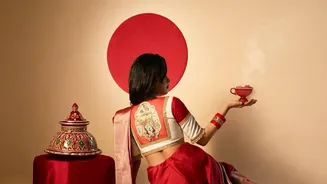
Choosing heritage textiles is not just a style choice; it's an economic one. The handicrafts sector is the second-largest source of employment in rural India after agriculture, providing livelihoods for millions of artisans, a significant portion of whom are women. When you buy a handloom saree or a block printed kurta, you are helping to sustain a family and a community. This direct support empowers artisans, preserves traditional skills, and ensures that wealth is distributed at the grassroots level. Government initiatives and private platforms are also playing a crucial role by connecting artisans directly with urban and global markets, helping to revitalise these vital local economies.
More Than Just Fabric
Ultimately, the fight between local crafts and fast fashion is one of value versus volume. Fast fashion offers quantity, but heritage textiles provide quality, longevity, and meaning. A handcrafted garment is made to be cherished for years, not discarded after a few wears. Its beauty often deepens with time, and its cost per wear is often far lower than its cheaper, mass produced counterparts. By embracing these textiles, we are not just investing in a beautiful piece of clothing. We are helping to preserve centuries old traditions, protect our planet, and support the artisans who are the true guardians of India's cultural inheritance.