






A Celestial Spectacle Arrives
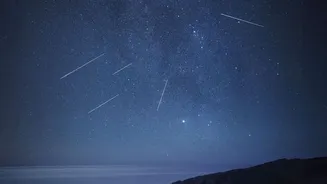
Tonight, on August 12 and into the early hours of August 13, the Earth will pass through the densest part of the debris trail left by Comet Swift-Tuttle. This creates the Perseid meteor shower, an annual event beloved for its bright and plentiful shooting
stars. This year's display is set to be particularly special because the peak coincides with a new moon, meaning the sky will be exceptionally dark and free of moonlight, which would otherwise wash out fainter meteors. Under ideal conditions, viewers could see between 50 and 100 meteors per hour, including dramatic, long-tailed fireballs.
Your Biggest Obstacle: Light Pollution
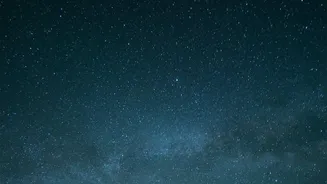
The single greatest challenge to enjoying this cosmic display is light pollution. The ambient glow from cities, streetlights, and buildings creates a bright haze in the atmosphere that drastically reduces the number of visible stars and meteors. Trying to watch for faint shooting stars from within a city is like trying to hear a whisper at a rock concert—the background noise simply overpowers the main event. Most people living in urban areas can only see a handful of the brightest stars, while a meteor shower's magic lies in the sheer number of streaks, many of which are faint. To see the shower as it's meant to be seen, escaping this artificial glow is not just a suggestion; it's a necessity.
What Makes an Ideal Viewing Spot?
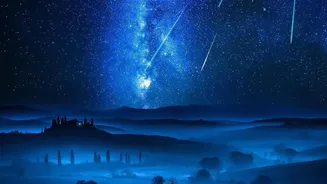
The perfect destination for meteor watching has three key features: it is dark, clear, and open. 'Dark' means being as far away from city light domes as possible. 'Clear' refers to the weather, but also to atmospheric conditions—high-altitude locations often have less haze and air pollution, offering a crisper view. 'Open' means having an unobstructed vista of the sky, away from tall trees or buildings that limit your field of view. While India's monsoon season can be a challenge for August stargazing, regions in a rain shadow or at high altitudes offer the best chances. Destinations like Ladakh, Spiti Valley, and the Rann of Kutch are famous for their dark skies.
How to Plan Your Escape Tonight
You don't have to travel to Ladakh to enjoy the show, though it helps. For most people, a good viewing spot can be found by driving an hour or two away from the nearest major city. Look for national parks, rural countryside, or any area with low population density. Use online light pollution maps to identify dark zones near you. The goal is to put as much distance as possible between you and urban centres. For viewers in India, the best time to watch will be after midnight, with the hours between 2:00 AM and 4:30 AM IST on August 13 expected to be optimal, as the shower's radiant point rises higher in the sky.
Your Meteor-Watching Essentials
Once you've found your spot, your most important tool is patience. It takes about 20 to 30 minutes for your eyes to fully adapt to the darkness, allowing you to see the faintest meteors. During this time, avoid looking at your phone screen, as its bright light will ruin your night vision. You don't need a telescope or binoculars; your naked eyes are best for scanning the entire sky. Lie back on a blanket or reclining chair for comfort. Dress in layers, as even summer nights can get chilly. Pack some snacks and a warm drink, settle in, and simply look up. The meteors will appear to radiate from the constellation Perseus in the northeast, but they can streak across any part of the sky.