


Build a Foundation with Aromatics
The first step to building flavor is to create a strong foundation. This begins with aromatics—the combination of vegetables and herbs heated in fat that forms the base of your dish. Think of the classic French mirepoix (two parts onion, one part celery,
one part carrot) or the Italian soffritto. Gently sweating these vegetables in oil or butter over low heat doesn't just soften them; it coaxes out their natural sugars and releases fragrant compounds, creating a savory, complex backbone for everything that follows. Don't rush this step. Allowing your onions, garlic, shallots, or leeks to cook down until they are soft and golden is the difference between a one-note dish and one with layers of flavor.
Introduce Depth with Umami
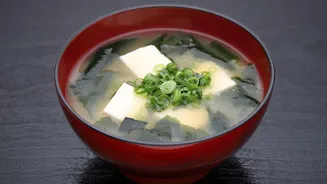
Umami, often called the fifth taste, is your secret weapon for adding a deep, savory richness that makes food more satisfying. This meaty flavor is thanks to a molecule called glutamate, which is abundant in many ingredients. You can easily introduce umami into a mild dish without overpowering it. Consider adding mushrooms (especially dried varieties like shiitake), a splash of soy sauce or tamari, a spoonful of miso paste, or even a Parmesan cheese rind to your simmering soup or stew. Ingredients like tomato paste, cured meats, and seaweed (such as kombu) are also packed with umami and can transform a simple vegetable broth from watery to wonderfully rich.
Let It Brown for Better Flavor
Colour is flavor. That golden-brown crust you get from searing meat or roasting vegetables is the result of the Maillard reaction, a chemical process that creates hundreds of new aroma and flavor compounds. Steaming or boiling ingredients in water won't achieve this. To develop this crucial layer, make sure your pan is hot before adding your ingredients and don't overcrowd it, as this will trap moisture and lead to steaming instead of browning. Even when making a soup or stew, browning the meat or vegetables first builds a foundation of savory notes. Those caramelized bits left on the bottom of the pan, known as fond, can be lifted with a splash of liquid (deglazing) to incorporate all of that concentrated flavor back into your dish.
Wake Everything Up with Acid
If your dish tastes flat or like it's missing something, the answer is often not more salt, but a hit of acidity. Acid cuts through richness, balances other flavors, and brings a brightness that makes the entire dish feel more alive. A simple squeeze of lemon or lime juice added at the very end of cooking can completely reinvigorate a meal, from a pot of chicken soup to a piece of grilled fish. Vinegars are equally powerful; a splash of white wine vinegar in a creamy sauce or red wine vinegar in a hearty stew can provide the perfect counterpoint. Other fermented products like yogurt or buttermilk can also add a pleasant tanginess. Remember to add acid gradually, tasting as you go, to find the right balance.
Finish with Freshness and Fat
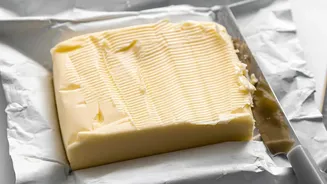
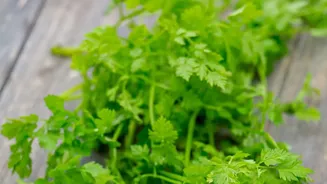
The final touches can make all the difference. While heavy fats can weigh a dish down, a small amount of good-quality fat added at the end can enhance mouthfeel and carry flavor. A drizzle of extra-virgin olive oil over a finished soup or a pat of butter stirred into a sauce just before serving adds a luxurious texture and richness. Finally, never underestimate the power of fresh herbs. Added in the last few moments of cooking or scattered over the top as a garnish, herbs like parsley, cilantro, basil, or chives provide a burst of fresh, vibrant flavor and aroma that can lift even the mildest dish into something special.