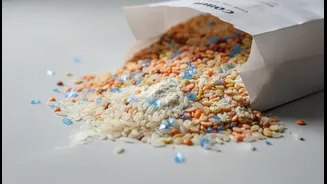









The Invisible Ingredient in Your Spices
Microplastics are tiny plastic particles, less than five millimetres long, that have become pervasive in our environment, including the food chain. Recent studies have revealed their presence in some of the most basic kitchen staples. Research shows that a high
percentage of table salt brands globally contain these particles. Sea salt often has the highest concentrations because the evaporation process concentrates the plastics already present in polluted ocean water. However, even mined rock salts aren't entirely immune; contamination can occur during processing and packaging. The issue isn’t limited to salt. Analyses have also detected microplastics in both white and brown sugar, as well as other pantry items like rice and flour. These particles, typically types like PET and polypropylene, can originate from polluted water sources, manufacturing equipment, and plastic packaging.
An Emerging Health Concern
While the full extent of the health impact of ingesting microplastics is still under investigation, early research raises valid concerns. Scientists know that these particles can be carriers for other environmental toxins. Once ingested, the smallest particles may be capable of crossing the gut barrier and entering the bloodstream, potentially accumulating in various organs. Animal and cell studies suggest that this can trigger inflammation, oxidative stress, and disruptions to the immune and endocrine systems. While direct causal links to specific diseases in humans are not yet established, the presence of microplastics in human blood, lungs, and even placentas confirms that we are being exposed systemically. This growing body of evidence is prompting a shift towards a precautionary approach, especially among those who prioritize long-term wellness.
Why Younger Generations Are Taking Action
Millennials and Gen Z are leading the charge in re-evaluating food choices based on health and environmental impact. Having grown up with unprecedented access to information about wellness and sustainability, these generations are more likely to view food through an ethical and health-conscious lens. Studies show that Gen Z and millennials are more inclined to buy organic, question ingredients, and prioritize sustainable packaging. For these digital natives, information about contaminants like microplastics spreads rapidly through social media, influencing purchasing habits. This awareness is driving a trend toward greater transparency and a desire for 'clean' ingredients, making the 'pantry audit' a logical and proactive response to concerns about what’s really in their food.
How to Conduct a Pantry Audit
A pantry audit isn't about throwing everything away; it's about making more informed choices moving forward. Start by assessing your current staples. First, look at the packaging. Items stored in plastic bags or containers are more susceptible to contamination over time. Consider decanting staples like flour, rice, sugar, and spices into glass jars to prevent further exposure at home. Second, evaluate the source. When it comes to salt, rock salt or kosher salt sourced from underground deposits generally contains fewer microplastics than sea salt, although they can have other mineral concerns. For sugar, choosing organic options sold in paper packaging may reduce exposure from processing and plastic liners. Finally, think about your tools. Avoid using plastic cutting boards for chopping and plastic containers for storing or heating food. Making these small, incremental changes can significantly reduce your daily encounter with microplastics.