


More Than Just Saving Water
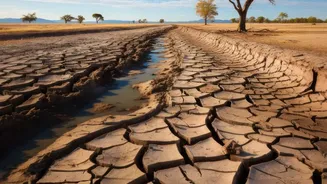
The primary benefit of a low-water garden, or xeriscape, is obvious: it slashes your outdoor water consumption by 50% or more. In Indian cities where groundwater levels are plummeting and municipal water supply can be erratic, this is a significant advantage.
But the perks go far beyond a lower water bill. These gardens are incredibly low-maintenance. By choosing plants that are naturally adapted to our climate's extremes, you spend less time watering and more time enjoying your green space. A well-designed water-wise garden is also more resilient, better equipped to handle both intense heat and periods of neglect. This approach encourages a healthier ecosystem, with fewer pests and diseases that often plague over-watered plants.
The Seven Principles of Smart Design
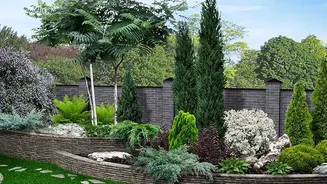
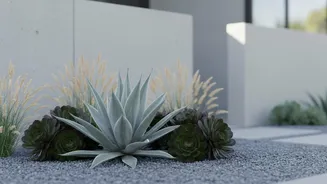
Xeriscaping is not about creating a barren landscape of rocks and cacti; it's a thoughtful design philosophy based on seven core principles. It starts with good planning and a solid design that considers your specific site's sun exposure and water flow. The next step is improving the soil with organic matter like compost, which helps it retain moisture. Plant selection is crucial, focusing on drought-tolerant and native species. It’s also wise to minimise thirsty turfgrass areas. Plants should be grouped into 'hydrozones'—placing those with similar water needs together to make irrigation more efficient. Speaking of irrigation, using methods like drip systems is far more effective than wasteful sprinklers. Finally, applying a layer of mulch helps reduce evaporation, suppress weeds, and keep the soil cool.
Choosing the Right Plants for India
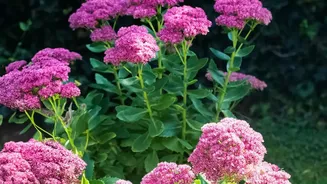
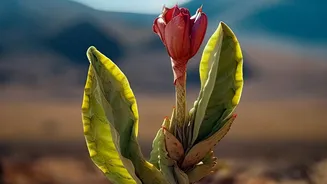
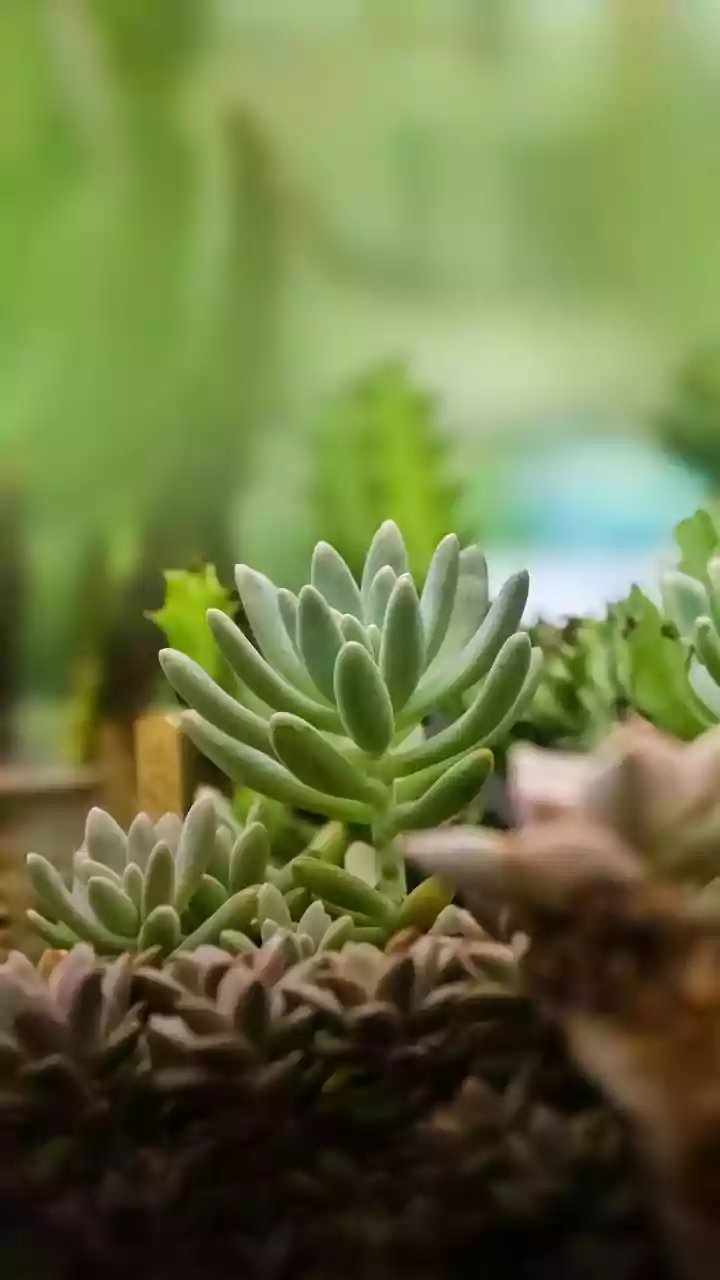
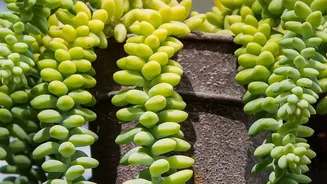
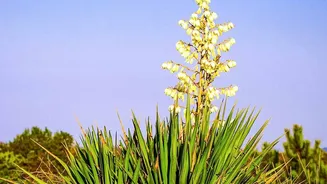
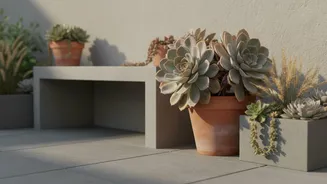
The key to a lush, low-water garden is selecting plants that thrive in Indian conditions. You have a surprisingly wide and colourful palette to choose from. For vibrant, all-summer flowers, Bougainvillea is a classic choice that actually produces more colour when watered less. Other hardy bloomers include Portulaca (Moss Rose), Lantana, and the ever-reliable Vinca (Sadabahar). Succulents are a natural fit, with plants like Aloe Vera and Agave offering striking forms and minimal water needs. The Snake Plant is another excellent option, known for its air-purifying qualities and ability to survive in low-water and low-light conditions. For larger spaces, iconic trees like Neem and Banyan provide shade and are exceptionally drought-tolerant.
Watering Wisely and Prepping the Soil
How and when you water is just as important as what you plant. The most effective habit is to water early in the morning. At this time, cooler temperatures and less wind mean more water soaks into the soil and reaches the roots before it can evaporate. Avoid watering on a fixed schedule. Instead, check the soil; if the top inch or two is dry, it's time to water. Focus the water at the base of the plant, not on the leaves, to ensure it gets directly to the roots where it's needed most. For soil preparation, the goal is to create a sponge that holds moisture. Before planting, amend your existing soil by mixing in generous amounts of compost or other organic matter. This not only improves water retention but also provides vital nutrients, creating a healthier foundation for your plants to establish strong roots.
Start Small, Think Big
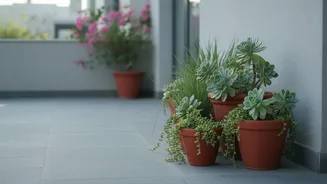
Transforming your entire garden might seem daunting, so it is best to start small. Begin with a single container, a small balcony corner, or a patch of your garden that gets a lot of sun. Choose a few hardy, drought-tolerant plants and focus on getting the soil preparation and watering technique right. As you see these plants thrive with minimal effort, you will gain the confidence to expand your low-water oasis. This approach is not about sacrifice; it's about working smarter, not harder. It is a shift towards a style of gardening that is in harmony with our environment, saving a precious resource while creating a beautiful, resilient, and enjoyable outdoor space.