
Anchor the Room Around Your Bed
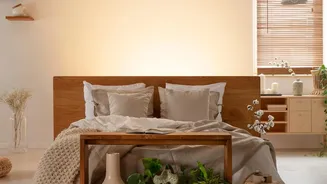
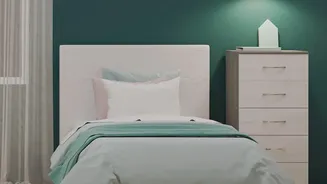
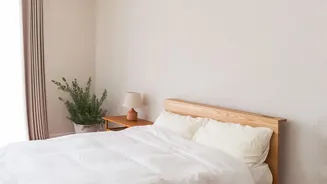
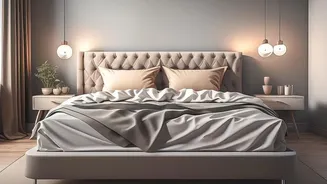
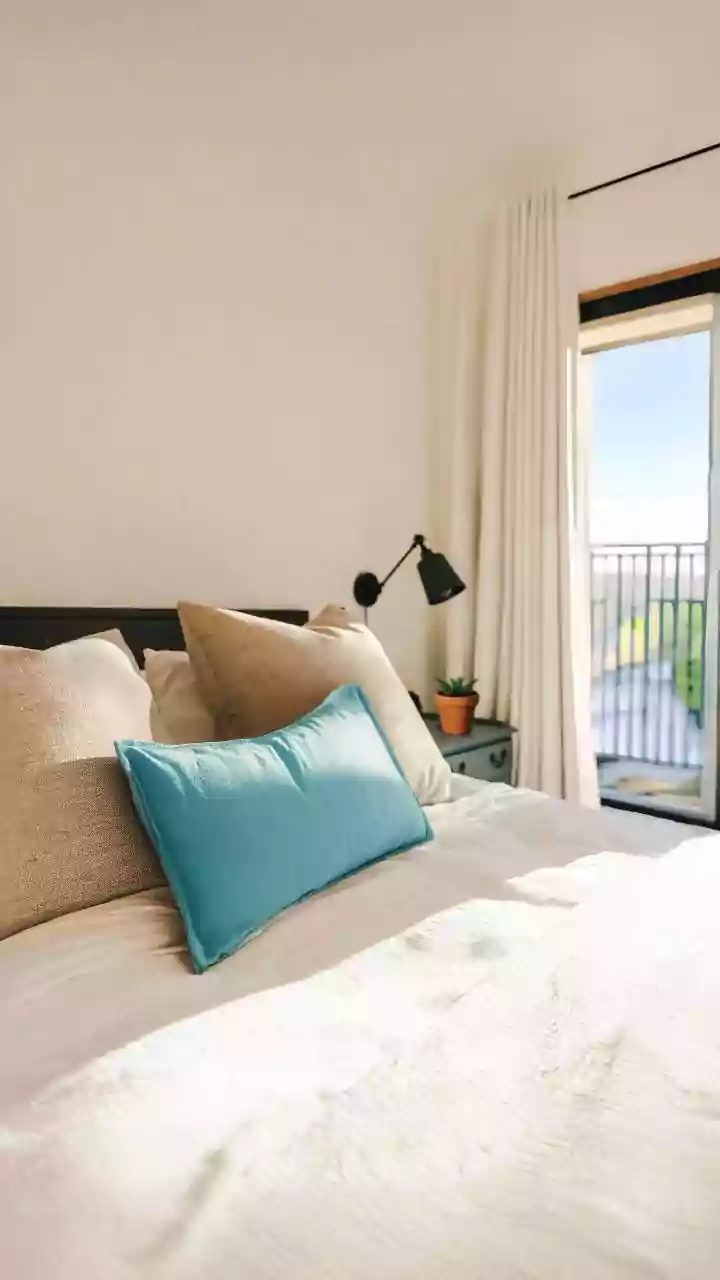
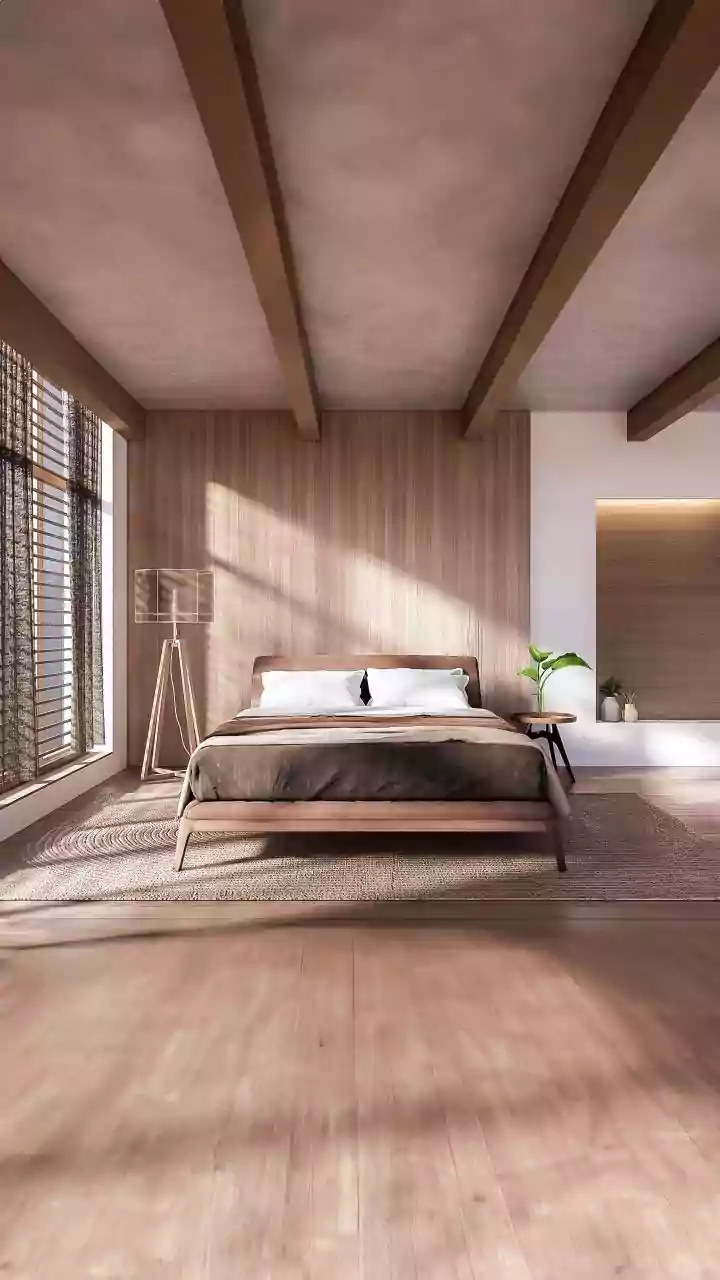
The bed is the largest piece of furniture in your bedroom, so its placement is the most critical decision. The most common and often best approach is to place your bed against the centre of the longest wall. This creates a natural focal point and a sense
of symmetry, which can make a room feel more organised and spacious. It allows for clear pathways on either side, assuming space permits, which enhances the flow of the room. If the room is too narrow for that, placing the bed in a corner can be a practical solution, particularly in a single-person or child's room, as it frees up a significant amount of floor space for other activities. Avoid placing bulky headboards or frames where they might block a window, as natural light is crucial for making a space feel open.
Think Vertically to Maximise Space
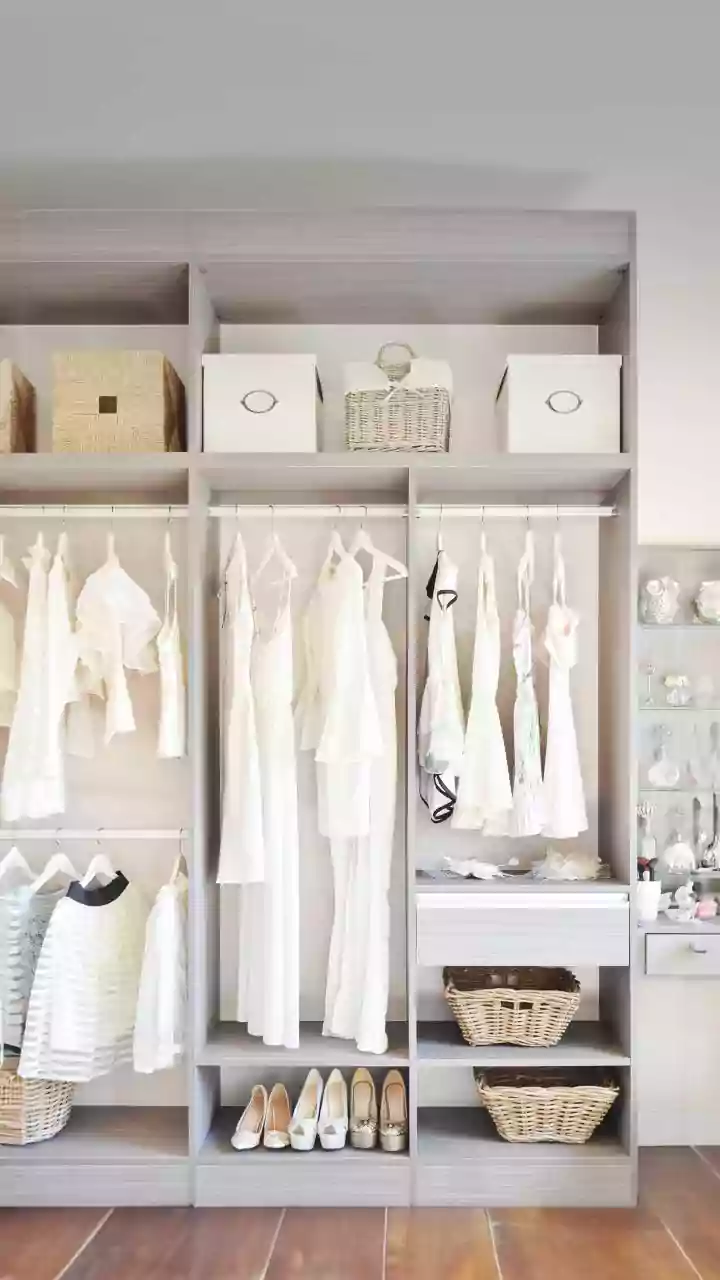
When you can't build outwards, build upwards. Using vertical space is a classic trick for small rooms because it draws the eye upward and frees up the floor. Instead of wide, short bookcases or dressers, opt for tall, slender ones that offer the same amount of storage on a smaller footprint. Floor-to-ceiling wardrobes are an excellent investment as they offer immense storage and create clean, uninterrupted lines that make the ceiling feel higher. Floating shelves are another hero piece; you can install them above a desk, a doorway, or beside the bed as a substitute for bulky nightstands. This strategy keeps the floor clear, and the more floor you can see, the larger the room will feel.
Choose Furniture That Does More
In a compact room, every piece of furniture should earn its place. Multi-functional furniture is no longer a novelty but a necessity for modern, urban homes in India. A bed with built-in storage, whether through hydraulic lifts or drawers, is one of the most valuable choices you can make, hiding away bulky items like quilts and seasonal clothing without using extra floor space. A desk can double as a vanity or even a nightstand. Ottomans with hidden storage can serve as seating, a footrest, and a place to stash clutter. Similarly, a sofa-cum-bed can make a single room function as both a bedroom and a guest room.
Reduce Visual Weight and Clutter
Visual weight refers to how heavy an object appears to the eye. Furniture that is dark and bulky can make a room feel crowded, even if it’s the same size as a lighter piece. Opt for furniture with visible legs, such as a dresser or bedside table on slender legs. This creates a sense of openness because you can see the floor underneath, making the space feel more airy. Similarly, furniture in light colours like soft whites, beiges, or greys tends to recede, making the room feel larger. This doesn't mean everything has to be white; you can have a darker statement piece, but balancing it with lighter walls and flooring will prevent it from overwhelming the space.
Use Mirrors to Create an Illusion of Depth
It's one of the oldest tricks in the book for a reason: it works. Mirrors are powerful tools for creating the illusion of more space. Placing a large mirror on a wall can visually double the size of the room. For maximum effect, position a mirror opposite a window. This will reflect natural light and the view, making the bedroom feel brighter and more expansive. A wardrobe with mirrored doors is a highly practical option, as it combines a necessary piece of furniture with this space-enhancing trick. Be mindful of what the mirror reflects; you want it to bounce light or reflect a clear, uncluttered view, not a pile of laundry.
Ensure Clear and Easy Pathways
A good layout is not just about how the room looks, but how it functions. Even the most stylish arrangement will be frustrating if you’re constantly bumping into things. Ensure there are clear pathways to walk around the room. The route from the door to the bed and to the wardrobe should be unobstructed. A common mistake is pushing every single piece of furniture against the walls, which can sometimes create an awkward, unused space in the middle. Sometimes, pulling furniture slightly away from the walls can paradoxically make the room feel more open and thoughtfully arranged. The goal is to create a layout that feels natural and easy to move through.