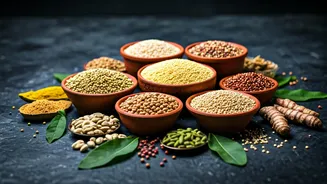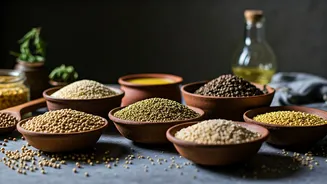






The Mighty Millet Movement
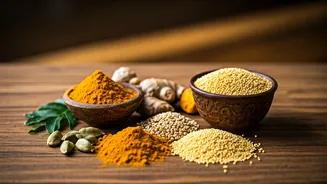
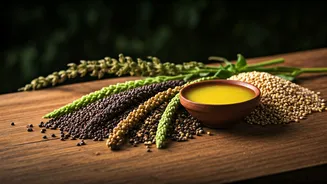
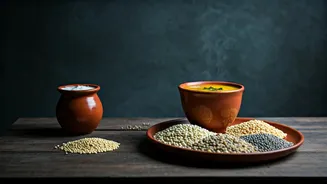
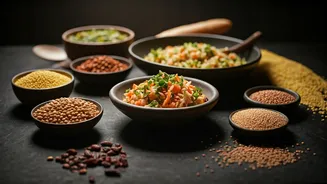
Remember when millets like ragi, jowar, and bajra were considered rustic, humble foods? Now, they are the undisputed stars of the nutrition world. This trend isn't just about nostalgia; it's rooted in solid science and sustainability. As consumers become
more aware of gluten sensitivities and the environmental cost of water-guzzling grains like rice and wheat, millets are making a powerful comeback. They are drought-resistant, making them a farmer-friendly crop perfect for India's diverse climates. Nutritionists champion them for being high in fibre, protein, and essential minerals. You’ll now find millet dosas, ragi cookies, and jowar upma not just in health-conscious homes but also on the menus of trendy cafes. This trend peaks during the post-monsoon and winter harvest seasons, aligning perfectly with when these grains are traditionally harvested and consumed for their warming properties.
Summer's 'Cooling' Superfoods
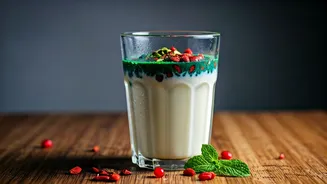
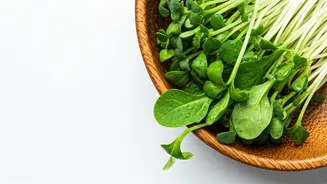
When the summer heat becomes relentless, the trend is to cool down from the inside out. Ancient wisdom from Ayurveda about 'cooling' foods is now a mainstream wellness trend. Forget imported berries; Indians are rediscovering the power of local cooling agents. Sabja (basil) seeds are now a staple addition to lemonades and falooda, praised for their hydrating properties. Kokum, once a coastal specialty, is gaining national fame as a refreshing sherbet that aids digestion. Bel (wood apple) juice, a traditional summer cooler, is celebrated for its ability to combat heatstroke and digestive issues. This trend highlights a shift towards trusting indigenous knowledge and using what nature provides right when we need it most, proving that the most effective solutions are often growing in our own backyards.
Monsoon's Gut-Friendly Ferments
The monsoon brings relief from the heat, but it's also a time when our immunity is challenged and digestive systems can feel sluggish. Enter the fermentation trend. While kimchi and kombucha have had their moment, the focus is now shifting to Indian-style ferments. Probiotic-rich drinks like kanji, made from fermented black carrots or beetroot, are trending as the ultimate gut-health tonic. People are looking beyond commercial pickles laden with preservatives and are embracing homemade, lacto-fermented vegetables. These foods are packed with beneficial bacteria that support a healthy gut microbiome, which is crucial for overall immunity. This trend is a direct response to the growing understanding that a healthy gut is the foundation of good health, especially during a season notorious for water-borne ailments.
Winter's Immunity Powerhouses
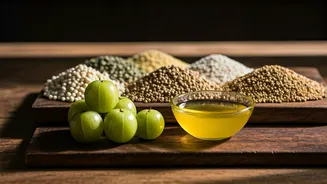
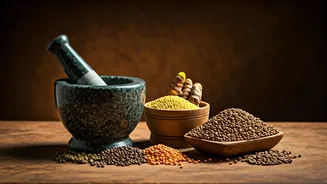
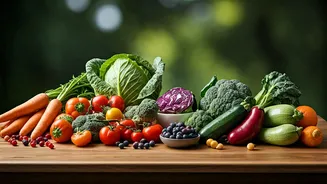
As the air turns crisp and winter sets in, the focus shifts to bolstering our body's defences. The seasonal trend is all about natural immunity boosters, and India's winter produce offers a potent arsenal. Amla, or Indian gooseberry, is leading the charge. Rich in Vitamin C, it’s being consumed not just as murabba but as fresh juice shots and powders. Fresh turmeric is another hero, with people grating it into milk, teas, and curries for its powerful anti-inflammatory and antioxidant properties. Ginger, a perennial favourite, sees its usage skyrocket in winter immunity-boosting concoctions. This trend moves away from relying solely on pharmaceutical supplements and instead embraces the power of whole foods to stay healthy through the cold and flu season. It’s a delicious and natural way to build resilience.