






The New Global Headliners
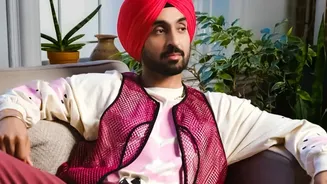
Not long ago, an Indian artist performing at a major international venue was a rarity. Today, it’s becoming a powerful trend. Punjabi superstar Diljit Dosanjh has shattered records with his globe-trotting tours, becoming the first Punjabi artist to headline
and sell out stadiums across North America and Australia. His 2026 'Aura World Tour' grossed over $32 million in North America alone, drawing more than 225,000 fans and selling out two nights at New York's iconic Madison Square Garden. Just recently, on September 12, 2026, he became the first Punjabi artist to headline London's legendary Wembley Stadium. But he's not alone. Indie singer-songwriter Anuv Jain, who built a fanbase from his bedroom, embarked on his 'Dastakhat World Tour' in 2026, selling out shows across the US, Europe, and Australia. His journey from posting songs on YouTube to performing at The Regency Ballroom in San Francisco and The Town Hall in New York showcases the new path for Indian artists.
Beyond Bollywood: A Sonic Boom
For decades, the international perception of Indian music was largely defined by Bollywood soundtracks. While film music remains immensely popular, the current wave is characterized by its diversity. The global stage is now welcoming Punjabi pop, intimate acoustic indie, and electrifying Indian electronic music. Artists like Prateek Kuhad, dubbed one of the country's finest singer-songwriters, became the first Indian artist to sign with the prestigious American label Elektra Records, bringing his Hindi and English tunes to a wider audience. Meanwhile, producers like Ritviz have shared stages with international giants like Dua Lipa and Katy Perry, blending pop, dance, and hip-hop. This musical diversification is crucial; it signals a maturation of the industry and a growing global appetite for authentic, non-film music from India.
The Digital Bridge to the World
So, why is this happening now? The primary driver is the digital revolution. Streaming platforms like Spotify, Apple Music, and YouTube have demolished geographical barriers, allowing artists to connect directly with a global diaspora and new, curious listeners. In 2025, royalties earned by Indian artists on Spotify increased by 29%, with listeners worldwide discovering an Indian artist for the first time 12.8 billion times. This digital access has been transformative, especially for independent artists who can now build international careers without the initial backing of a major label. The rise of social media has further amplified this, turning regional hits into global trends and creating a direct line of communication between artists and their international fans.
The Economics of a Global Stage
This expanding footprint is not just a cultural victory; it's big business. The success of international tours generates significant revenue, not just for the artists but for promoters, venues, and the broader ecosystem. Diljit Dosanjh's 2024 'Dil-Luminati Tour' in India was estimated to have a socio-economic impact of ₹943 crore. His subsequent North American tours have generated tens of millions of dollars in ticket sales, proving the immense commercial viability of Indian artists abroad. Live Nation, a global entertainment company, has actively promoted these tours, recognizing the growing demand for South Asian artists worldwide. This commercial success creates a sustainable model, encouraging more investment in Indian talent and paving the way for the next generation of global stars.