
First, Some Stargazing Basics
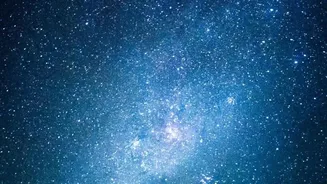
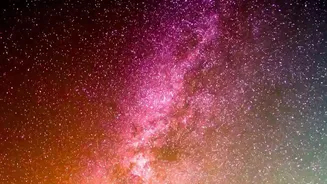
Before you head out, a few simple tips can make all the difference for a first-time skywatcher. First, get away from city lights. The darker your location, the more you'll see. Find a spot with a clear, unobstructed view of the sky, like a park, a rooftop,
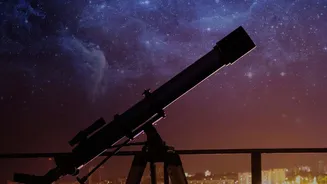
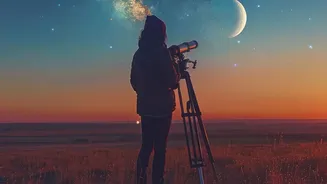
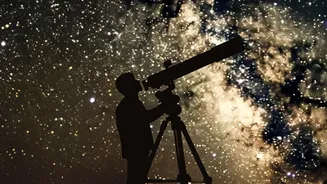
or a quiet rural road. Second, give your eyes time to adjust. It takes about 20-30 minutes for your eyes to adapt fully to the dark, revealing fainter stars and meteors. Avoid looking at your bright phone screen, as it will reset your night vision. Lastly, be patient and comfortable. Stargazing involves a lot of looking up, so bring a blanket or a reclining chair. You don't need a telescope; a pair of binoculars can enhance the view of many objects, but your eyes alone are more than enough to get started.
The Perseid Meteor Shower Continues
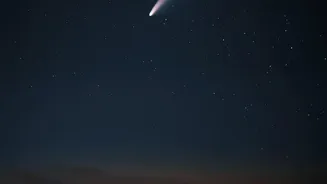
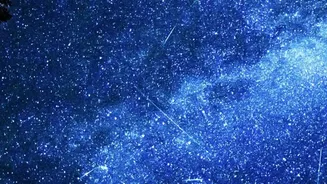
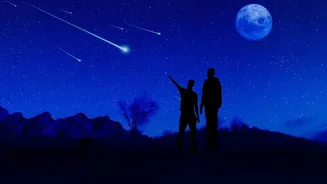
The famous Perseid meteor shower was the star of mid-August, peaking on the nights of August 12-13 under a perfect, moonless sky. While the absolute peak has passed, the show isn't completely over. The shower remains active until late August, and you can still catch stray 'shooting stars' in the days ahead. For the best chance, look toward the northeastern sky after midnight from a dark location. These meteors are actually tiny bits of debris left behind by Comet Swift-Tuttle, and they burn up in our atmosphere at incredible speeds, creating brilliant streaks of light. Even spotting a few can be a magical experience.
A Parade of Bright Planets
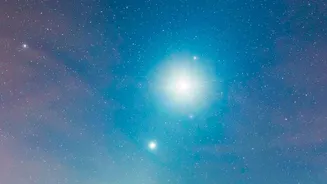
August offers a fantastic opportunity to spot several planets. Throughout the rest of the month, you can find a few of our solar system neighbours. In the evening, look for the brilliant planet Venus low in the western sky just after sunset. It will be at its greatest eastern elongation on August 15, meaning it will be at its highest point above the horizon in the evening sky. In the pre-dawn hours, the morning sky features Saturn, Mars, and Jupiter. Saturn will be visible in the south, while Mars can be found climbing in the east. Jupiter will be very low on the eastern horizon just before sunrise. Jupiter and Mars are easily visible to the naked eye, appearing as bright, star-like points of light that don't twinkle as much as actual stars.
The Summer Triangle Overhead
One of the easiest and most rewarding patterns to find in the August night sky is the Summer Triangle. This isn't a constellation but an asterism—a simple shape made of three bright stars from three different constellations. As soon as it gets dark, look high overhead for three of the brightest stars in the sky. The brightest of them is Vega. The other two are Deneb and Altair. You can't miss this giant triangle once you start looking for it. Finding it is a great way to orient yourself. The Summer Triangle is prominent throughout the summer and serves as a great signpost for navigating the star-filled sky.
A Full Moon and a Partial Eclipse
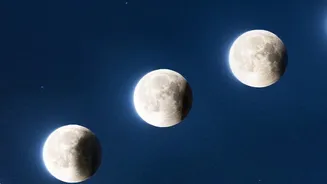
Mark your calendar for the night of August 27-28. The month closes with the Full Sturgeon Moon, which reaches its peak illumination early on August 28. This full moon gets its name from the large sturgeon fish that were easily caught in North American lakes during this time of year. But this year’s Sturgeon Moon is extra special because it will also undergo a deep partial lunar eclipse. This means a large portion of the Moon will pass through Earth's darkest shadow, causing it to appear noticeably dimmer and redder on one side. Unlike a solar eclipse, you don't need any special glasses to view a lunar eclipse. It's a safe and beautiful event to watch with just your eyes.