





The Thunder of Rolling Wheels
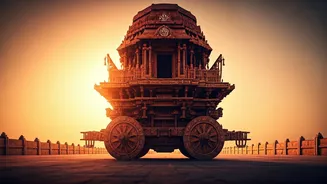
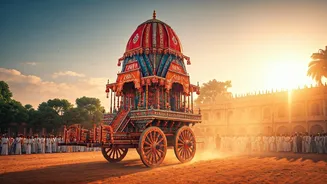
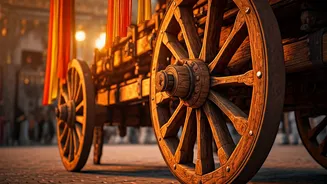
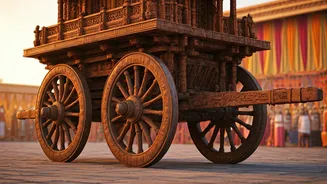
Imagine a structure, several stories high, adorned with bright fabrics, intricate carvings, and towering canopies, moving not by engine but by the sheer force of human devotion. This is the heart of a Rath Yatra, or chariot festival. Hundreds of thousands,
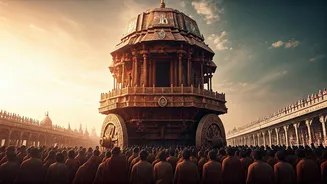
sometimes millions, of people gather to pull the ropes of massive chariots carrying deities. The most famous of these is the Puri Rath Yatra in Odisha, where three majestic chariots dedicated to Lord Jagannath, his brother Balabhadra, and sister Subhadra make their annual journey to the Gundicha Temple. The energy is electric, a powerful mix of spiritual fervour, communal celebration, and living history. It’s an immersive experience that transcends simple sightseeing, pulling you into the very pulse of a tradition that has endured for centuries.
A Journey of Faith and Culture
At its core, a Rath Yatra is a profound spiritual event. It symbolizes the journey of the divine, making itself accessible to all, irrespective of caste or creed. Devotees believe that even a glimpse of the deities on their chariots, or a touch of the ropes used to pull them, can bring immense blessings. But the significance extends beyond religion. These festivals are vibrant showcases of regional culture, art, and music. The chariots themselves are masterpieces of craftsmanship, rebuilt annually by dedicated teams of artisans. The processions are accompanied by traditional music (sankirtan), dance performances (like the Odissi), and martial arts displays. For a traveller, it offers a multi-sensory window into the soul of a community, where faith, art, and public life merge into one unforgettable spectacle.
The Post-Pandemic Hunger for Meaning
After years of lockdowns and restricted movement, there is a palpable shift in why and how people travel. The era of generic, cookie-cutter holidays is giving way to a search for authenticity and connection. Travellers, particularly within India, are increasingly seeking experiences that are rooted in heritage and offer a sense of participation. Chariot festivals perfectly fit this new paradigm. They are not curated tourist shows; they are raw, powerful, and deeply authentic events that have been happening for generations. Participating in a Rath Yatra, even as an observer on the periphery, allows one to feel part of something vast and timeless. This desire for meaningful journeys is a key reason why these festivals are seeing renewed interest and massive turnouts, becoming powerful symbols of cultural travel’s robust comeback.
Beyond Puri: A Nationwide Phenomenon
While the Puri festival is the most iconic, the tradition of Rath Yatra is celebrated across the country, each with its own unique flavour. In Ahmedabad, Gujarat, the Rath Yatra is one of the state's largest public events, with a procession that winds through the old city. West Bengal, particularly in Mahesh near Serampore, hosts the second oldest Rath Yatra in India, drawing huge crowds. You can find similar, if smaller, chariot festivals in cities like Hyderabad, Chennai, and countless towns and villages. This widespread nature demonstrates that the appeal is not isolated. It's a nationwide cultural undercurrent, a shared heritage that binds diverse communities. For the culture-hungry traveller, this means opportunities to witness this tradition are accessible in many parts of the country, offering different scales and regional contexts.
From Spectator to Participant
What sets these festivals apart from conventional tourism is the blurring of lines between spectator and participant. You aren’t just watching from a distance; you are in the midst of the energy. The collective effort of pulling the chariot, the shared chants, and the communal feasting that often follows create a powerful sense of belonging. This is the new face of experiential travel. It’s less about ticking off a landmark from a checklist and more about immersing oneself in a living, breathing cultural moment. It’s about understanding that culture is not just something to be observed in a museum but something to be felt, heard, and experienced in the company of thousands of fellow humans. These festivals offer a direct, unfiltered connection to India’s spiritual and cultural fabric.