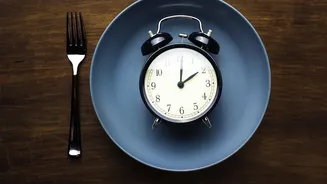







Your Body's Clock vs. Your Work Clock
Every person operates on an internal 24-hour cycle known as the circadian rhythm. This biological clock is managed by a part of your brain that responds to light and dark, telling your body when to be alert and when to rest. It also directs other functions,
like hormone release and digestion. Your digestive system is primed to be most active during the day. At night, it naturally slows down, preparing for a period of rest and repair. When shift work forces you to be awake and eating at night, you're asking your body to digest food at a time it's programmed to be winding down. This conflict between your internal clock and your work schedule is called circadian misalignment, and it's at the heart of many health issues faced by shift workers.
The Health Risks of Nighttime Eating
Eating heavy meals late at night can have significant consequences for your metabolic health. When your metabolism is naturally slower, your body is less efficient at processing sugars and fats. Research shows that eating at night can lead to higher blood sugar and insulin levels, increasing the long-term risk of developing type 2 diabetes, obesity, and cardiovascular disease. This metabolic strain occurs because the same meal eaten at 2 a.m. is processed differently than it would be at 2 p.m. Studies have found that late-night eating can also disrupt appetite-regulating hormones, making you feel hungrier while burning calories at a slower rate. This can contribute to weight gain and digestive issues like bloating and indigestion.
Strategy 1: Time Your Main Meal Wisely
The single most effective strategy is to eat your largest, most substantial meal before your shift begins, ideally during daylight or early evening hours. This is when your body's digestive processes are at their peak and can handle the food most efficiently. Think of this as your 'main dinner,' even if it feels early. A balanced meal containing lean protein, complex carbohydrates, and vegetables will provide sustained energy to power you through the first part of your shift. This approach helps prevent the metabolic slowdown associated with a large meal in the middle of the night. By fueling up when your body is ready, you work with your circadian rhythm, not against it.
Strategy 2: Opt for Light Mid-Shift Snacks
If you feel hungry during your shift, avoid a large, heavy meal. Instead, plan for small, light, and easily digestible snacks. The goal is to maintain energy levels without overburdening your resting digestive system. Excellent choices include high-protein options that promote fullness, such as Greek yogurt, a hard-boiled egg, or a handful of unsalted nuts. Other good snacks are hummus with vegetable sticks, whole-grain crackers with cheese, or a piece of fruit. It's best to avoid sugary snacks, fried foods, and highly processed carbohydrates, as they can cause an energy spike followed by a crash, increasing sleepiness. Experts often recommend minimizing or avoiding food intake altogether between midnight and 6 a.m. if possible.
Strategy 3: Plan and Prepare Your Food
Planning is your best defence against the temptation of vending machines and unhealthy takeout. Taking time on your days off to meal prep can make a huge difference. Cook proteins like chicken or fish in batches, prepare containers of cut vegetables, and portion out healthy snacks like nuts or seeds. Having grab-and-go options ready eliminates decision-making when you're tired. This also allows you to control the ingredients and avoid the excess sugar, salt, and unhealthy fats common in convenience foods. Investing in a good lunch bag or cooler will ensure your healthy food stays fresh and appealing throughout your shift.
Strategy 4: Hydrate Smartly and Limit Caffeine
Staying hydrated is crucial for maintaining energy and cognitive function, but what you drink matters. Water should be your primary beverage. Try to sip it consistently throughout your shift rather than waiting until you feel thirsty. Herbal tea is another good option. While caffeine can be a helpful tool for alertness, timing is everything. Consume coffee or tea early in your shift to avoid it interfering with your ability to sleep when you get home. It's generally advised to stop all caffeine intake at least six hours before you plan to go to bed. Avoid sugary energy drinks, which often lead to an energy crash.