







The Great Moisture Misconception
We often associate humidity with dewy, hydrated skin, but the reality is more complex. When humidity levels spike above 70%, the air contains more moisture than your skin’s top layer. This sounds good, but it creates an occlusive effect, tricking your skin into
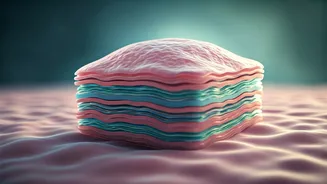
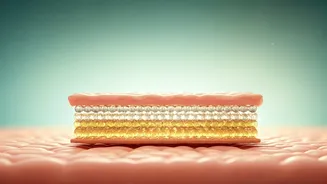
thinking it's over-hydrated. This can swell the surface skin cells, disrupting the tightly packed lipid barrier that protects you from irritants and locks in true moisture. A compromised barrier is a weakened barrier, making your skin vulnerable to inflammation, sensitivity, and infections.
How Humidity Triggers Problems
The primary issue is a perfect storm for breakouts and infections. The humid environment signals your sebaceous glands to produce more oil. This excess sebum, combined with sweat and dead skin cells that become 'gummy' in the damp air, is a recipe for clogged pores. Furthermore, the warm, moist conditions are an ideal breeding ground for bacteria (like P. acnes, which contributes to pimples) and fungi (like Malassezia, which can cause fungal acne and other rashes). Your 'healthy' skin suddenly becomes an environment where these microbes can thrive, leading to greasiness, blackheads, and stubborn breakouts.
Adjust Your Cleansing Strategy
Your first line of defence is a proper cleansing routine. During the monsoon, it's crucial to wash your face twice a day to remove the build-up of sweat, oil, and grime. However, resist the urge to use harsh, stripping cleansers that leave your skin feeling 'squeaky clean'. This will only damage your skin barrier further. Instead, opt for a gentle, pH-balanced, non-foaming or lightly foaming cleanser. If you have oily or acne-prone skin, a cleanser with a small amount of salicylic acid can be beneficial for keeping pores clear without over-drying.
Exfoliate, But With Caution
With dead skin cells getting stickier, exfoliation becomes more important. It helps prevent pore congestion and keeps your complexion from looking dull. However, this is not the time for aggressive physical scrubs, which can create micro-tears in your already vulnerable skin. Switch to gentle chemical exfoliants. Products containing Lactic Acid (an AHA) or Salicylic Acid (a BHA) used two to three times a week can effectively dissolve the bonds holding dead cells to the surface, revealing fresher skin underneath without causing physical irritation.
Lighten Your Moisturiser Load
It might seem counterintuitive to moisturise when the air feels so wet, but skipping this step is a mistake. Your skin still needs hydration, just a different kind. Heavy, oil-based creams that served you well in winter will feel suffocating and can clog pores in high humidity. This is the season to switch to lightweight formulas. Look for gel-based, water-based, or lotion-consistency moisturisers. Ingredients like hyaluronic acid and glycerin are excellent as they pull moisture from the air into your skin without adding weight or oiliness. Ensure your product is labelled 'non-comedogenic' to minimise the risk of breakouts.
Never Forget Sunscreen
Cloudy monsoon days are deceptive. Up to 80% of the sun's harmful UV rays can penetrate through the cloud cover, causing sun damage, accelerating ageing, and worsening post-acne marks. Sunscreen is a non-negotiable final step in your morning routine, regardless of the weather. Given the humidity and potential for sweating, look for a lightweight, broad-spectrum sunscreen with at least SPF 30. Gel or fluid-based formulas are often more comfortable during this season than thick, creamy ones.