


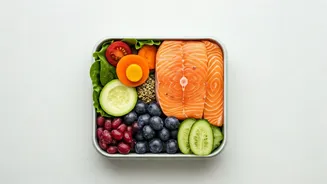



The Return of the Thoughtful Lunch
As many employees have settled into hybrid schedules, their lunchtime habits are changing. The pandemic gave many people a chance to reconnect with their kitchens, and they're bringing those new skills and habits back to the office. This shift is driven
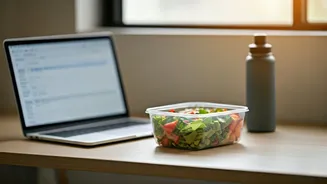
by a few key factors. Firstly, there's the economic reality of 'lunchflation,' with the cost of salads and sandwiches rising significantly. Secondly, there's a renewed focus on health and wellness. Many recognize that a nutritious, home-prepped meal can prevent the afternoon energy crash often associated with high-carb or processed takeout food. Planning meals provides a sense of control over ingredients and nutrition that dining out rarely offers.
More Than Just Saving Money
While the financial benefits of bringing your own lunch are clear, the advantages go much deeper. One of the most significant perks is the reduction of decision fatigue. By planning ahead, you eliminate a recurring daily stressor, freeing up mental energy for more important tasks. Having a ready-made meal also helps establish a routine and encourages taking a proper break, rather than skipping lunch or mindlessly eating at your desk. Furthermore, meal prepping is a powerful tool for achieving personal health goals, whether that's managing weight, building better nutritional habits, or simply having more sustained energy throughout the workday.
A Simple System for Success
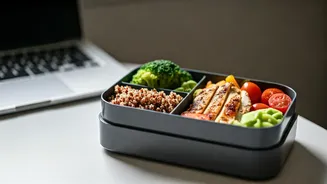
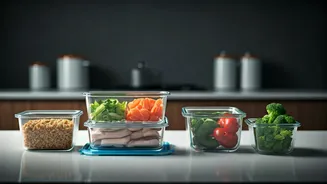
Getting started with meal planning doesn't have to be complicated. The key is to create a system that works for you. A popular and effective method is batch cooking, where you prepare core ingredients like grilled chicken, roasted vegetables, or grains on a Sunday to be used in various combinations throughout the week. This drastically cuts down on daily cooking time. Investing in quality containers, preferably glass ones that don't retain odors, also makes the experience more pleasant and practical. Another useful strategy is to start small. Instead of planning for the entire week, begin with two or three days to build the habit without feeling overwhelmed.
Mastering the Basics of Meal Prep
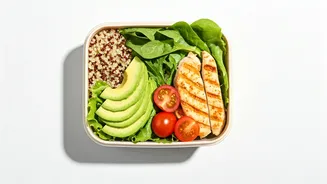
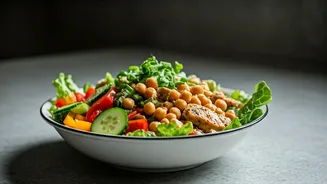
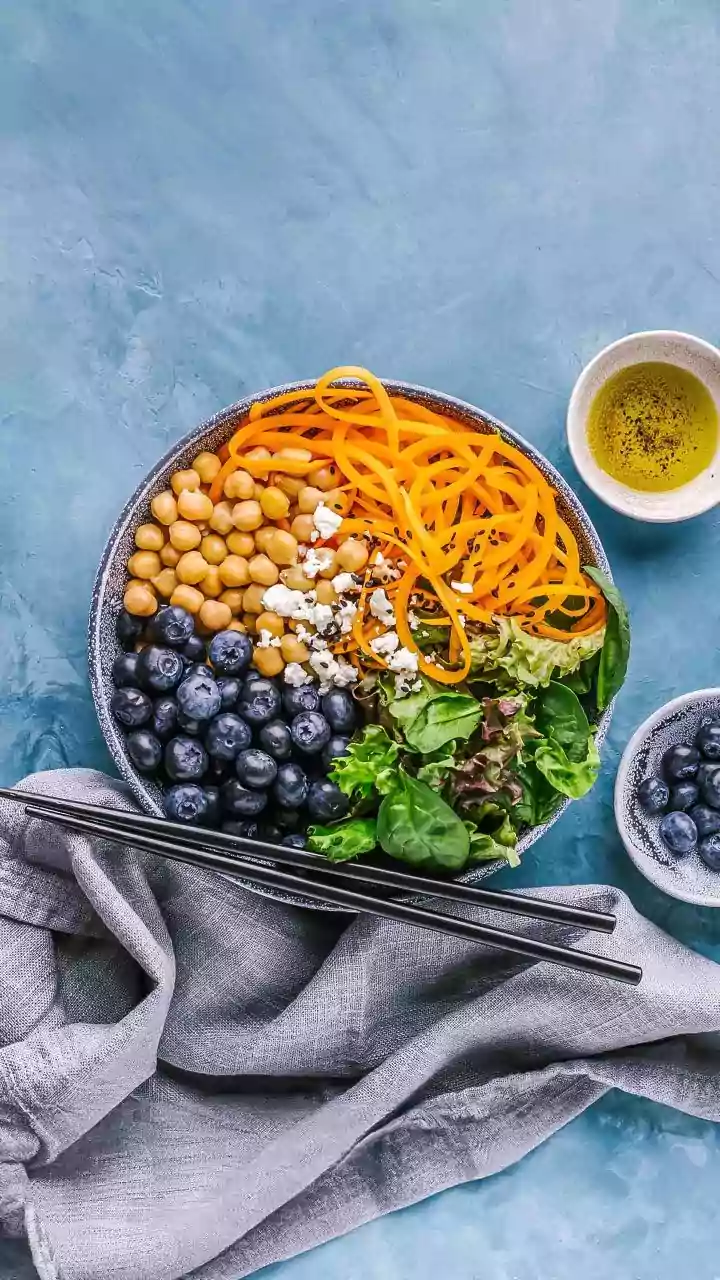
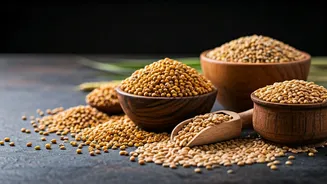
To make meal planning a sustainable habit, focus on simplicity and variety. Build your meals around a simple formula: a lean protein, a complex carbohydrate, and plenty of vegetables. Think grain bowls, hearty salads, or wraps. To avoid flavour fatigue, keep a 'flavor station' at your desk with items like olive oil, salt, pepper, or your favorite hot sauce. Shopping smart is also crucial. Buying grains in bulk and focusing on seasonal produce can make healthy eating more affordable. And don't forget that frozen fruits and vegetables are just as nutritious and often cheaper than fresh.
Navigating Office Food Culture
Bringing your own lunch doesn't mean you have to miss out on social opportunities with colleagues. If a team lunch is planned, simply adjust your meal prep schedule for that week. On other days, taking your prepped meal to the breakroom can still foster connection and conversation. In fact, sharing healthy eating habits can sometimes inspire coworkers. Being prepared with your own nutritious options also makes it easier to politely decline less healthy office snacks or treats without feeling deprived. Ultimately, planning your meals is about taking control of your choices in a way that supports both your professional performance and your personal well-being.