





Embracing Winter's Bounty
Eating seasonally is a tradition deeply rooted in Indian culinary wisdom. Winter, or 'Shishir Ritu' in Ayurveda, is a time when the body’s digestive fire is considered strongest, making it ideal for richer, more nourishing foods. Nature provides exactly
what we need: a harvest of dense root vegetables, warming millets, and nutrient-packed leafy greens that help the body stay warm and build immunity against common winter ailments like colds and coughs. These foods are not just ingredients; they are time-tested tools for staying healthy and energized during the colder months.
Go Down to the Roots
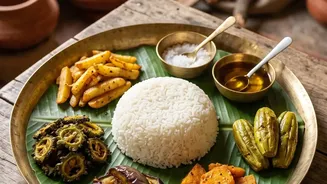
Winter markets are overflowing with root vegetables, which grow underground and absorb a wealth of nutrients from the soil. Carrots ('gajar'), radishes ('mooli'), turnips ('shalgam'), and sweet potatoes ('shakarkandi') are at their peak during this season. These vegetables are grounding and provide sustained energy. Carrots, especially the sweet red 'Delhi' variety, become a household staple, famously used in the decadent 'Gajar Ka Halwa'. Radishes are often stuffed into parathas for a hearty breakfast, while sweet potatoes can be roasted or used in complex dishes like 'Undhiyu', a mixed vegetable specialty from Gujarat.
Switch to Warming Grains
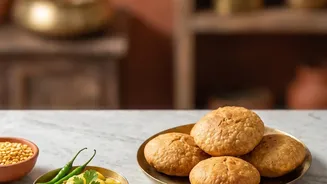
Winter is the perfect time to switch from lighter grains to more robust millets that have a natural warming effect on the body. Pearl millet ('bajra'), sorghum ('jowar'), and maize ('makki') are excellent choices. Bajra, popular in Rajasthan and Gujarat, is known to generate heat during digestion, keeping you warm for hours. It is rich in iron, magnesium, and fiber, which aids digestion—a common concern as our metabolism slows in the cold. The iconic Punjabi winter meal of 'Makki di Roti' with 'Sarson da Saag' is a perfect example of pairing a warming grain with a seasonal green.
The Season for Leafy Greens
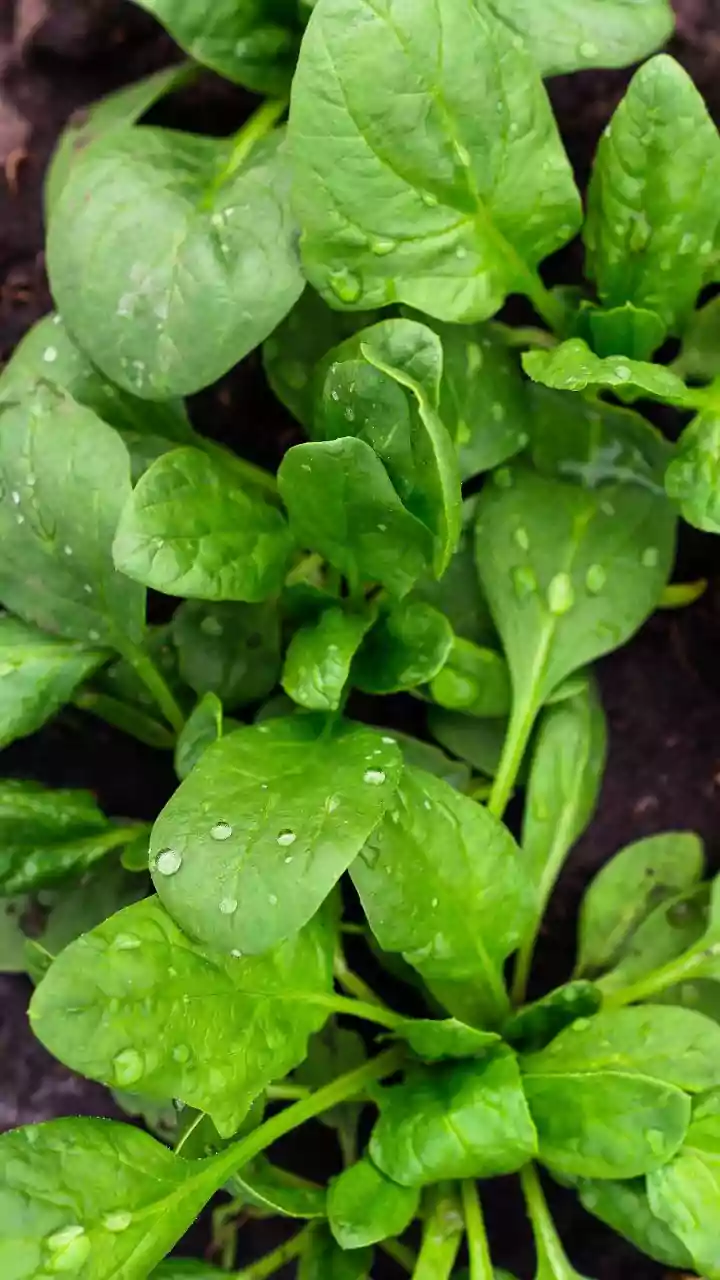
While available year-round, certain leafy greens are at their absolute best in winter. Mustard greens ('sarson'), fenugreek leaves ('methi'), and spinach ('palak') are abundant. Sarson is famously slow-cooked with spices to create the creamy and flavourful 'Sarson da Saag'. Methi leaves, known for their slightly bitter but aromatic flavour, are used in everything from flatbreads ('thepla' and 'paratha') to vegetable stir-fries like 'Aloo Methi'. These greens are packed with essential vitamins A, C, and K, which help bolster the immune system.
The Power of Winter Spices
Indian winter cooking would be incomplete without its array of warming spices. Spices like ginger ('adrak'), turmeric ('haldi'), cloves ('laung'), and cinnamon ('dalchini') are used more generously during this season. Ginger is a well-known remedy for colds and sore throats, making 'adrak wali chai' a winter morning essential. Turmeric is a powerful anti-inflammatory and immunity booster, often consumed in warm milk ('haldi doodh'). These spices not only add deep, aromatic flavors to dishes but also improve circulation and digestion, providing a natural defense against the winter chill.