




An Annual Affliction With a New Urgency
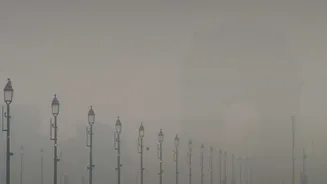
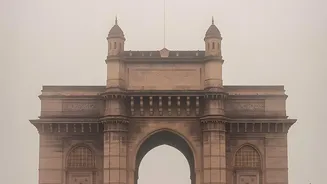
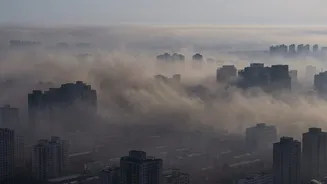
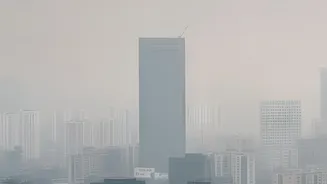
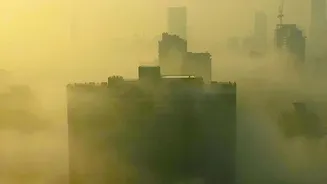
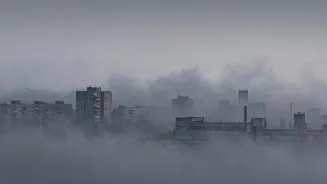
November in Delhi has become synonymous with dangerously poor air quality, and 2026 is no exception. On November 13, the city's Air Quality Index (AQI) was recorded in the 'severe' category. This predictable environmental crisis has triggered a familiar
set of emergency responses: schools for younger children have shifted to online or hybrid classes, outdoor sports have been discouraged, and government and private offices have been advised to operate with 50% staff from home to reduce traffic. While these measures are designed to protect physical health, they inadvertently trap children indoors, creating a high-pressure environment that experts warn is taking a significant toll on their mental well-being.
The Compounding Effect of Confinement
The problem is not just the toxic air itself, but the consequences of the solutions. Confining children to their homes, away from friends and playgrounds, creates a secondary set of stressors. Experts note that the lack of physical activity and social interaction is a major blow to a child's holistic development. Schools are not just places for academic learning; they are crucial hubs for developing social skills like cooperation, negotiation, and making friends. When these interactions are replaced by hours of screen time for online classes, the developmental cost can be high. Studies conducted since the pandemic have already shown that forced online education has had an adverse impact on the emotional well-being of students, with many reporting feelings of irritation and frustration.
From Screen Time to Anxiety
The shift to online classes, while necessary, opens the door to another well-documented contributor to youth anxiety: excessive screen time. Research has consistently linked high screen use with emotional and behavioural problems in children, including anxiety, depression, and difficulty with focus. The constant stimulation from screens can disrupt sleep patterns and make it harder for children to regulate their emotions. For many parents in Delhi, this creates an impossible choice. They are forced to weigh the immediate, visible threat of air pollution against the silent, creeping risks of social isolation and the psychological impact of a life lived predominantly through a screen.
What Health Experts Are Observing
Mental health professionals and pediatricians are increasingly vocal about this issue. They argue that air pollution should not be seen in isolation. Dr. Pradeep B.S. of NIMHANS explains that the loss of opportunity to play can itself become a source of distress for children. Emerging research also links long-term exposure to pollutants like PM2.5 with changes in brain structure and an increased risk of neurological and mental health problems, including stress and anxiety. Doctors are witnessing the direct physical impacts as well, with hospitals reporting a sharp rise in children presenting with respiratory illnesses. This combination of physical sickness and psychological stress creates a vicious cycle, where a child's overall well-being is under constant attack.
A Call for a More Holistic Approach
The annual 'smog break' and shift to online learning are becoming a recurring feature of life in the capital. However, the current debate highlights the urgent need for solutions that don't sacrifice mental health for the sake of physical safety. Parents and experts are calling for a more integrated approach to public health—one that acknowledges the profound psychological impact of living under a perpetual blanket of smog. This includes building better infrastructure for indoor activities, integrating mental wellness into the online curriculum, and, most importantly, addressing the root causes of air pollution so that children are not forced to choose between breathing clean air and living a full, interactive childhood.