

The New Faces and Maiden Call-ups
The biggest talking points from the squad announcement are the maiden ODI call-ups for all-rounder Naman Dhir and Jammu and Kashmir pacer Auqib Nabi. Nabi, who was part of the Test squad for the Sri Lanka tour without getting a game, finally gets his
white-ball opportunity after an impressive domestic season. Dhir's inclusion is a nod to his recent performances, rewarding a player who has shown promise in domestic cricket. Also getting a key opportunity is all-rounder Nitish Kumar Reddy, who was withdrawn from the Asian Games squad to be included in the ODI setup, highlighting the selectors' desire for a seam-bowling all-rounder in Hardik Pandya's absence. These selections suggest a clear focus on building depth and rewarding domestic performers.
Veterans Return, Others Rested
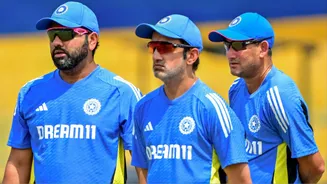
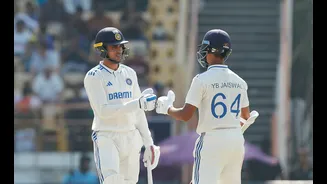
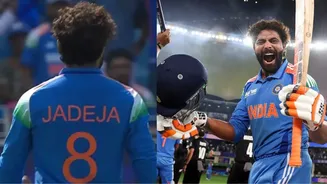
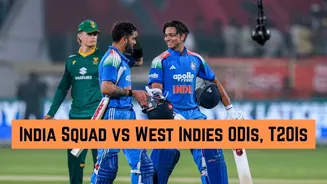
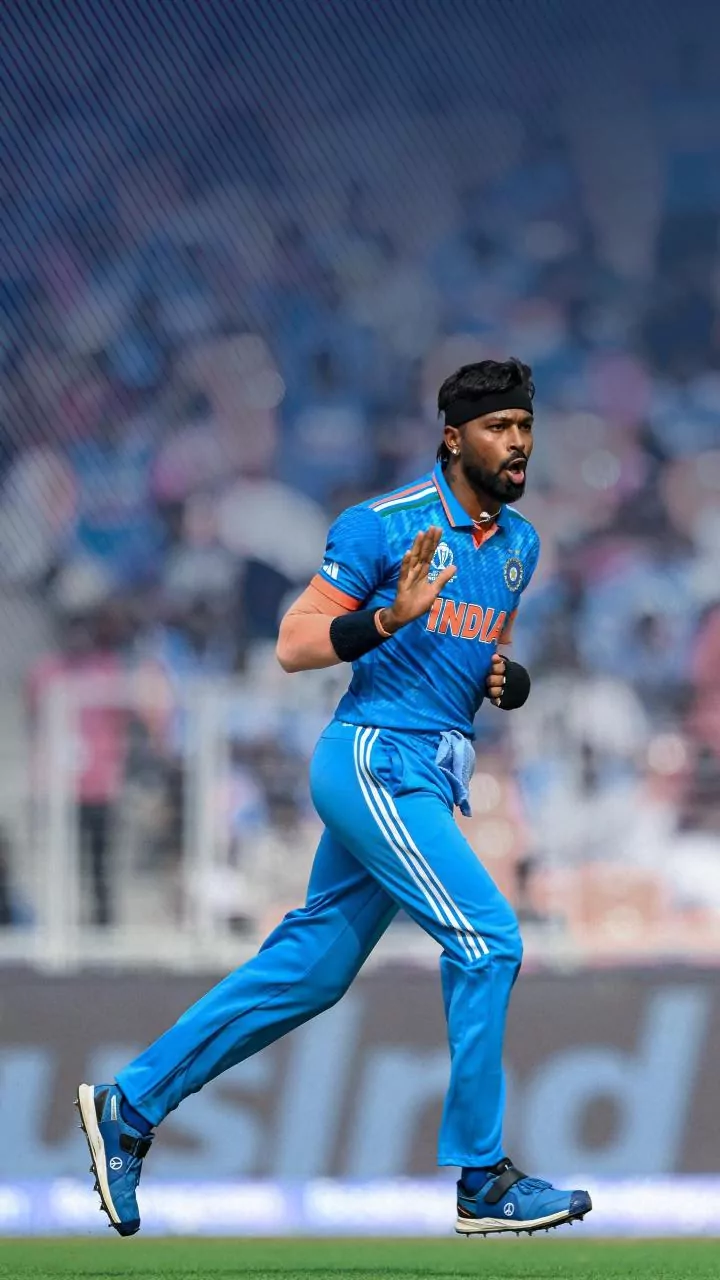
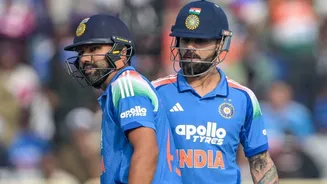
In the ODI squad, stalwarts Rohit Sharma and Virat Kohli have been retained, ending speculation about their immediate future in the 50-over format. Their presence provides a steady hand as Shubman Gill continues his captaincy tenure, with KL Rahul appointed as his deputy. Veteran all-rounder Ravindra Jadeja also returns to the ODI fold. However, the squads are notable for who is missing. All-rounder Hardik Pandya and wicketkeeper-batsman Rishabh Pant have not been selected for either the ODI or T20I series. While Pandya's absence is reportedly due to him needing to prove his fitness, Pant has been named captain of the Rest of India squad for the Irani Cup, suggesting he is still in the selectors' plans but is being given a different route back to the top.
A Split-Captaincy and Future Focus
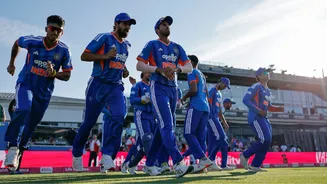
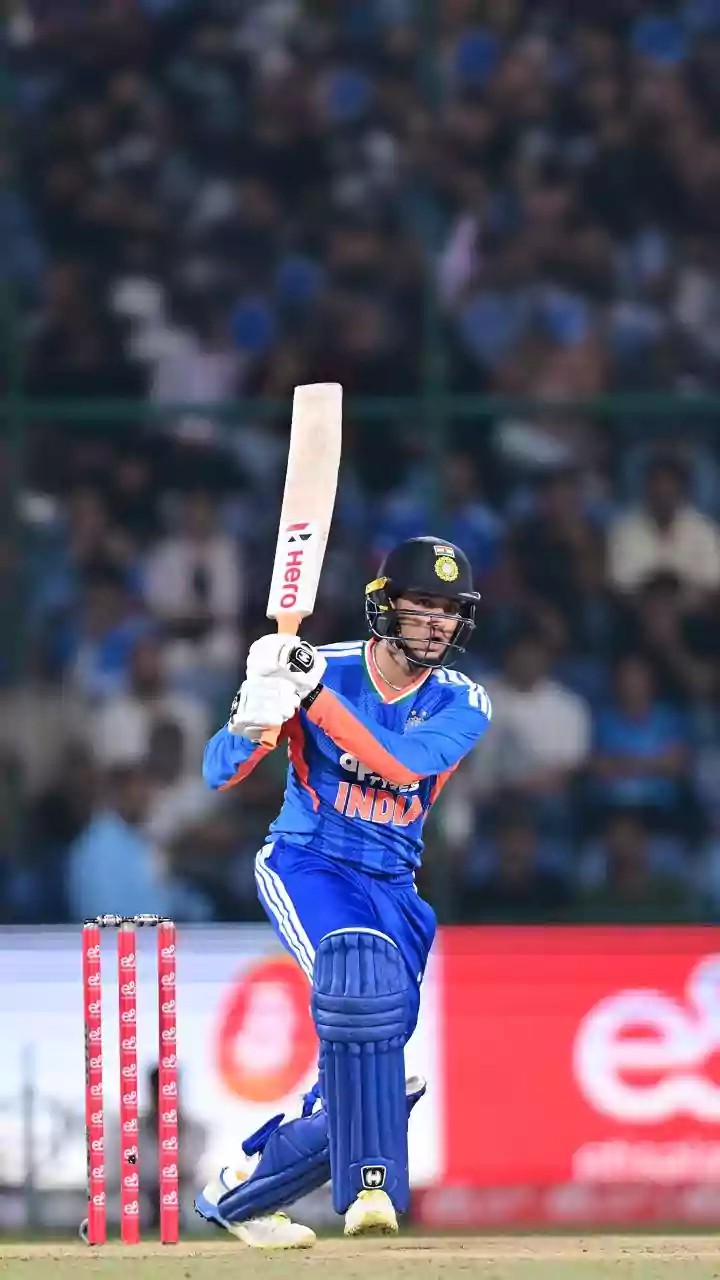
The selectors have continued with a split-leadership approach. Shubman Gill will lead the ODI side, while Shreyas Iyer will take charge of the T20I team upon his return from Asian Games duty. This strategy allows for specialized leadership in different formats and manages the workload of key players. The ODI squad, led by Gill, seems geared towards building a core for the 2027 World Cup, blending youth with the experience of Kohli and Sharma. Ruturaj Gaikwad's return to the ODI side is also a significant move, likely positioning him for a middle-order role. The T20I squad, largely composed of players from the Asian Games and recent T20I assignments, points towards a focus on explosive, multi-skilled players like Abhishek Sharma, Shivam Dube, and Tilak Varma.
Changes in the T20 Bowling Attack
The T20I squad sees a refreshed bowling unit. Kuldeep Yadav makes a welcome return to the T20I setup for the first time since the T20 World Cup earlier this year. The pace duo of Mayank Yadav and Prince Yadav are also back in the fold after missing the recent Afghanistan series. Their inclusion, along with Arshdeep Singh, points to a strategy of nurturing a pool of young, fast bowlers. Notably, Jasprit Bumrah has been rested for the T20Is as he will be part of the Asian Games campaign, and spinner Varun Chakaravarthy was ruled out due to a side strain. This reshuffle provides a crucial platform for the likes of Ravi Bishnoi and Washington Sundar to stake their claim as mainstays in India's T20 plans.