








Why Monsoon Moisture is Furniture's Enemy
Wood is a natural, porous material that breathes, absorbing and releasing moisture from the air. During the monsoon, when humidity levels can soar above 80%, this becomes a serious problem. Wood fibres soak up airborne moisture, causing them to swell.
This is why drawers start sticking and solid wood doors refuse to close properly. This repeated cycle of swelling and then shrinking in a drier environment can lead to permanent warping, cracking, and weakened joints. Beyond solid wood, materials like MDF and particleboard are even more vulnerable, as they can swell and disintegrate when wet. Upholstered items are not safe either, as dampness encourages mould, mildew, and musty odours that are difficult to remove.
Pre-Move Prep: Your First Line of Defence
Protection begins weeks before the moving truck arrives. Start by thoroughly cleaning and, most importantly, drying every piece of furniture. Any existing grime can trap moisture and encourage fungal growth. Check the finish on your wooden pieces. A fresh coat of wax or a quality polish can act as a protective barrier, slowing down moisture absorption. For furniture with drawers or cabinets, consider placing moisture absorbers like silica gel packs inside a few days before the move. This helps reduce the internal humidity. Finally, if possible, run a dehumidifier or use the dry mode on your air conditioner in the rooms where furniture is stored to lower the ambient moisture before packing begins.
Packing Smart: Create a Waterproof Barrier
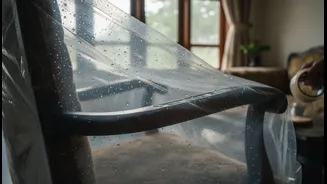
On a rainy moving day, standard cardboard and a single layer of plastic won't be enough. Professional movers recommend a multi-layered approach. For wooden and upholstered furniture, the gold standard is a layer of moving blankets covered securely by waterproof plastic sheeting or stretch wrap. This combination cushions the item while providing a robust moisture barrier. Pay special attention to corners, joints, and legs, ensuring they are fully sealed. For extremely sensitive items, especially those made of engineered wood, insist on wrapping the entire piece in stretch film to seal every edge. Do not use plastic wrap alone for long-term storage, as it can trap condensation; however, for the short duration of a move, it is an effective shield against rain.
Moving Day: Speed, Cover, and Care
The goal on moving day is to minimise your furniture's exposure to the elements. Ensure you hire movers who use a closed, waterproof truck—this is non-negotiable. Plan the move for early in the morning, as monsoon showers are often less intense then. Create a clear, covered path from your door to the truck if possible. Use tarps or large sheets to protect floors at both your old and new homes, as wet, muddy feet create slip hazards. The loading and unloading process should be efficient. Load water-sensitive items like furniture last so they can be unloaded first upon arrival, reducing the time they spend in the truck. Any piece that gets wet during transit should be wiped down with a dry cloth immediately before being taken inside.
Post-Move Acclimatisation: Don't Rush It
Once your furniture is inside your new home, the job isn't finished. The first 24 hours are critical for letting the pieces acclimatise. If any item feels damp, wipe it down again and use fans to circulate air around it. Avoid placing furniture directly against walls, especially external ones which may hold moisture. Leave a gap of a few inches to allow for air circulation. Open windows for cross-ventilation whenever there's a break in the rain. Let the furniture 'breathe' and adjust to the new environment's temperature and humidity before pushing it into its final position. Unpack plastic-wrapped items promptly to prevent any trapped moisture from causing damage.