






Choose Fabrics Wisely
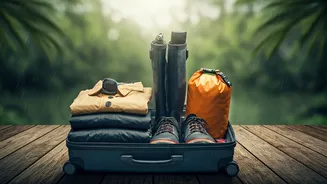
The golden rule of monsoon travel is to leave the cotton and denim at home. These heavy fabrics soak up water and can take days to dry in high humidity, leaving you with a suitcase of damp, musty clothes. [4, 22] Instead, opt for lightweight, quick-drying
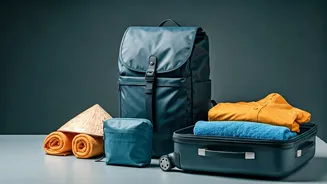
synthetic fabrics like polyester and nylon. [3, 15] These materials are breathable, wick moisture away from your body, and can be washed in a hotel sink and be ready to wear by morning. [3, 15] Packing clothes you can layer is also a smart strategy, as temperatures can fluctuate after a downpour. [4] Darker coloured clothing can be a practical choice to hide any mud or water splash marks. [4, 6]
Prioritise a Waterproof Fortress for Your Gear
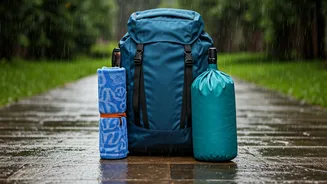
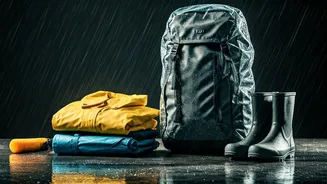
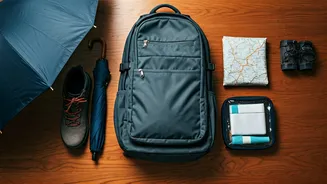
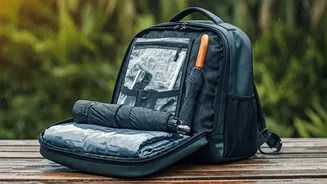
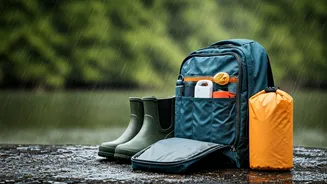
Keeping your belongings dry is the main battle. Start with a waterproof backpack or, at the very least, a reliable rain cover for your existing bag. [8] For an extra layer of security, use waterproof stuff sacks or compression bags inside your main luggage. [3] These not only keep your clothes dry but also help in organising and saving space. Don't underestimate the utility of simple zip-lock bags; they are perfect for protecting smaller items like your wallet, documents, chargers, and snacks from unexpected showers. [4, 8] For complete peace of mind, especially when near waterfalls or on boats, a dedicated dry bag is a worthwhile investment. [3, 12]
Rethink Your Footwear
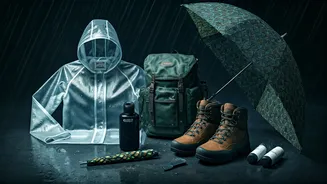
The wrong shoes can single-handedly ruin a monsoon trip. Leather, suede, and even canvas sneakers are poor choices as they get ruined by water and take a long time to dry. [2] The best options are rubber sandals, waterproof floaters, or any footwear with excellent grip and quick-drying properties. [4] These are ideal for navigating waterlogged streets and slippery paths. [4] Avoid smooth-soled flip-flops which can be hazardous on wet surfaces. [3] It’s always a good idea to pack an extra pair of shoes so you have a dry backup. [4]
Safeguard Your Electronics
Moisture is the enemy of all electronic gadgets. To protect your phone, camera, and other devices, use waterproof cases or pouches. [10, 12] A good waterproof phone case allows you to use your device even in the rain, while a larger pouch can hold multiple items. [10] When packing, create a double-layered defence by placing electronics in individual waterproof bags before putting them in your main backpack's padded compartments. [3] Humidity can be just as damaging as direct rain, so throwing a few silica gel packets into your electronics bag and general luggage can help absorb excess moisture. [3, 8, 13]
Pack a Monsoon-Specific Health Kit
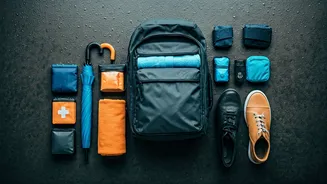
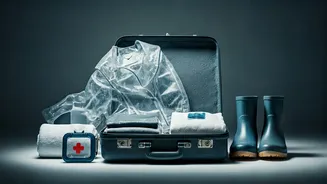
The rainy season can bring an increase in water-borne diseases and mosquitos. [5] Your first-aid kit should be tailored accordingly. Along with basics like bandages and pain relievers, be sure to include a strong insect repellent containing DEET. [2, 3] Antiseptic wipes, medication for stomach upsets, and hydration salts are also crucial additions. [6] Given the risk of contaminated water, it's wise to carry your own reusable water bottle and perhaps even water purification tablets, ensuring you stay hydrated safely. [5, 7]
Include These Smart Extras
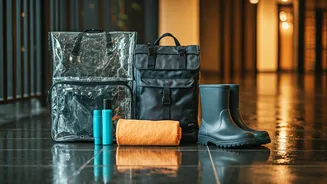
A few small items can make a huge difference. A compact, quick-dry microfibre towel is far more practical than a standard cotton one, as it dries quickly and packs small. [3, 6] A portable power bank is essential, as power outages can be more frequent during heavy rains. [2, 7] A small flashlight is also a good idea, as it can get dark earlier on overcast days. [2] Finally, carrying a few extra plastic bags is a simple hack for separating wet or dirty clothes from the clean items in your luggage. [3]