
The Perfect Season: Post-Monsoon Magic
Locals and seasoned travellers agree that the months of October and November are a sweet spot for visiting Sohra, formerly known as Cherrapunji. During this pre-winter period, the landscape retains the lush, vibrant greenery of the monsoon, but the torrential
downpours have subsided. This creates ideal conditions for sightseeing and photography, with waterfalls still flowing powerfully and valleys revealing clear, breathtaking views that are often hidden by mist during the rainy season. The weather is comfortable, the air is crisp, and the roads are much more reliable, making it the perfect time to explore the region’s natural treasures without the challenges of heavy rain or the thinner waterfalls of the drier winter months.
Essential Waterfalls to Chase
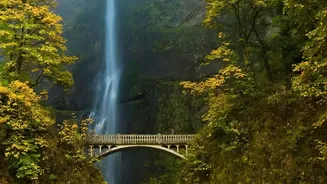
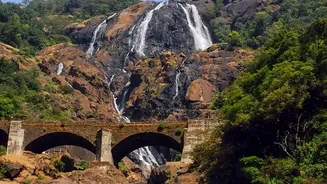
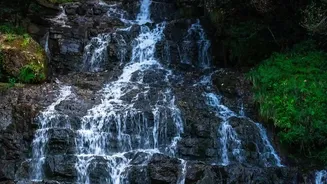
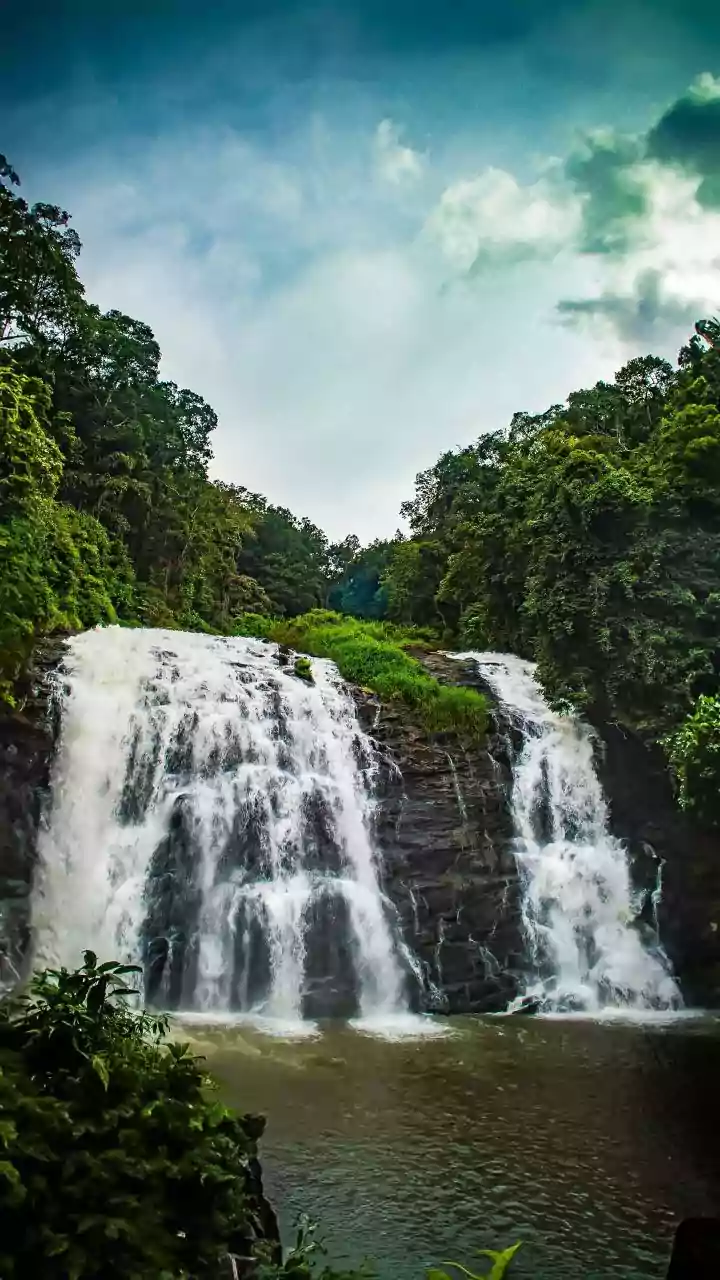
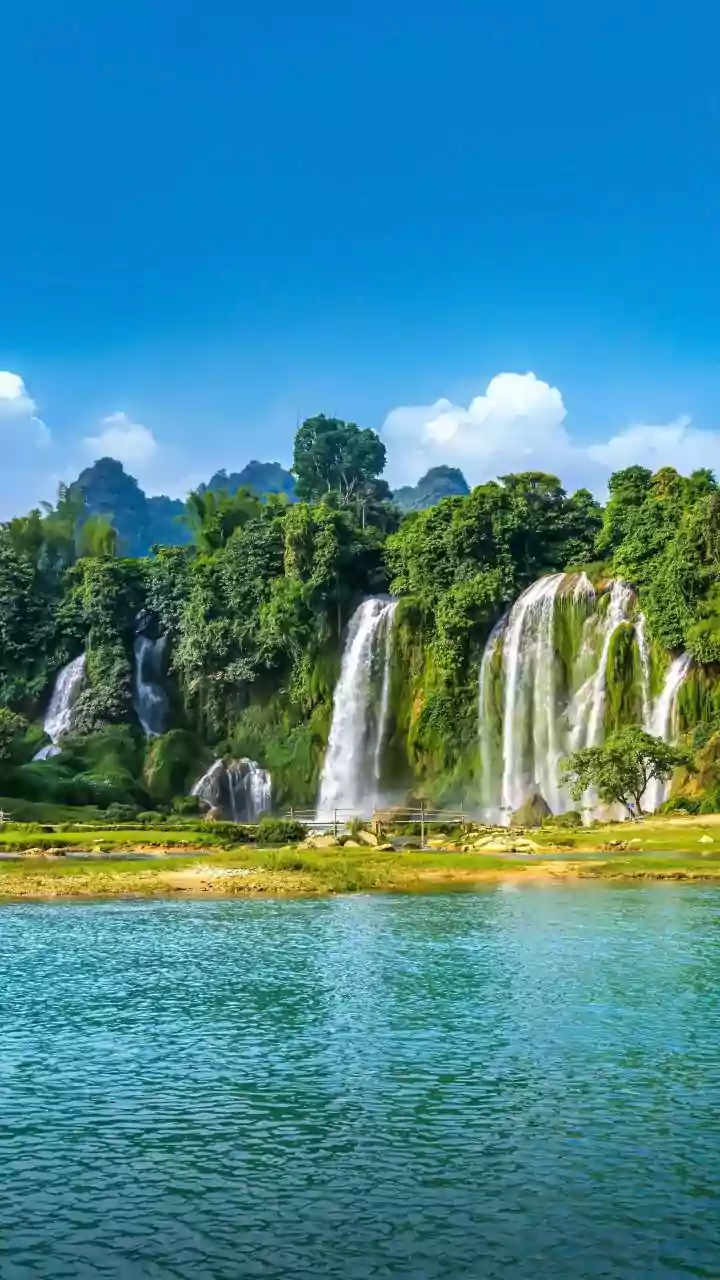
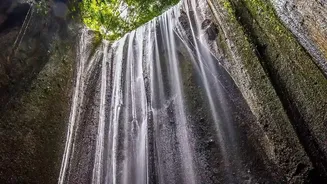
Sohra is a land of waterfalls, each with its own character. Your journey must include Nohkalikai Falls, India's tallest plunge waterfall, which cascades dramatically from a height of over 340 metres into a stunning turquoise pool. Equally famous is the Nohsngithiang Falls, or Seven Sisters Falls, a segmented cascade where seven streams tumble down limestone cliffs, offering a majestic sight, especially during sunrise or sunset. For a touch of adventure that goes beyond a simple viewpoint, make your way to the Wei Sawdong Falls. Reaching this three-tiered wonder requires a short but steep trek, but you are rewarded with the sight of crystal-clear water flowing into serene, layered pools—a truly offbeat experience.
Walking Across Living Marvels
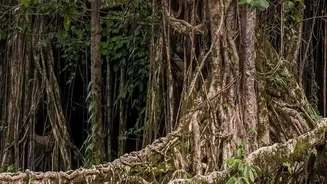
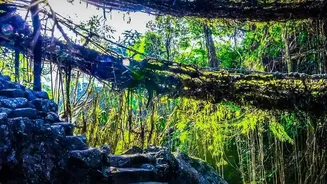
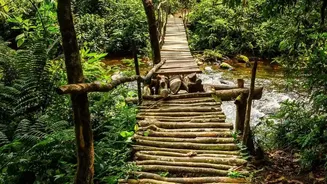
No trip to Meghalaya is complete without witnessing the engineering genius of the Khasi people: the living root bridges. The most iconic of these is the Umshiang Double-Decker Root Bridge in Nongriat village. Reaching it is an adventure in itself, involving a descent of roughly 3,500 stone steps from the village of Tyrna. The trek takes you through dense forests and across swaying suspension bridges before revealing the magnificent two-tiered structure grown from the roots of rubber fig trees. These bridges are a testament to the harmony between nature and humanity, becoming stronger with each passing year. For those seeking a quieter experience, several single-span root bridges are scattered throughout the region, many of which are less frequented by tourists.
Beyond the Famous Sights
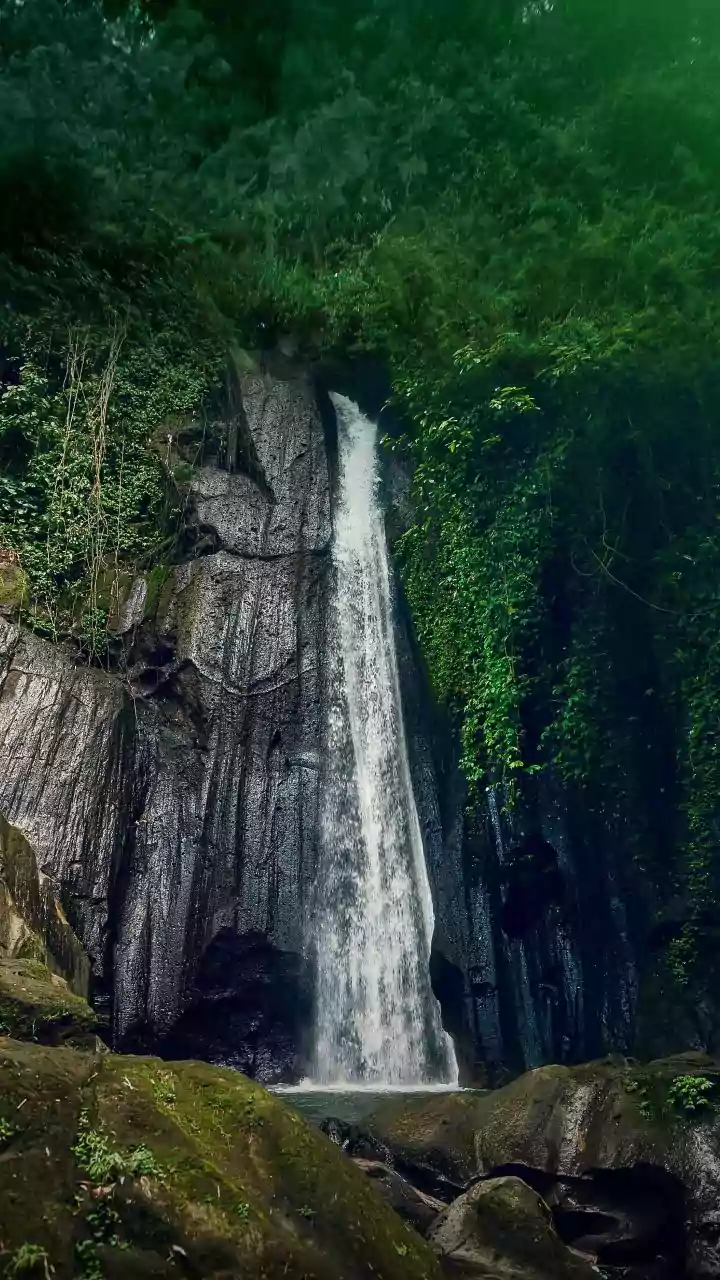
While waterfalls and bridges are the main draw, Sohra’s offbeat charm lies in its other natural formations. The Mawsmai Caves offer an easy and accessible introduction to the region's complex cave systems. These limestone caves are well-lit and allow you to walk through passages filled with fascinating stalactites and stalagmites. For a more rugged caving experience, the Arwah Caves are another excellent choice, known for their visible crustacean fossils embedded in the walls. Another worthy stop is Dainthlen Falls, a powerful waterfall steeped in local legend about a giant serpent. Unlike other falls with structured viewpoints, Dainthlen allows you to walk right up to the edge of the plateau where the water begins its descent, offering a raw and windswept experience.
Your Meghalaya Travel Toolkit
Packing for Sohra's unpredictable weather is key to a comfortable trip. Your bag must include a reliable waterproof jacket or poncho, as sudden showers are always a possibility. Clothing should be lightweight, quick-drying, and suitable for layering; a warm fleece or light jacket is essential for the cool evenings. The most crucial item is a pair of sturdy trekking shoes with excellent grip, as trails to waterfalls and root bridges are often slippery and uneven. Also, carry a small daypack for your excursions with a reusable water bottle, a power bank for your electronics, basic medications for motion sickness and minor injuries, and insect repellent. Since network connectivity can be patchy, downloading offline maps is a wise precaution.