




The Foundation: Waterproof Your Luggage
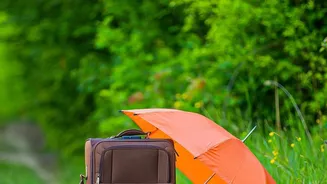
Your first line of defence is your bag itself. While a fully waterproof backpack is an excellent investment for frequent adventurers, a water-resistant one will suffice for most trips. The key is to add a layer of protection. Most outdoor-focused backpacks
come with a built-in rain cover tucked into a small pocket. If yours doesn't have one, they are sold separately and are a worthwhile, lightweight addition. For suitcases, a cover might not be practical, so the focus shifts to waterproofing from the inside out.
The Dry Zone: A Sanctuary for Valuables
Designate a core area of your bag as a strict no-moisture zone. This is for your essential items that absolutely cannot get wet: electronics, travel documents like your passport, and a single set of emergency dry clothes. Use waterproof dry bags or even humble Ziplock bags to create this sanctuary. Pack your laptop, camera, and chargers inside these protected pouches before placing them in the main compartment, preferably away from the seams of your luggage. This strategy ensures that even if your main bag gets damp, your most critical items remain safe and functional.
The Wet Zone: Isolate the Dampness
It’s inevitable: something will get wet. Be it a rain-soaked jacket, a dripping umbrella, or muddy clothes after a trek, you need a plan to isolate them. Pack a separate, reusable bag specifically for this purpose. A dedicated wet/dry pouch, a simple polybag, or a water-repellent packing cube works perfectly. Tossing a damp item into your main luggage can make everything else humid and lead to musty smells. By having a designated wet zone, you contain the moisture and prevent it from spreading, keeping your clean, dry clothes fresh.
The Clothing Edit: Choose Quick-Dry Fabrics
What you pack is as important as how you pack it. Leave heavy fabrics like denim and thick cotton at home; they absorb moisture and take ages to dry in humid conditions. Instead, build your wardrobe around lightweight, synthetic materials like polyester and nylon. These fabrics are often marketed as "quick-dry" or "moisture-wicking." They don't hold onto water, meaning they'll dry faster if you're caught in a shower or after a quick hotel-sink wash. A capsule wardrobe with a few mix-and-match pieces in these fabrics is a smart way to pack light and stay comfortable.
The Shoe Strategy: A Two-Pair Minimum
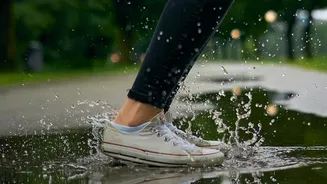
Shoes are often the bulkiest and most challenging items to pack for the rain. The best approach is to bring at least two pairs. One pair should be water-friendly footwear that you don't mind getting drenched, like rubber sandals or floaters, perfect for navigating wet streets. The second pair should be a dry backup, like sneakers or loafers, that you keep protected for evenings or indoor activities. Always pack shoes in separate shoe bags to prevent their soles from dirtying your clothes. To save space, you can stuff socks or other small items inside them.