



1. It Starts with a 'Why,' Not a 'What'
Before a single piece of furniture is moved, the minimal Zen layout begins with a question: How do you want to feel in this space? Unlike traditional minimalism, which can sometimes feel cold or purely aesthetic, this trend is rooted in the philosophy
of mindfulness. The goal isn't just to have less stuff, but to surround yourself only with things that serve a purpose, bring you joy, or create a sense of peace. It's about curating an environment that supports your mental well-being. Think of it as Marie Kondo's 'spark joy' principle blended with the ancient Zen focus on intention and presence. Every object has a reason for being there, which naturally leads to a less cluttered, more meaningful home.
2. Decluttering with Purpose
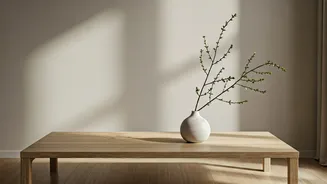
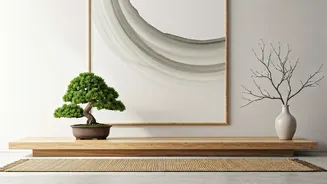
This isn't about a frantic weekend purge. Mindful decluttering is a slow, deliberate process. The focus is on letting go of the physical representations of mental clutter—the 'just in case' items, the guilt-driven heirlooms you don't love, and the impulse buys. The viral trend encourages creating 'empty' space, known in Japanese aesthetics as 'Ma.' This negative space is not seen as a void to be filled, but as a design element in its own right. It gives objects room to breathe and allows your mind to rest. Start with one small area, like a single shelf or a side table. Remove everything, clean the surface, and then only put back what is truly essential or beautiful. This simple act can transform the energy of an entire room.
3. A Palette Pulled from Nature
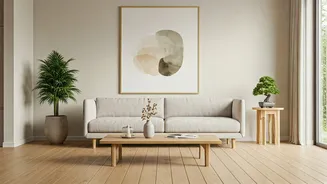
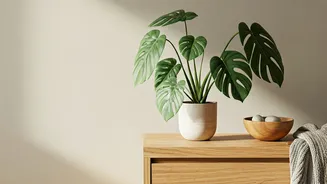
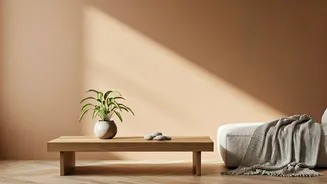
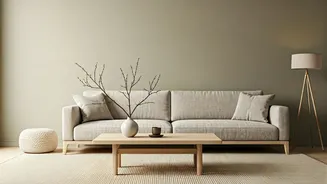
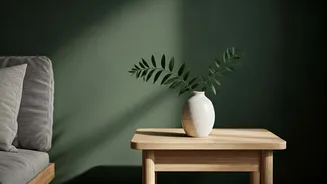
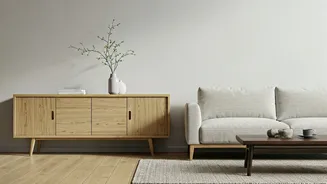
Forget stark, clinical white. The Zen-inspired palette is warm, earthy, and deeply connected to the natural world. Think of the colours of a quiet forest, a sandy beach, or a smooth river stone. Shades of beige, soft grey, muted green, and warm wood tones create a backdrop that is inherently calming. These colours don't shout for attention; they soothe. They work to reduce visual stimulation, helping to lower stress levels and promote relaxation. Accent colours, if used at all, are also derived from nature—a deep terracotta, a soft sky blue, or the dark green of a houseplant. The result is a cohesive, harmonious space that feels like a sanctuary from the outside world.
4. Celebrating Light and Openness
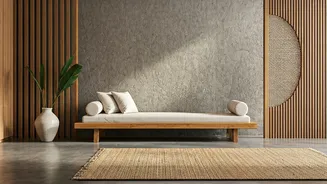
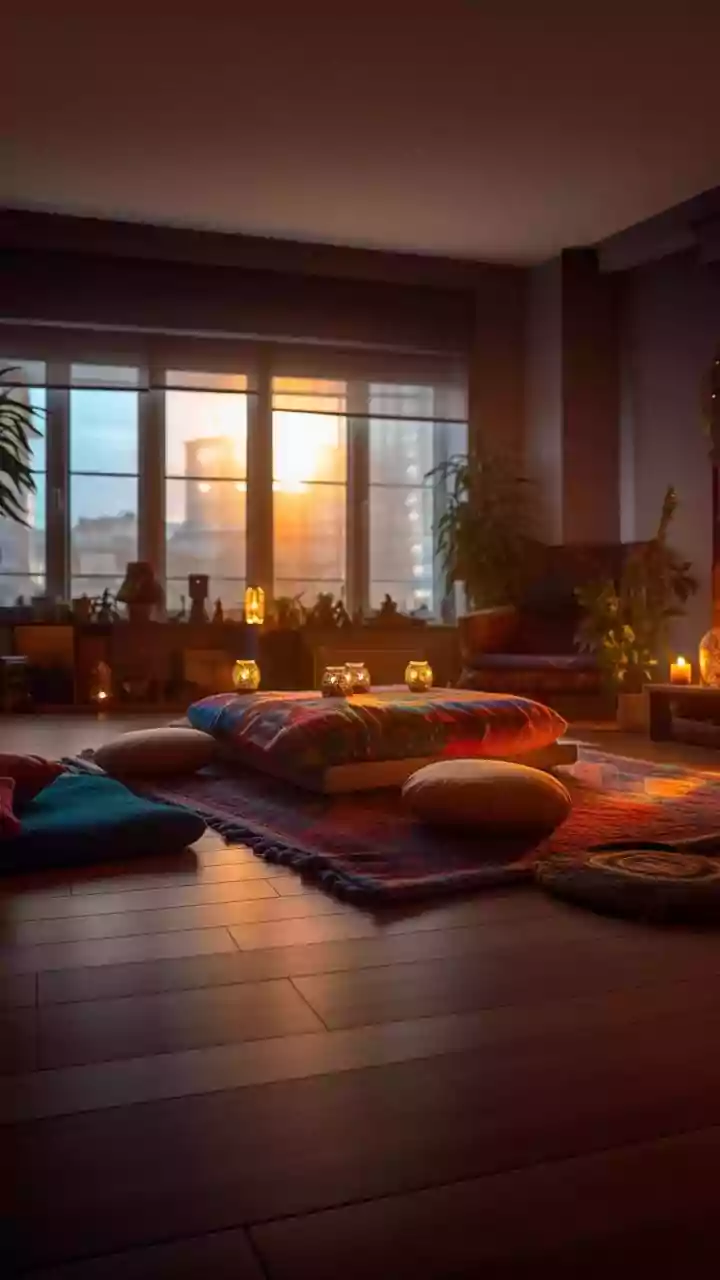
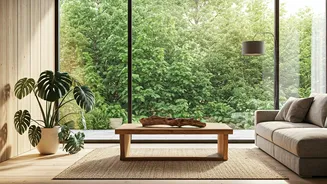
Natural light is a cornerstone of this design style. It connects us to the rhythm of the day and has proven benefits for our mood and well-being. Instead of heavy, ornate curtains, opt for light, sheer fabrics that diffuse sunlight softly. If privacy is a concern, simple bamboo blinds or linen roller shades are excellent choices. Furniture is often low-profile to avoid obstructing light and views, creating a sense of openness. Layouts are designed to be intuitive and fluid, with clear pathways and an easy flow from one area to another. This physical openness mirrors the mental clarity the style aims to cultivate.
5. Texture Over Trinkets
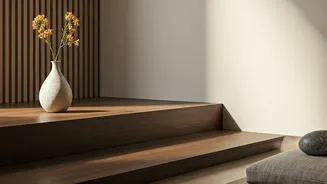
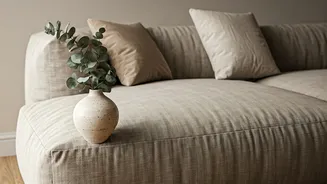
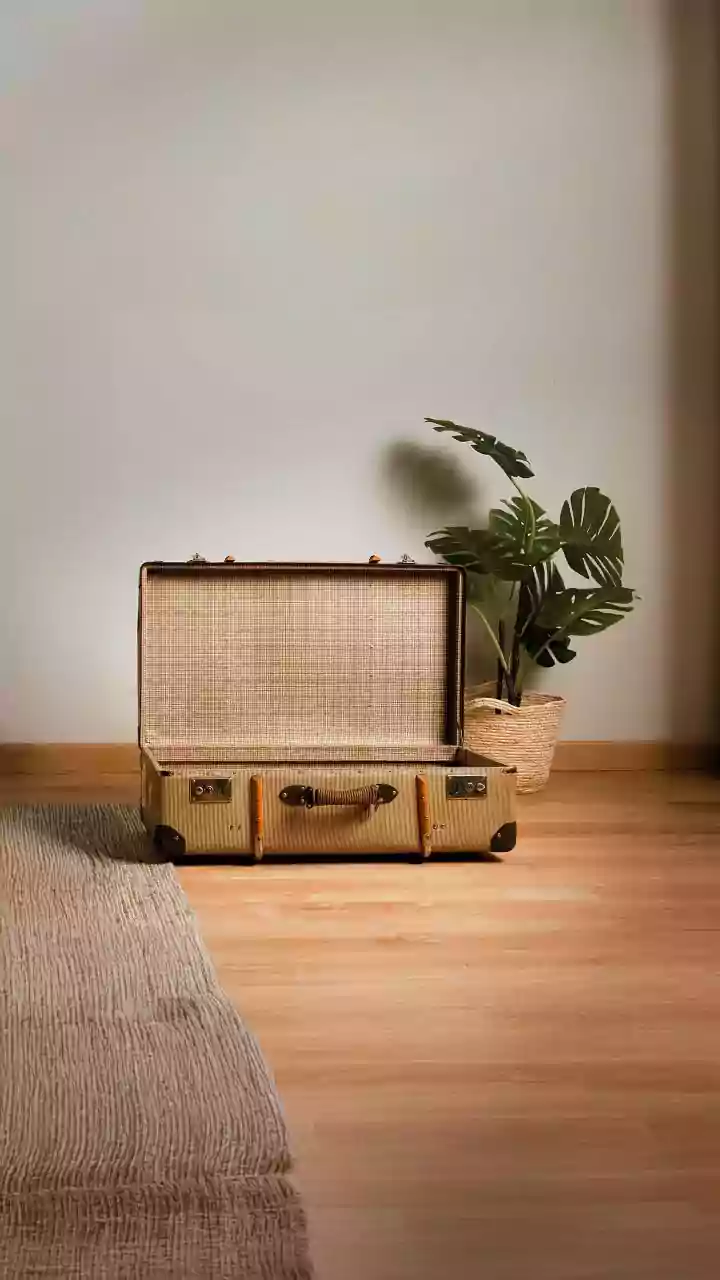
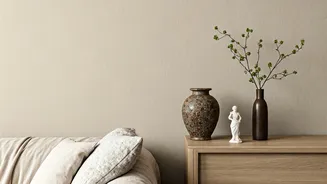
In a space with fewer objects, the details that remain become much more important. This is where texture comes in. Instead of filling shelves with decorative knick-knacks, a minimal Zen layout finds its richness in the interplay of different materials. Think of a rough-hewn wooden table, a soft linen sofa, a chunky knit throw, a smooth ceramic vase, and a woven jute rug. These tactile elements engage the senses and add warmth and interest without creating visual clutter. They invite you to touch and experience your surroundings, grounding you in the present moment. Each texture is chosen with as much care as a piece of art.