






For the Absolute Beginner
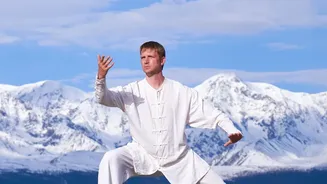
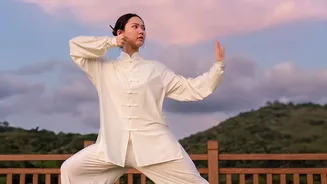
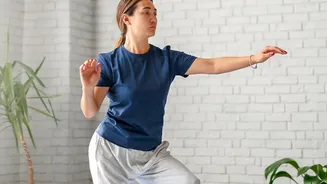
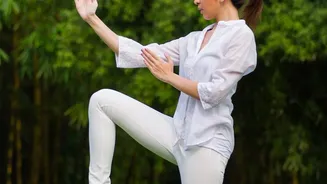
If you are starting your fitness journey from scratch, Tai Chi is arguably the more accessible option. Described as 'meditation in motion', its slow, gentle, and low-impact movements are easy for almost anyone to begin, regardless of age or physical condition.
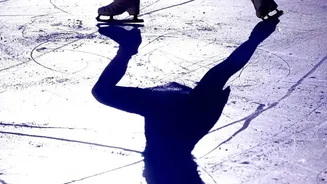
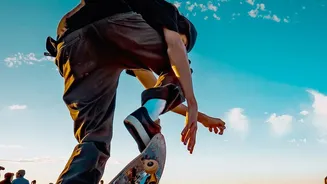
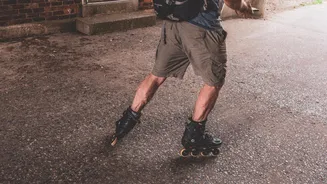
The learning curve focuses on posture, breathing, and simple forms, making it exceptionally beginner-friendly. Skating, whether on inline or quad skates, presents a higher initial barrier: balance. While quad skates offer more stability for newcomers, the risk of falling is real. Beginners will spend their first few sessions just getting comfortable standing and moving. However, the fun factor is high, which can be a powerful motivator to stick with it.
Cardio Intensity vs. Mindful Strength
Your choice may come down to what you want from a workout. Skating is a fantastic cardiovascular exercise that gets your heart rate up, burning anywhere from 300 to 600 calories an hour. It’s a full-body workout that engages the legs, glutes, and core without the harsh impact of running, making it easier on the joints. Tai Chi, by contrast, is generally a mild-to-moderate intensity activity. While faster-paced styles exist, most forms focus on building functional strength, improving flexibility, and enhancing body awareness through controlled, continuous movements. Research shows it improves lower-body and core strength gently and is highly effective at reducing stress and improving mental focus.
Progressing to an Intermediate Level
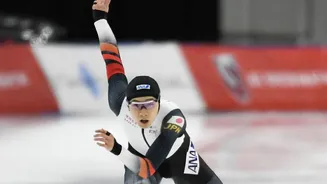
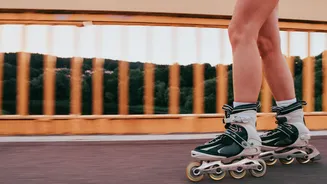
Once you’ve mastered the basics, the path forward in each discipline differs greatly. Intermediate skaters often focus on increasing speed, building endurance for longer distances, and learning more complex moves like crossovers and transitions. Fitness-focused inline skates with larger wheels are often used to cover ground more efficiently. For Tai Chi practitioners, the intermediate stage involves learning longer, more intricate forms, deepening the connection between breath and movement, and improving coordination. The focus shifts from simply performing the movements to understanding their flow and application, cultivating a deeper sense of internal balance and calm.
The Challenge for Advanced Athletes
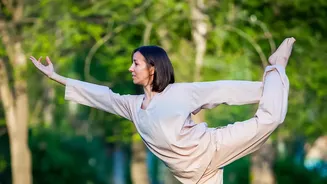
For those already at a high fitness level, both activities still offer significant challenges. Advanced skating can be incredibly demanding, branching into disciplines like artistic skating with jumps and spins, aggressive inline skating with tricks, or marathon skating that requires elite cardiovascular endurance. These specialties require explosive power, precision, and serious core strength. Advanced Tai Chi is a subtle and profound practice. It moves beyond physical exercise into a deep exploration of body mechanics, internal energy (qi), and martial application. Mastery involves a level of precision, balance, and mindful control that can take a lifetime to perfect, offering a challenge that is as much mental as it is physical.
Considering Injury Risk
Safety is a crucial consideration. Skating carries a notable risk of injury, primarily from falls. Common injuries include fractures of the wrist and forearm, ankle sprains, and, without a helmet, serious head injuries. Proper protective gear, including a helmet and pads, is essential to mitigate these risks. Tai Chi, on the other hand, is one of the safest forms of exercise available. Its low-impact nature and controlled movements mean injuries are rare. In fact, it is frequently recommended for older adults and those in rehabilitation specifically to improve balance, prevent falls, and gently build strength without straining the joints.