







Why Monsoon Wreaks Havoc on Hair
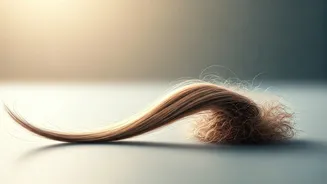
Before we dive into the 'how,' let's understand the 'why.' During the rainy season, the humidity in the air skyrockets. Your hair, which is naturally porous, absorbs this excess moisture. For wavy or curly hair, this causes the hair cuticle (the outer
layer) to swell and lift, resulting in frizz. For those with fine or oily hair, the scalp can overcompensate by producing more sebum, leading to a greasy, limp look. This damp, humid environment is also the perfect breeding ground for fungal infections, which is why many people experience a sudden increase in dandruff, itchiness, and even hair fall during these months. A simple, thoughtless wash just won't cut it against these challenges.
Adjust Your Washing Frequency
There’s a common myth that you should wash your hair less to avoid stripping natural oils. While that holds true in dry weather, the monsoon playbook is different. Getting caught in the rain means your scalp is exposed to acidic rainwater and pollutants, which can upset its pH balance. Add sweat and humidity, and you have a recipe for buildup. Most experts recommend washing your hair at least two to three times a week during the monsoon. If you have a particularly oily scalp or work out regularly, you might need to wash it more often. The key isn't a rigid number, but consistency. Don't let sweat and rainwater sit on your scalp for too long.
Choose Your Cleanser Wisely
Not all shampoos are created equal, and your go-to cleanser for winter might not be your best friend in July. This is the season to incorporate a clarifying shampoo into your routine once a week. These are designed to deep-clean the scalp and remove stubborn product buildup, excess oil, and mineral deposits from hard water. For your other wash days, stick to a gentle, sulphate-free shampoo that cleanses without being overly harsh. If dandruff is your primary concern, use a targeted anti-fungal shampoo containing ingredients like ketoconazole or zinc pyrithione. Rotate it with your regular shampoo to prevent your scalp from becoming overly dry.
Master the Double Cleanse
You may have heard of double cleansing for your face, but it’s a game-changer for your scalp, too. This is the cornerstone of a 'better wash.' The first wash is for breaking down the superficial layer of oil, dirt, and styling products. The second wash is where the real cleansing happens. Using a smaller amount of shampoo for the second round, you can work up a richer lather that thoroughly cleanses the scalp and roots. This technique ensures that your scalp is truly clean, allowing your hair follicles to breathe and reducing the chances of infection and greasiness. It makes a noticeable difference in how light and fresh your hair feels.
Don’t Forget the Conditioner
Many people with oily hair tend to skip conditioner, fearing it will weigh their hair down. This is a mistake, especially during the monsoon. After a good cleanse (especially a clarifying one), the hair cuticle is open and vulnerable. A good conditioner helps to seal it back down, locking in moisture and, crucially, locking out humidity. This is your primary defence against frizz. The trick is in the application. Apply conditioner only from the mid-lengths to the ends of your hair, keeping it far away from the scalp where it can contribute to oiliness. Let it sit for a few minutes before rinsing thoroughly with cool water to help seal the cuticle even further.
The Final Rinse and Dry
Your washing technique is perfect, but the job isn't done. Never leave your hair to air-dry naturally for hours in a humid room; it just invites frizz and can keep the scalp damp for too long. Gently squeeze out excess water with a soft microfibre towel or an old cotton T-shirt instead of rubbing vigorously with a rough towel, which can rough up the cuticle and cause breakage. If you must use a hairdryer, apply a heat protectant and use it on a low-heat, medium-speed setting. Focus on getting your roots about 80% dry. A dry scalp is a healthy scalp, and it's the final piece of the perfect rainy-season wash.