
A Healthier Festive Plate
One of the most significant shifts in modern festival cooking is the quest for healthier alternatives that don't compromise on taste. Enter quinoa, the ancient South American grain, which has found a surprising new home in the Indian kitchen. Traditionally,
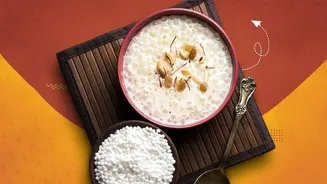
kheer is made with rice or vermicelli, but a growing number of home cooks are now making Quinoa Kheer. This version offers a higher protein and fibre content, giving the beloved dessert a lighter, nuttier texture that many find appealing. It’s a simple swap that speaks volumes about a collective desire to balance indulgence with wellness. The grain’s versatility means it's also appearing in savoury dishes, replacing conventional grains in festive upmas or pulaos, offering a wholesome twist to classic preparations.
The Creamy Green Revolution
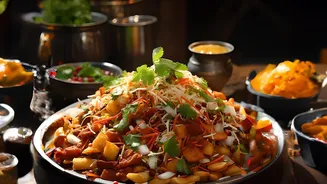
Perhaps the most surprising new star of the Indian dessert scene is the avocado. Long associated with toast and guacamole, this creamy fruit is now being transformed into rich, decadent mithai. Chefs and culinary enthusiasts are using its buttery texture to create melt-in-the-mouth Avocado Burfi and Kalakand. The fruit’s subtle flavour provides a perfect canvas for traditional Indian seasonings like cardamom and saffron, while its natural fats create a luscious consistency without relying solely on ghee or mawa. The vibrant, pale green colour also adds a modern aesthetic to the festival platter. This trend has moved beyond just sweets, with innovative chefs even incorporating avocado into savoury items like chaat, adding a creamy element that surprises and delights the palate.
An Earthy Umami Infusion
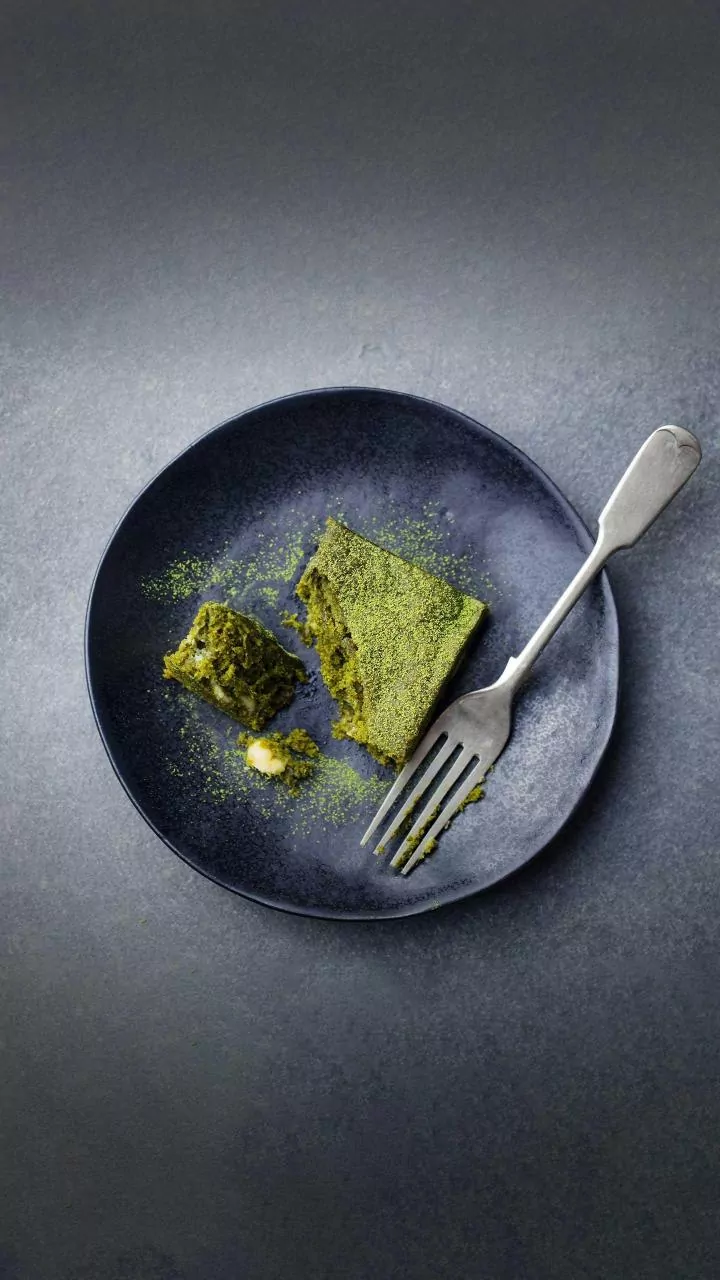
Another ingredient making colourful inroads is matcha, the finely ground Japanese green tea powder. Its vibrant green hue and distinct, slightly bitter flavour profile are providing a sophisticated counterpoint to the sweetness of traditional Indian pedas and barfis. Matcha Peda, for instance, offers a beautiful visual and a complex taste that is both earthy and sweet. The use of matcha reflects a growing appreciation for Japanese flavours and aesthetics in India. It’s a fusion that feels elegant and modern, transforming a simple mithai into a gourmet statement piece. The trend also extends to fusion desserts like matcha-infused cheesecakes or parfaits, showcasing its versatility.
The Western Dessert Influence
The influence isn't just about single ingredients; it's also about entire dessert concepts. Western-style desserts are being deconstructed and reimagined with Indian flavours. The most famous example is the Gulab Jamun Cheesecake, a fixture on modern Indian restaurant menus and a favourite at festive gatherings. This hybrid marvel combines the creamy tang of cheesecake with the syrupy sweetness of gulab jamun. Similarly, we see Rasmalai Tiramisu, where the classic Italian dessert is given a desi twist, and Motichoor Laddoo Parfaits, which layer the traditional sweet with cream and nuts in a glass for a visually stunning presentation. These fusions demonstrate a playful confidence in blending textures and traditions from different culinary worlds.
Why The Global Pantry?
What’s driving this creative explosion in our festival kitchens? It's a combination of factors. Firstly, increased global travel and a more connected world via the internet and social media have exposed Indian cooks to a wider array of ingredients and techniques. Secondly, there’s a growing health consciousness that encourages experimentation with ingredients like quinoa and avocado. Finally, there's a spirit of playfulness and a desire for novelty. For many, particularly younger generations, cooking is a creative outlet. They aren't looking to replace tradition but to build upon it, asking fun questions like, “What would happen if we put a gulab jamun inside a cheesecake?” The result is a vibrant, evolving culinary landscape.