



The Psychology of the Plate
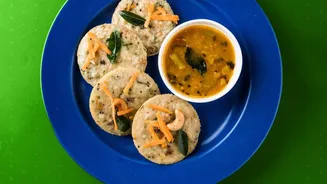
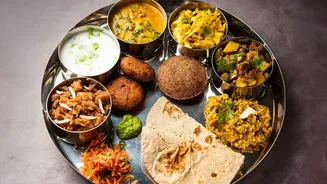
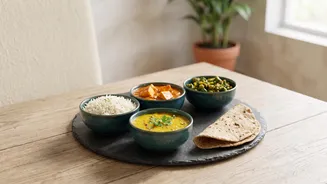
One of the simplest yet most effective strategies for managing festive meals is a visual trick: use a smaller plate. A standard serving of food can look sparse on a large dinner plate, tempting you to add more. The same portion on a smaller plate appears
abundant, creating a psychological sense of satisfaction. This simple swap can help you naturally reduce your intake without feeling deprived. It encourages you to be more selective and focus on the foods you truly want to enjoy, making the experience more mindful from the start. This trick works because we often eat with our eyes first, and a full-looking plate signals contentment to our brain.
Prioritise Your Festive Favourites
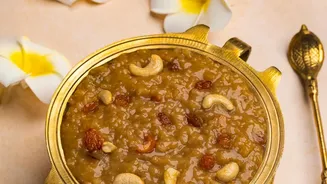
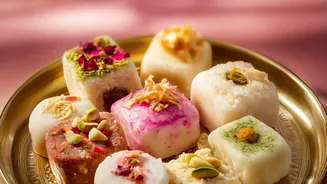
A festive spread is often a lavish affair with dozens of dishes. Instead of trying to sample everything, which can lead to overeating, take a moment to survey the options. Decide which one or two dishes are your absolute must-haves—the ones that truly signify the festival for you. Perhaps it's your aunt's famous biryani or the homemade gulab jamun. By prioritising these special treats, you can fill your smaller plate with what you genuinely love and savour it. This approach focuses on the quality of your enjoyment rather than the quantity of food consumed. Don't waste your appetite on everyday items or dishes you feel lukewarm about; save that precious space for the celebratory foods you look forward to all year.
Eat with Intention, Not Distraction
Festivals are social occasions, and it's easy to eat mindlessly while chatting with relatives. Mindful eating is the practice of paying full attention to your food—its aroma, texture, and taste. Before you begin, take a moment to appreciate the meal. Then, eat slowly, chewing each bite thoroughly. It takes about 20 minutes for your brain to register that your stomach is full, and eating slowly gives your body time to send those satiety signals. This prevents the common scenario of feeling fine one minute and uncomfortably stuffed the next. Putting your cutlery down between bites can also help pace your meal, allowing you to better recognise when you are satisfied, not just full.
Don't Arrive Famished
A common mistake is skipping meals during the day to “save space” for a big festive dinner. This strategy almost always backfires. Arriving at a party ravenously hungry makes you more likely to overeat quickly, before your body has a chance to signal fullness. Instead of fasting, have a light, protein-rich snack—like a handful of nuts, a bowl of yogurt, or a piece of fruit—before you leave home. This takes the edge off your hunger, allowing you to make more deliberate and mindful choices at the dinner table rather than grabbing the first fried snack in sight.
Hydration Is Your Ally
Sometimes, our bodies mistake thirst for hunger. Staying well-hydrated throughout the day can help manage cravings and prevent overeating. Drink a glass of water before you head to a gathering and another before you sit down to eat. This not only aids digestion but also provides a sense of fullness. While enjoying the feast, try to alternate between festive beverages and plain water. Many traditional drinks can be high in sugar, so this helps moderate your calorie intake while keeping you hydrated and energised for the celebrations. Opt for lime water or unsweetened herbal teas where possible.
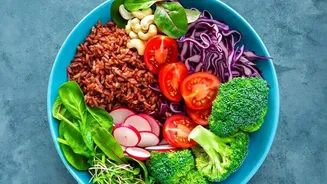
Fill Half Your Plate with Fibre
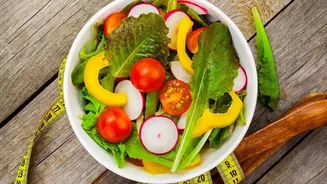
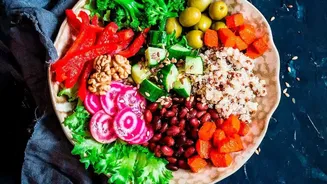
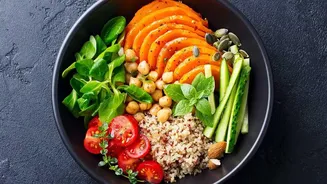
Before you reach for the richer curries and rice dishes, dedicate half of your plate to vegetables or salad. This is a core principle of creating a balanced plate. High-fibre foods provide bulk and help you feel full and satisfied with fewer calories. Many Indian festive meals include vegetable side dishes (sabzis) or raw salads. Starting with these can help regulate your appetite and ensure you are getting essential nutrients alongside the celebratory treats. Once the fibre-rich half is filled, you can use the remaining space for your favourite proteins and carbohydrates, ensuring a more balanced and manageable meal.