



The Old Dilemma, The New Approach
For generations, festive seasons were synonymous with unrestrained indulgence. Diets were forgotten, and every meal was a celebration, often rich in sugar, oil, and refined flour. The unspoken rule was to enjoy now and worry later. Today, however, that
mindset is shifting. An increasing number of Indian households are questioning this all-or-nothing approach. Instead of swinging between strict dieting and festive bingeing, they are carving out a more sustainable middle path where celebration and nutrition coexist. This isn't about deprivation, but about making conscious, informed choices that honour both tradition and well-being.
Drivers of the Delicious Change
Several factors are stirring this change. A greater awareness of lifestyle diseases has made health a year-round priority, not something to be paused for festivals. Younger generations, particularly millennials and Gen Z, are entering family kitchens armed with global health trends and a desire to see nutritional information beyond just calories. They are challenging old norms, questioning not if they can have a laddoo, but what that laddoo is made of. This generational shift, coupled with the accessibility of information online and the rise of health-conscious food bloggers, has empowered home cooks to experiment and adapt.
Small Swaps, Big Impact
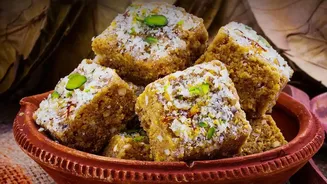
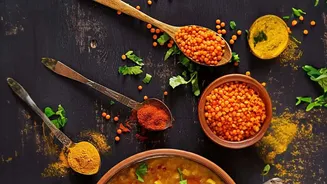
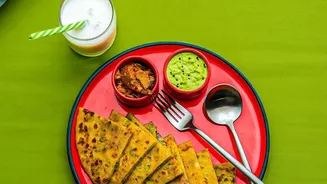
So what does this middle path look like on a plate? It's less about radical transformation and more about intelligent upgrades. Refined sugar is being replaced with jaggery, dates, or figs in sweets like kheer and barfi. Maida-based snacks are giving way to versions made with whole wheat, millets like ragi, or besan. Perhaps the biggest change is in cooking techniques. Deep-frying, once the default for treats like gujiya and chakli, now competes with air-frying and baking. As chef Sanjeev Kapoor notes, the goal is not to change the soul of the dish, but to make it lighter and let the quality of the ingredients shine.
Mindful Indulgence is Key
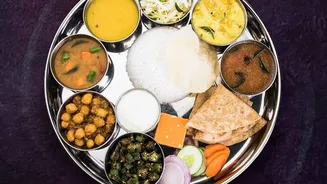
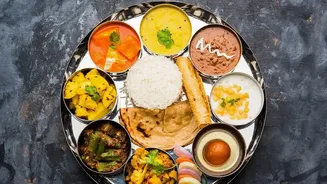
Beyond ingredients, the new festive mantra is portion control and mindful eating. Nutritionists advise against skipping meals to “save space” for a feast, as this often leads to overeating. Instead, the focus is on balance throughout the day. A festive plate might still have a favourite sweet, but it will be a smaller piece, savoured slowly. The plate itself is also being re-engineered, following a balanced-plate method: half filled with vegetables, a quarter with protein, and a quarter with carbohydrates, ensuring essential nutrients are not missed. This approach allows for guilt-free enjoyment, turning indulgence into a deliberate, mindful choice rather than a compulsion.
The Market Responds
This shift at home is being mirrored in the marketplace. A wave of new-age Indian brands is catering to this health-conscious consumer, offering everything from baked millet snacks and roasted makhana to sugar-free sweets and protein-rich ladoos. These products make it easier for busy families to stick to their health goals without spending hours on elaborate preparations. Homemade is still considered the gold standard by many, but the availability of high-quality, clean-label alternatives provides a convenient and reliable backup.