
Why Autumn in Shoja & Tirthan?
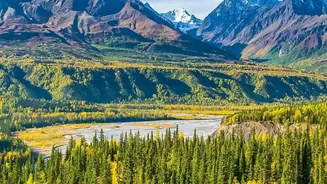
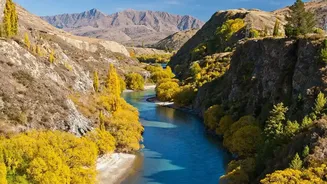
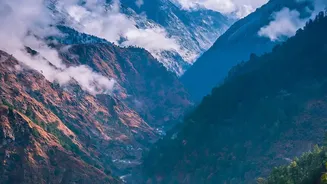
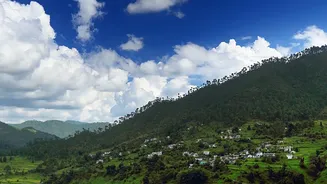
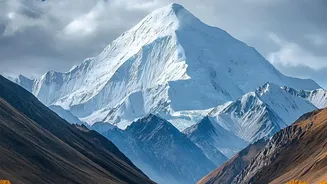
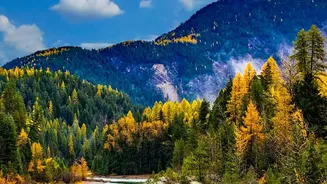
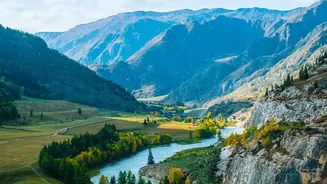
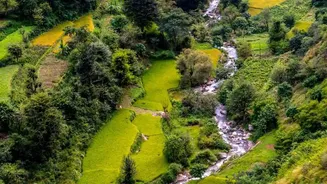
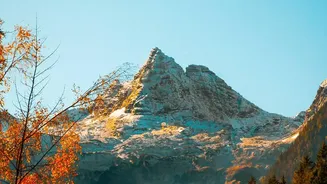
While beautiful year-round, the valleys of Shoja and Tirthan come alive in a unique way during autumn (late September to November). The post-monsoon skies are exceptionally clear, offering sharp, breathtaking views of the Himalayas. The forests are painted
in hues of gold and amber, and the weather is crisp and comfortable for trekking and exploring. This period strikes a perfect balance between pleasant daytime temperatures and cool, quiet nights, making it ideal for those seeking solitude and natural beauty without the risks of monsoon travel or the deep cold of winter.
Getting There: Your Route to Tranquility
Reaching these valleys is part of the adventure. The most common route is by road from Delhi or Chandigarh. The journey from Delhi is about 500 km and typically takes 12-14 hours. Most travellers take an overnight Volvo bus to Aut, a small town on the Kullu-Manali highway. From Aut, Tirthan Valley (Gushaini, Nagini) is about an hour's drive, and Shoja is a bit further. You can hire a pre-booked taxi from Aut or take a local bus. The nearest airport is Bhuntar (near Kullu), approximately 50 km away, from which a 2-3 hour taxi ride will get you to the valley. For a more scenic but longer drive, a route via Shimla and Jalori Pass is also an option, but check if the pass is open, especially later in autumn.
Where to Stay: Homestays and Riverside Cottages
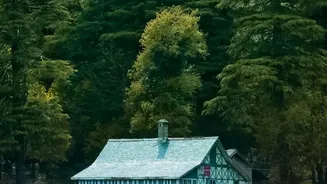
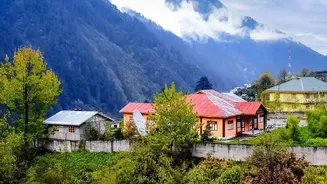
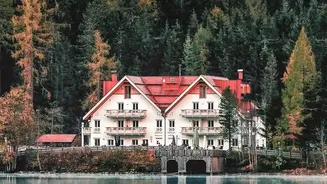
To truly experience the offbeat charm, skip commercial hotels. The region is renowned for its warm, welcoming homestays and rustic wooden cottages, often run by local families. In Tirthan Valley, look for stays along the river in villages like Gushaini and Nagini for the soothing sound of flowing water. Shoja, being at a higher altitude, offers quaint stays with panoramic views of the surrounding forests and peaks. Booking in advance is wise, especially for popular riverside or view-facing properties. These homestays not only provide cozy lodging but also offer a chance to savour delicious, home-cooked Himachali food.
Essential Offbeat Experiences
The joy of Shoja and Tirthan lies in slow, immersive activities. A must-do is the drive to Jalori Pass, which connects the Kullu and Shimla regions. From the pass, a gentle 5 km trek through a dense oak forest leads to the serene Serolsar Lake, a pristine water body with a small temple dedicated to Budhi Nagin. Another popular activity is trout fishing in the Tirthan River, known for its abundant rainbow and brown trout (a permit is required). Don't miss exploring the traditional villages on foot; hikes to Chehni Kothi, a 1500-year-old standing tower, or the secluded Chhoie Waterfall offer glimpses into the region's history and natural splendour.
Trekking and Nature Walks
The area is a gateway to the Great Himalayan National Park (GHNP), a UNESCO World Heritage Site. While multi-day treks into the park's core require permits and guides, there are numerous shorter trails suitable for all fitness levels. A simple day hike to Rolla within the GHNP can give you a feel for the park's incredible biodiversity. Besides the popular Serolsar Lake trek, the trail to Raghupur Fort from Jalori Pass is a shorter, steeper hike that opens up to a stunning meadow with 360-degree views. Simple riverside walks or exploring the forest trails around your homestay are equally rewarding.
Practical Tips for Your Autumn Trip
Autumn days are pleasant, but nights get cold, so pack in layers. Thermals, a warm jacket, and a beanie are essential. While there are ATMs in Banjar and Aut, they can be unreliable, so carrying sufficient cash is recommended. Mobile connectivity can be patchy, with BSNL often having the best network. Embrace this as an opportunity to disconnect. Finally, wear sturdy shoes with good grip, as you'll be walking on uneven forest trails. Always check the road conditions for Jalori Pass before heading out, as early snowfall can sometimes lead to its closure.