

Embrace a Deep, Moody Colour
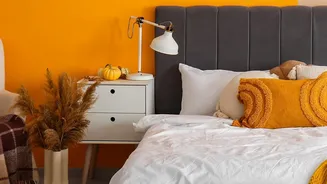
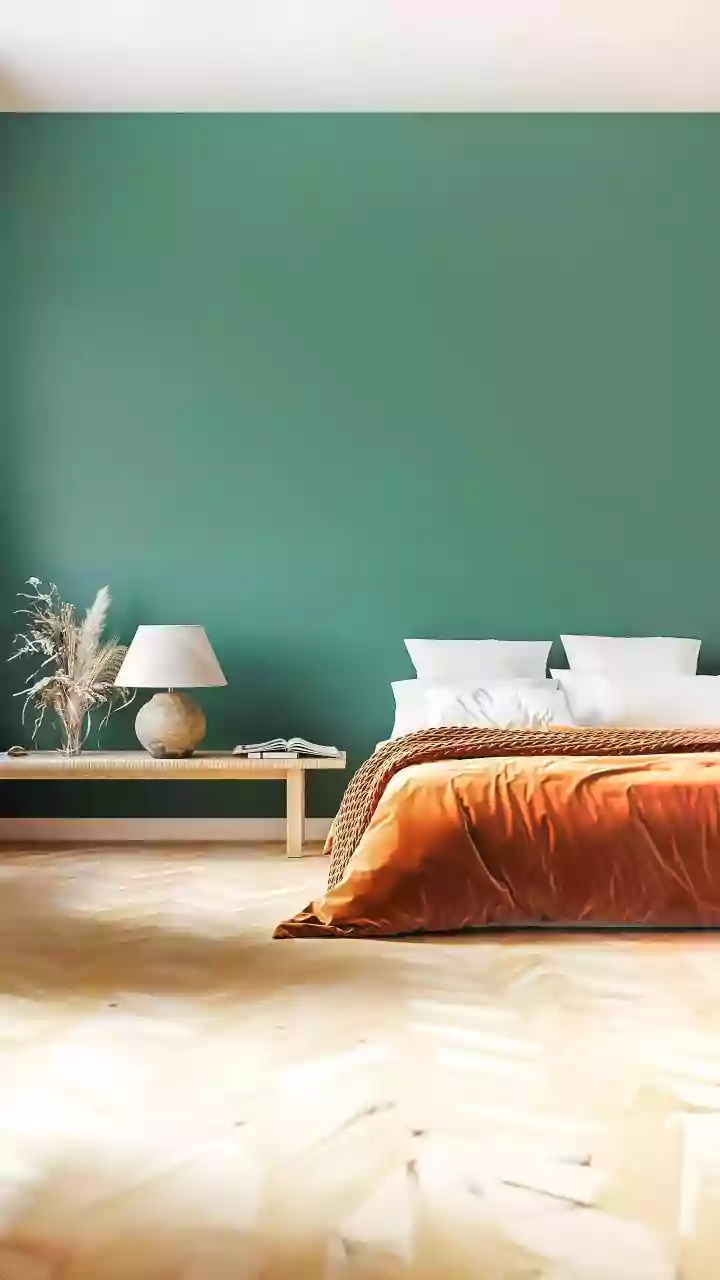
Conventional wisdom says to paint small rooms white, but this isn't your only option. A dark, rich colour on a single wall can create a surprising sense of depth. Hues like deep navy, charcoal grey, or forest green make the accent wall visually recede,
which can trick the eye into thinking the room is bigger. This technique is especially effective on the wall behind a bed or a sofa, as it creates a cosy, enveloping focal point without overwhelming the entire space. To keep the room from feeling too dark, ensure it has good lighting and balance the bold wall with lighter-coloured furniture, bedding, and decor. The contrast makes the accent colour pop while maintaining an open, airy feel elsewhere.
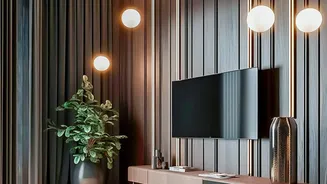
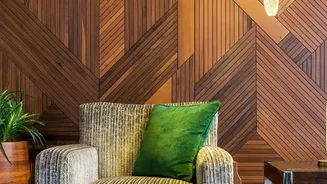
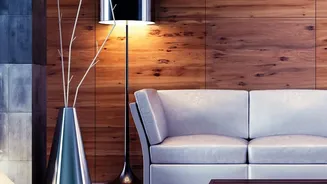
Add Texture with Wood Paneling
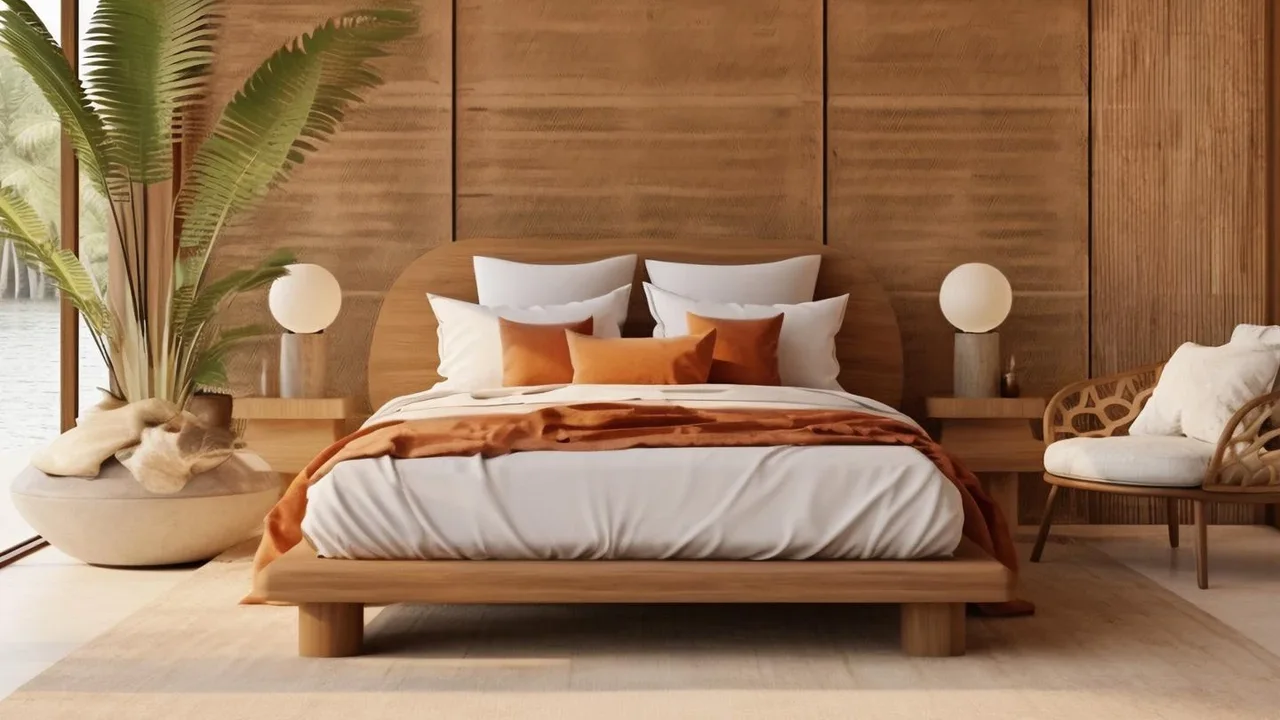
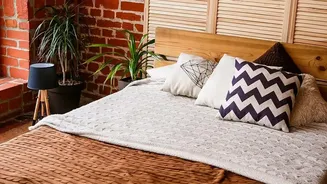
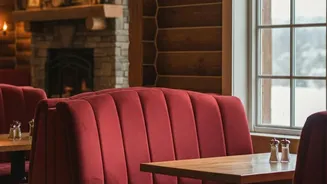
An accent wall isn't just about colour; texture can add immense character and warmth. Wood elements like shiplap, board and batten, or vertical slats introduce architectural interest to a plain room. Horizontal shiplap can make a narrow room feel wider, while vertical panels can draw the eye upward, giving the illusion of higher ceilings. You can leave the wood in its natural state for a rustic feel, paint it white for a clean, modern farmhouse look, or go with a dark colour for sophisticated drama. This approach adds a tangible, high-end quality that paint alone cannot achieve, making the room feel more custom and thoughtfully designed.
Play with Removable Wallpaper
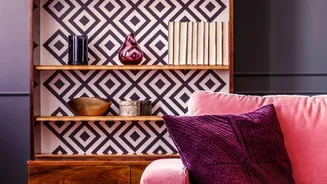
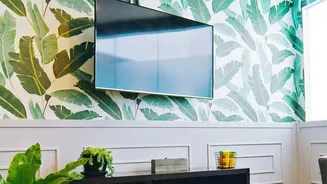
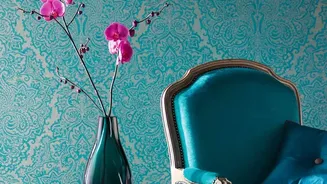
For those who are hesitant to commit or are currently renting, peel-and-stick wallpaper is a game-changer. It offers an endless variety of patterns, from subtle botanicals to bold geometric designs, allowing you to inject personality without long-term consequences. In a small room, a large-scale pattern can be surprisingly effective. Rather than making the space feel cluttered, a single, bold focal point can anchor the room and make it feel more purposeful. Textured options like faux brick or grasscloth can also add depth and dimension. Best of all, when you're ready for a change, it comes off easily without damaging the wall.
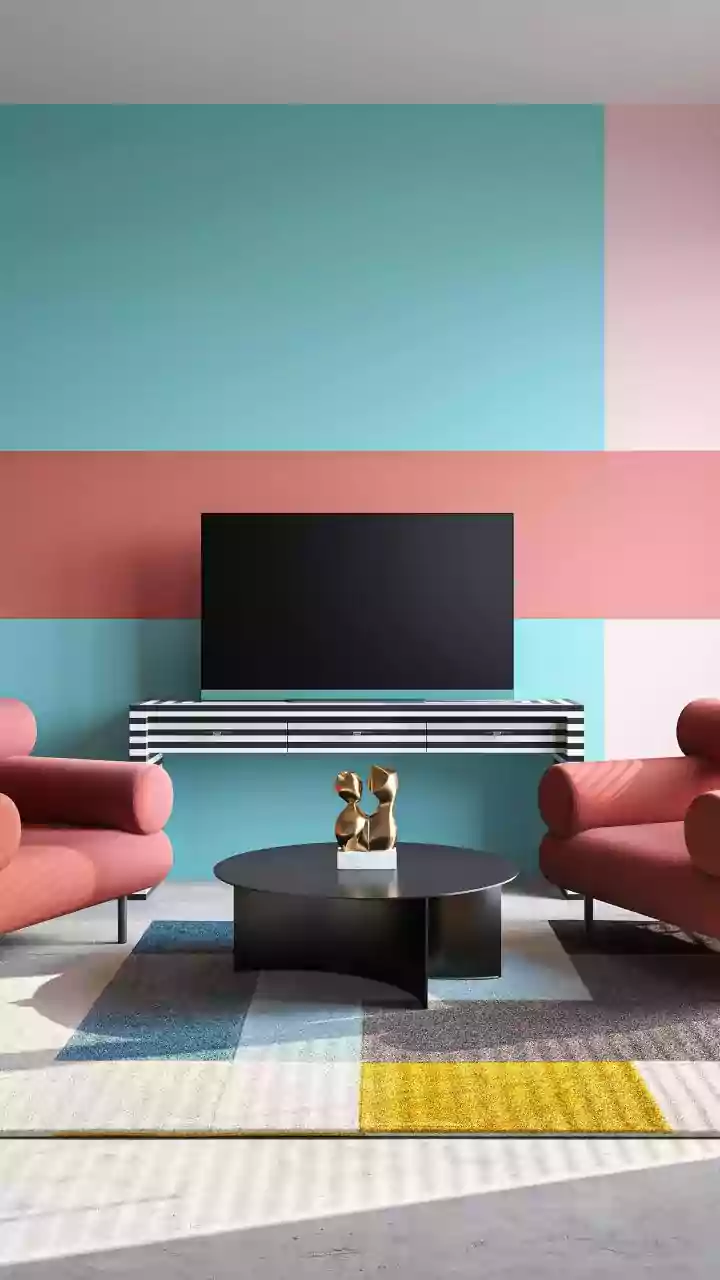
Create a Geometric Design
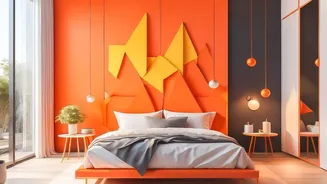
A painted geometric accent wall is a budget-friendly way to create a custom, high-impact look. Using painter's tape, you can map out a design of intersecting lines, triangles, or even a simple two-tone block pattern. Painting the lower portion of the wall a darker shade and the upper portion a lighter one can make the ceiling feel higher. Alternatively, a pattern of diagonal or horizontal stripes can create a sense of movement and make the room feel wider. This is a chance to play with multiple colours in a controlled way, adding a modern, graphic element that feels both personal and dynamic.
Build a 'Functional' Accent Wall
An accent wall can be more than just decorative; it can also be useful. Consider creating a gallery wall with a collection of your favourite art and photos. Using matching frames can create a cohesive, polished look that tells a personal story. Another idea is to install floating shelves to display books, plants, and other objects, turning storage into a design feature. A picture ledge offers a similar benefit with a clean, linear look. For a truly interactive space, chalkboard paint can turn a wall into a creative canvas for lists, doodles, and messages—a particularly fun addition to a kitchen or a child's room.
Utilise Mirrors for Depth
Perhaps the most classic trick for small spaces, a mirrored wall is the ultimate way to create the illusion of depth. By reflecting light and the room itself, mirrored panels can make a space feel significantly larger and brighter. While a fully mirrored wall makes a bold, glamorous statement, you don't have to go all-in. A large, oversized mirror hung on or leaned against your chosen accent wall can achieve a similar effect. Placing a mirror opposite a window is especially effective, as it will bounce natural light around the room, making it feel more open and expansive.