

Start by Blending, Not Replacing
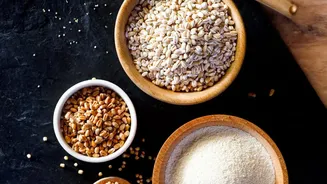
The biggest mistake is trying to switch from 100% wheat or rice to 100% millets overnight. Instead, think of it as a gradual introduction. For your daily rotis, start by mixing your regular wheat atta with a small portion of millet flour. A ratio of 80%
wheat to 20% millet flour is a great starting point, as the difference in taste and texture is barely noticeable. Jowar (sorghum) flour will yield a softer roti, while bajra (pearl millet) adds a slightly nuttier flavour. You can slowly increase the percentage as your family gets used to it. The same logic applies to rice dishes. You don't need to give up rice entirely; just serve a millet-based dish like foxtail millet pulao once or twice a week.
Upgrade Your Breakfast Favourites
Breakfast is often the easiest meal for introducing new ingredients. Many beloved Indian breakfast dishes are incredibly adaptable. If you make dosa or idli at home, try substituting a portion of the rice with millet. For instance, foxtail millet can replace rice in dosa batter, and you can even add some ragi flour before fermentation for a nutrient boost. Ragi porridge is another simple and filling option. For those who love a savoury start, millet flour can be used to make chillas, or you can replace rava (semolina) with bajra or jowar in your morning upma. These small changes pack a nutritional punch without reinventing the meal.
Reimagine Rice and Khichdi
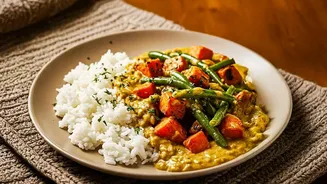
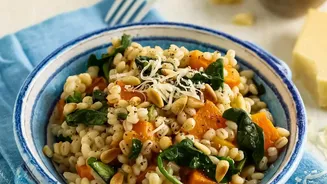
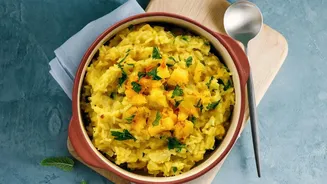
Millets like foxtail, little, and barnyard millet are excellent substitutes for white rice in various dishes. They have a mild flavour and cook similarly. You can start by making family favourites like lemon rice, curd rice, or a simple vegetable pulao using foxtail millet. Khichdi, the ultimate comfort food, is another perfect vehicle for millets. A one-pot dish combining little millet or bajra with moong dal and vegetables is both hearty and much richer in fibre than its rice-based counterpart. Soaking the millets for a few hours before cooking is a key tip; it helps improve their texture and digestibility.
Think Beyond Main Meals with Snacks
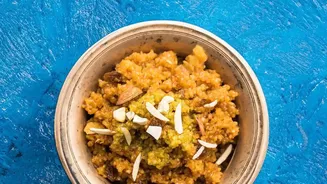
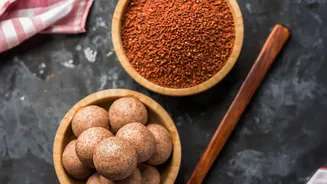
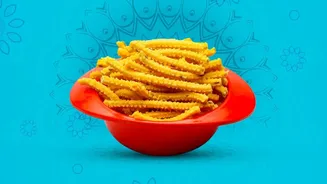
Snacks are a low-pressure way to get everyone accustomed to the taste of traditional grains. Instead of buying packaged snacks, you can create healthier versions at home. Ragi flour works wonderfully in cookies and laddoos, often combined with jaggery for a guilt-free sweet treat. For savoury options, try making baked millet crackers or adding popped jowar to salads for a satisfying crunch. Mini vegetable cutlets can be made using ragi or a multi-millet flour, mixed with mashed potato and finely chopped vegetables to make them more appealing to kids. These snacks are not only delicious but also provide sustained energy.
Let the Seasons Guide You
Traditional Indian food wisdom is often linked to the seasons, and this applies to grains as well. Bajra, for instance, is known to have a warming effect on the body, making it an ideal grain for rotis and khichdi during the winter months. Jowar is considered lighter and more cooling, which makes it suitable for summer. Ragi is a versatile, all-season grain popular in South India. Aligning your millet choices with the seasons is not just a nod to tradition but also works in harmony with your body's needs. This approach also encourages grain rotation, ensuring a wider variety of nutrients in your family's diet throughout the year.