

The Royal Quest for Eternal Youth
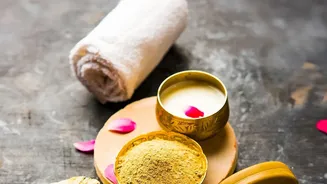
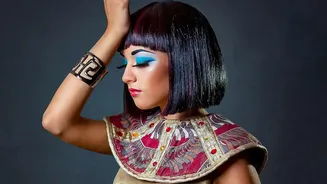
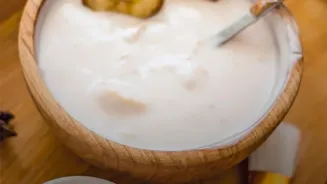
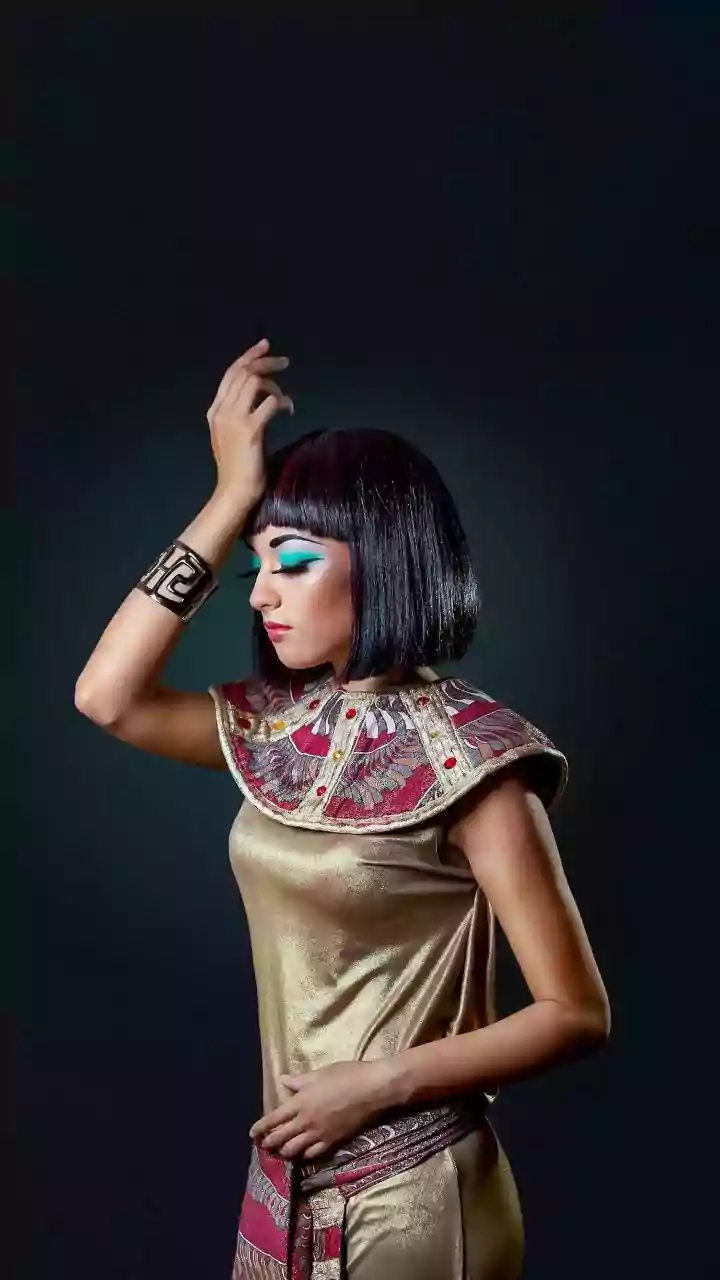
From Cleopatra to 19th-century empresses, history is filled with royals who went to extraordinary lengths to preserve their youth. Cleopatra, the last pharaoh of Egypt, famously bathed in donkey milk and honey to keep her skin soft. These baths, often
infused with rose petals, utilized the natural lactic acid in milk as an exfoliant. Empress Elisabeth of Austria, known as Sisi, was legendary for her obsessive beauty rituals in the 1800s. She slept with a leather mask lined with raw veal, wrapped her neck in cloths soaked in special tonics, and took warm olive oil baths. Her ankle-length hair was washed once every three weeks in a day-long process using eggs and cognac. These elaborate, time-consuming routines highlight a timeless human desire: to stop, or even reverse, the visible signs of ageing.
The Science: What is Ageing, Really?
While royal rituals were based on observation and tradition, modern science looks at ageing on a microscopic level. Biological ageing is a complex process driven by several factors. One key aspect is 'cellular senescence', where our cells stop dividing but don't die. These 'zombie' cells accumulate over time, releasing inflammatory substances that can damage surrounding tissues and contribute to age-related decline. Another factor is the shortening of telomeres, which are protective caps on the ends of our chromosomes. Each time a cell divides, the telomeres get a little shorter. When they become too short, the cell can no longer divide and becomes senescent. Ageing isn't just about wrinkles; it's a fundamental biological process of accumulation of cellular damage and a decline in function.
Myth vs. Reality: The 'Reverse Ageing' Claim
Here's the crucial distinction: as of 2026, there is no clinically proven therapy that can fully reverse biological ageing in humans. The term 'reverse ageing' is often used in marketing to describe a reduction in 'biological age'—a measure based on molecular biomarkers—not a reversal of your chronological age. Some interventions, like structured exercise and specific diets, have been shown in studies to reduce biological age markers. However, this is not the same as making your body fundamentally younger. Exciting research is underway, including epigenetic reprogramming, which has shown promise in animal studies for restoring youthful cellular function. Human trials for some of these therapies are just beginning, targeting specific diseases, but widespread, proven 'reverse ageing' for the whole body remains in the realm of science fiction for now.
Modern Rituals: What Science Actually Supports
Instead of chasing the myth of reversal, experts are focusing on 'skin longevity'—maintaining healthy, resilient skin for as long as possible. Many modern 'anti-ageing' treatments are science-backed methods to slow the visible signs of ageing and support skin health. Retinoids, a derivative of Vitamin A, are considered a gold standard for promoting cell turnover and stimulating collagen. Sunscreen is the single most effective tool for preventing premature ageing caused by sun damage. Other effective strategies include using antioxidants like Vitamin C to protect against environmental damage and treatments like chemical peels or laser resurfacing that stimulate the skin's natural repair processes. These modern rituals don't reverse age, but they effectively manage its visible impact.
Lessons From History's Beauty Obsessions
While we now know a veal mask won't reverse cellular senescence, there are lessons to be learned from the dedication of figures like Empress Sisi. Her intense focus on diet, rigorous exercise, and meticulous routines, while extreme, underscore the principle that consistent care has an impact. The core idea of a dedicated ritual—whether it's a daily walk, a healthy diet, or a consistent skincare routine—is a timeless principle for well-being. The ingredients used by royals, such as honey, olive oil, and rosewater, are still valued today for their soothing, moisturizing, and antioxidant properties. Perhaps the true secret of the royals wasn't a single magical ingredient, but the discipline of the ritual itself.