


North India: The Comfort of Kuttu and Aloo
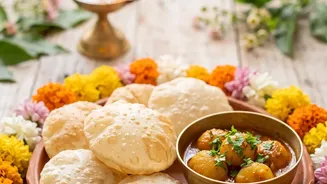
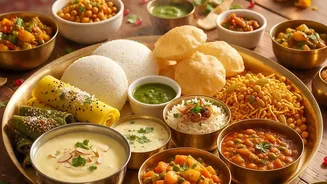
In states like Punjab, Delhi, and Uttar Pradesh, Navratri fasting is synonymous with hearty and comforting meals. The star ingredients are 'kuttu ka atta' (buckwheat flour) and 'singhare ka atta' (water chestnut flour). These are used to make deep-fried
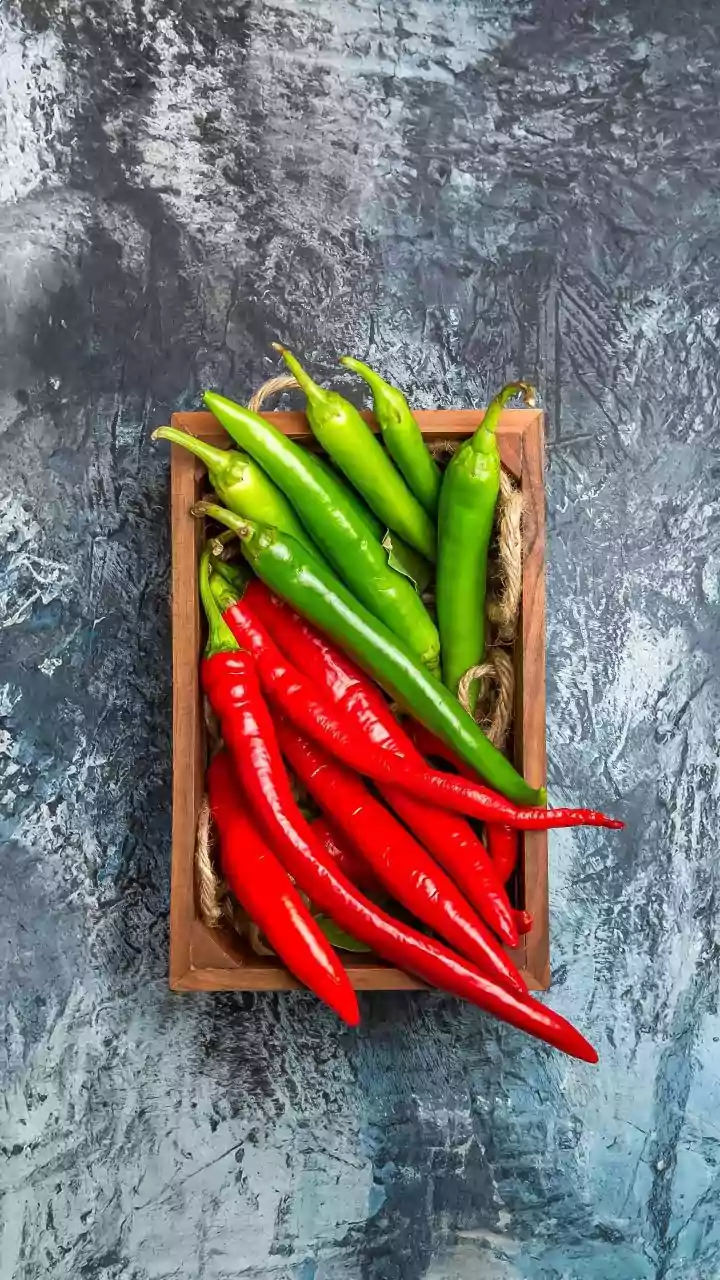
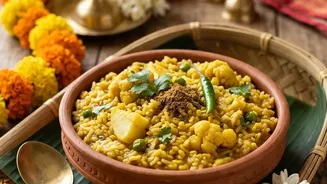
'puris' or flatbreads, which are crisp, earthy, and incredibly satisfying. The classic accompaniment is a simple yet flavourful 'aloo ki sabzi' (potato curry) made without onion or garlic and seasoned with rock salt ('sendha namak'), tomatoes, and green chillies. Another staple is 'samak ke chawal' (barnyard millet), often prepared as a fluffy 'pulao' or a creamy 'khichdi', providing a light but energy-giving meal.
Gujarat: A Feast of Farali Flavours
In Gujarat, fasting food, known as 'farali', is a culinary sub-genre in itself. The state is famous for its creative and delicious snacks that make fasting feel like feasting. 'Sabudana Khichdi', made from tapioca pearls tossed with peanuts, potatoes, and mild spices, is a beloved staple. Another popular dish is the 'farali pattice', a crispy potato cutlet stuffed with a sweet and spicy mixture of coconut and nuts. For a more substantial meal, there's 'moraiyo' or 'samo' (barnyard millet) cooked into a khichdi. Sweets are also essential, with 'rajgira sheera', a pudding made from amaranth flour, being a common treat.
Maharashtra: Savoury Snacks and Peanut Power
Much like its neighbour Gujarat, Maharashtra has a strong tradition of sabudana-based dishes for Navratri. The 'Sabudana Vada' is an iconic Maharashtrian snack—a deep-fried patty of soaked tapioca, mashed potatoes, and roasted peanuts, which is crispy on the outside and soft on the inside. It is often served with a sweet yogurt dip or a spicy peanut chutney. Another fasting delicacy is 'shengdana amti', a tangy and slightly sweet peanut-based curry that is typically eaten with 'bhagar' (barnyard millet). These dishes showcase the state's love for peanuts, which provide protein and richness to fasting meals.
West Bengal: Simple Offerings Amidst Grand Celebrations
While Navratri coincides with the grand celebrations of Durga Puja, where feasting is central, many Bengalis do observe fasts, particularly in the initial days. The fasting food is typically simple and sattvic. One common offering is 'luchi', a fluffy, deep-fried bread made from refined flour, served with a simple 'aloo dom' (potato curry) prepared without onion or garlic. For those observing a stricter grain-free fast, fruits and milk-based sweets like 'Sandesh' and 'Mishti Doi' (sweet yogurt) are staples. These dishes provide sustenance while maintaining the purity required for the observance.
South India: The Tradition of Sundal
In Southern states like Tamil Nadu and Karnataka, the approach to Navratri food is quite different. While strict fasting from grains is less common, the nine days are marked by the preparation of 'sundal'. Sundal is a simple and protein-rich snack made from various legumes like chickpeas, peanuts, or green gram. The legumes are boiled and then tempered with mustard seeds, curry leaves, and grated coconut. Each day, a different type of sundal is prepared as a 'prasadam' (offering) to the goddess and distributed to guests. In Karnataka, you might also find 'Kosambari' (a simple lentil salad) and various types of 'payasam' (kheer) as part of the festive offerings.