






The Silent Damage of Daily UV Exposure
Sunlight is more than what we see and feel. It contains invisible ultraviolet (UV) radiation, which impacts our skin every single day, regardless of the weather. There are two main types that reach us: UVA and UVB. UVB rays are shorter and are the primary
cause of sunburn. But it's the UVA rays that are often underestimated. With a longer wavelength, UVA penetrates deeper into the skin, causing long-term damage like wrinkles, sagging, and dark spots—the hallmarks of premature ageing. This process, known as photoaging, is cumulative. Even brief daily exposure while driving, sitting near a window, or walking outside adds up over a lifetime, damaging skin cell DNA and increasing the risk for skin cancer. Since up to 80% of UV rays can pass through clouds, year-round protection isn't just a suggestion; it's a necessity for long-term skin health.
The Old Excuses for Skipping Sunscreen
For years, the biggest barrier to daily sunscreen use hasn't been a lack of awareness, but a dislike for the products themselves. Traditional sunscreens developed a reputation for being thick, oily, and difficult to spread. They often left a noticeable white or purplish cast, especially on Indian skin tones, creating a visible film that felt heavy and looked unflattering. For those with oily or acne-prone skin, these heavy formulas could feel suffocating and lead to clogged pores and breakouts. The greasy finish made makeup application difficult, and the need to reapply a thick cream during a humid day was an uncomfortable thought. These legitimate complaints about the user experience are why many people have historically reserved sunscreen for a beach holiday rather than making it a daily habit.
Enter the New Generation: Lightweight SPF
This is where the story changes. Advances in cosmetic science have led to a new generation of sunscreens that feel nothing like their predecessors. Termed “lightweight” SPFs, these products come in innovative textures like serums, gels, fluids, and milky lotions. Instead of heavy, oil-based creams, many of these formulas are water-based, allowing them to absorb into the skin almost instantly without a sticky or greasy residue. Technologies like encapsulated UV filters provide high-level, broad-spectrum protection without the weight. The result is a sunscreen that feels more like a hydrating serum or a primer, making it a joy to wear. These featherlight formulas have effectively eliminated the old excuses, proving that daily sun protection can be both effective and comfortable.
More Than a Shield: The Skincare-Sunscreen Hybrid
Modern sunscreens do more than just protect; they actively improve your skin. Many lightweight formulas are packed with beneficial skincare ingredients you’d typically find in serums and moisturisers. It's common to find hydrating heroes like hyaluronic acid and ceramides, which help maintain the skin's moisture barrier. Antioxidants and ingredients like niacinamide are also frequently included to help regulate oil, brighten the complexion, and provide an extra layer of defence against environmental stressors like pollution. This transforms sunscreen from a single-purpose shield into a multi-tasking product that streamlines your morning routine. By combining protection with treatment, these hybrids make the daily SPF step feel not just necessary, but beneficial for your overall skin goals.
How to Make Lightweight SPF a Daily Habit
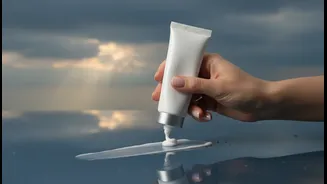
Integrating sunscreen into your routine has never been easier. For daily use in the Indian climate, dermatologists often recommend an SPF of 30 to 50 with a high UVA rating (look for PA+++ or PA++++). The key is finding a texture you love. If you have oily skin, a non-comedogenic gel or fluid formula is an excellent choice. If your skin is dry, look for a hydrating milky lotion or cream-gel. Apply it as the last step of your skincare routine, before any makeup. The “two-finger rule”—squeezing sunscreen along the length of your index and middle fingers—provides a good estimate for the amount needed for your face and neck. The most effective sunscreen is the one you'll wear consistently. By choosing a lightweight formula that feels good on your skin, you're not just buying a product; you're adopting a habit that will pay dividends for your skin health for years to come.