







A Conscious Uncoupling from Chemicals
The modern beauty shelf is overflowing with products promising miraculous results, but a closer look at the ingredient list often reveals a cocktail of parabens, sulphates, and other synthetic compounds. This has led to a widespread awakening among consumers,
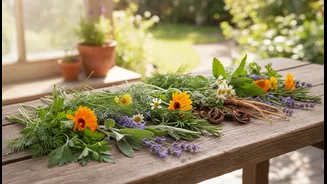
particularly millennials, who are increasingly wary of what they apply to their skin. There is a growing demand for transparency and purity, a trend encapsulated by the 'farm-to-face' movement that has gained significant traction in India. Brands championing ethically sourced, natural ingredients have cultivated a discerning customer base. This sourcing trend is the ultimate extension of that philosophy: if you can’t trust the label, why not go directly to the source yourself? It’s a powerful rejection of opaque supply chains and a hands-on pursuit of unadulterated quality.
The Pull of Ayurvedic Roots
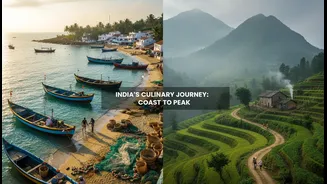
This trend is not just about avoiding chemicals; it is also a profound cultural reconnection. For generations, Ayurveda has been an integral part of Indian life, offering holistic wellness solutions derived from nature. Today, there is a renewed sense of pride and interest in this ancient wisdom. Wellness tourism in India is booming, with young professionals flocking to states like Kerala, often called the 'Land of Ayurveda,' for authentic experiences. These are not just spa holidays. Tourists are engaging in programs that teach them about medicinal plants, basic home remedies, and Ayurvedic practices they can integrate into their lives. A sourcing trip, therefore, becomes a pilgrimage of sorts—a journey to the heartland of traditional healing to learn about and gather ingredients like turmeric, sandalwood, and ashwagandha in their most potent form.
Travel as a Personal Statement
For the millennial and Gen Z traveller, a vacation is no longer just a break from work; it is an expression of identity. There is a marked shift away from passive sightseeing towards active, experiential journeys that offer personal growth and a unique story to tell. A trip to a spice garden in Thekkady or a remote village in Uttarakhand to find rare herbs fits this new travel ethos perfectly. It is an adventure that combines purpose with exploration. It also aligns with the desire for authenticity that defines modern travel. Rather than visiting an over-commercialized tourist spot, these travellers are seeking genuine connections with local communities, learning from farmers, and understanding the journey of an ingredient from soil to skin.
The Ultimate Wellness Experience
Ultimately, the rise of herbal sourcing trips is about redefining wellness. It reframes self-care not as a product you buy, but as a practice you cultivate. The entire journey—from researching the herbs and travelling to a new region, to the physical act of finding and gathering the ingredients—becomes part of a holistic ritual. It extends the concept of wellness beyond a face mask or a yoga class into a meaningful, multi-day experience. This deeper form of engagement provides a sense of accomplishment and a powerful connection to both nature and personal well-being, something a store-bought product can rarely offer.