




The Rise of the Gut-Friendly Condiment
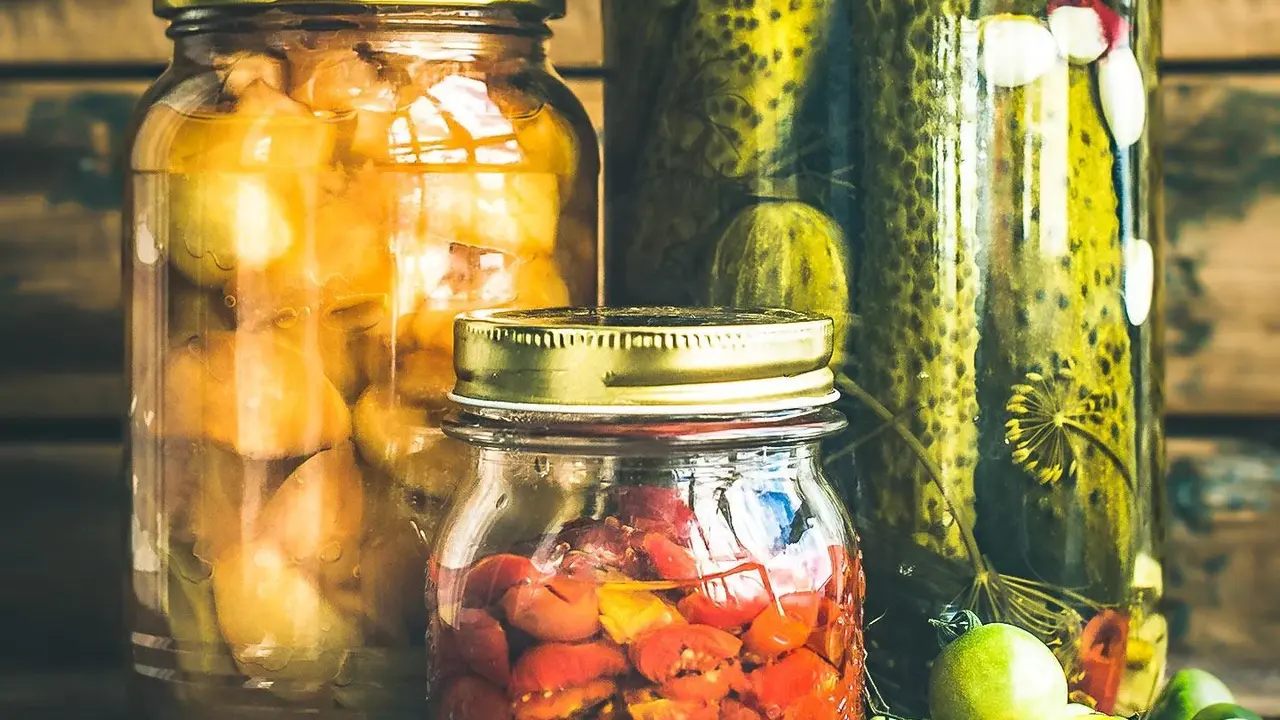
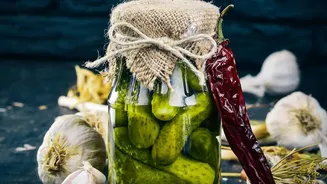
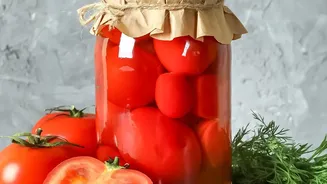
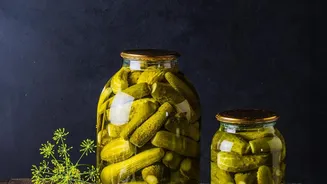
Walk through any upscale grocery store or browse an online health food marketplace, and you'll notice a colourful array of jars that look like pickles but come with a very different promise. These are lacto-fermented vegetables, often marketed as probiotic-rich
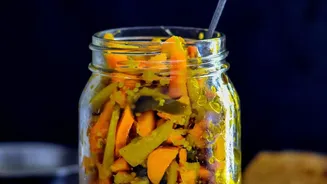
and oil-free. Unlike conventional pickles that rely heavily on oil or vinegar for preservation, these modern ferments use a process of natural fermentation with salt. This method encourages the growth of beneficial bacteria, or probiotics, which are at the heart of this trend. Examples range from the globally popular kimchi and sauerkraut to modern takes on traditional Indian preparations like Gajar Kanji (fermented carrot drink) and other brined vegetables. For a generation increasingly focused on clean labels and functional foods, these ferments represent a move away from products seen as heavy and indulgent towards something that actively contributes to well-being.
An Obsession with Gut Health
The single biggest driver behind this shift is the explosion of interest in gut health. Once a niche topic, the gut microbiome is now a mainstream wellness concern, with many young consumers understanding its connection to everything from digestion and immunity to mood and skin health. Fermented foods are natural sources of probiotics, the live microorganisms that support a healthy gut. While traditional Indian cuisine has always included fermented staples like dahi (yogurt), dosa batter, and dhokla, this new trend focuses on a different category of ferments as a daily health supplement. As awareness about lifestyle-related health issues grows in urban India, many are turning to food as a form of preventative medicine, making probiotic-rich options an easy and appealing choice.
What's Wrong with Mass-Market Pickles?
For many, the problem with commercially produced pickles isn't the taste but the ingredient list. Mass-market achaars often use large quantities of refined vegetable oils, high levels of sodium, and synthetic preservatives to ensure a long shelf life and consistent taste. The pasteurization process used in large-scale production, while effective for safety, also kills off the beneficial bacteria that would naturally occur in traditionally made pickles. Young urban consumers, who are more likely to scrutinize labels, are increasingly wary of these additives and high oil content. The move towards oil-free ferments is a direct response, prioritizing digestive ease and nutrient absorption over the heavy, oil-laden texture of many conventional pickles.
A Modern Twist on Ancient Traditions
Interestingly, this trend isn't entirely new but rather a re-discovery and rebranding of age-old Indian preservation techniques. Many households across India have traditional recipes for water-based or salt-cured pickles (like Kanji) that rely on sun-drying and natural fermentation. What's different now is the context. These preparations are no longer just seasonal homemade staples but are being positioned by artisanal brands as premium wellness products. This fusion of tradition with modern health science resonates deeply with young Indians who seek authenticity and the perceived wisdom of ancestral food practices, but presented in a convenient, contemporary format.
The Allure of Artisanal and Clean Eating
The preference for probiotic ferments is also part of a larger movement towards artisanal, small-batch, and clean-label foods. For many millennials and Gen Z consumers, food choices are an expression of identity and values. Supporting a local, artisanal brand that offers transparency about its ingredients and processes holds significant appeal. Unlike mass-produced goods, these ferments often come with a story—handcrafted, made with locally sourced produce, and free from artificial additives. In an age of information, this perceived authenticity and commitment to quality have become status symbols, making a jar of artisanal fermented beets as much a lifestyle choice as a dietary one.