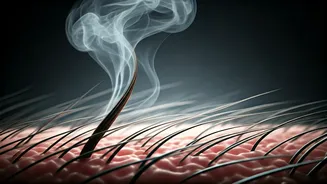









First, Understand Your Enemy: Humidity
Before we get into the 'how,' let's understand the 'why.' During the rainy season, the air is saturated with moisture. This high humidity causes the outer layer of your hair, the cuticle, to swell and open up. For dry or damaged hair, this means absorbing
excess moisture, leading to that dreaded frizz. For oily hair types, the dampness can mix with natural scalp oils, making hair feel greasy and weighed down. This environment is also a perfect breeding ground for fungal and bacterial growth, which can lead to dandruff and scalp infections. Your shampooing strategy, therefore, isn't just about cleaning; it's about rebalancing your hair and scalp against these environmental challenges.
Choose Your Shampoo Wisely
One shampoo does not fit all seasons. During the monsoon, you might need to rotate between two types. A gentle, sulphate-free clarifying shampoo used once or twice a week can effectively remove product buildup, excess oil, and pollutants without being too harsh. For your other washes, stick to a smoothing, anti-frizz shampoo that helps seal the hair cuticle. If you're prone to dandruff, which often flares up in damp weather, incorporate a targeted anti-dandruff shampoo containing ingredients like ketoconazole or zinc pyrithione into your routine. The key is to listen to your hair—if it feels greasy, clarify; if it feels frizzy and dry, nourish.
Don’t Wash It Too Often
It’s a common temptation: your hair feels sticky, so you wash it every day. This can be counterproductive. Over-washing strips your scalp of its natural oils, sending a signal to your glands to produce even more oil to compensate. This creates a vicious cycle of greasy roots and dry ends. For most people, washing your hair two to three times a week is sufficient during the monsoon. If you get caught in the rain, it's more important to rinse your hair with plain water to wash out acidic rainwater and pollutants, and then let it dry completely. A full shampoo might not be necessary every single time.
Master the Scalp-First Technique
How you apply shampoo matters more than you think. Instead of pouring it directly onto your hair, take a small amount in your palms and lather it up with a little water first. Concentrate the application on your scalp and roots, as this is where oil and dirt accumulate. Use your fingertips (not your nails!) to gently massage your scalp in circular motions for a minute or two. This not only cleanses effectively but also stimulates blood circulation, which promotes healthy hair growth. The lather that rinses down is usually enough to clean the lengths and ends of your hair without causing unnecessary dryness.
Always Condition, But Do It Right
Skipping conditioner is a major mistake, especially in a high-humidity environment. Conditioner helps to smooth and seal the hair cuticle, which is your primary defence against frizz. The trick is in the application. Never apply conditioner to your scalp, as this can weigh your hair down and contribute to oiliness. Instead, squeeze the excess water from your hair after shampooing and apply a nourishing conditioner from the mid-lengths to the ends. Let it sit for a few minutes before rinsing thoroughly, preferably with lukewarm or cool water to help lock in moisture and add shine.
The Final Step: A Proper Dry-Down
Your hair care routine doesn't end with the final rinse. Leaving your hair and scalp damp for extended periods is an open invitation for fungal infections. After washing, gently squeeze out excess water with your hands and then pat it dry with a soft microfibre towel or an old cotton t-shirt to minimise friction and frizz. Avoid vigorous rubbing at all costs. If you can, let your hair air-dry. If you must use a hairdryer, apply a heat protectant spray first and use the cool or low-heat setting. The most important rule: ensure your scalp is completely dry before tying up your hair or going to bed.